
Alexey Danilov, MD, PhD, highlights non-chemotherapy options for the treatment of mantle cell lymphoma and expands on ongoing research in hematologic malignancies.
Alexey Danilov, MD, PhD, highlights non-chemotherapy options for the treatment of mantle cell lymphoma and expands on ongoing research in hematologic malignancies.
Tycel Phillips, MD, discusses the evolution of treatment for patients with myelodysplastic syndromes, highlighting the future of this treatment paradigm.
Press Release
Preliminary data from a first-in-human phase 1 trial using a CAR T-cell therapy developed by City of Hope researchers has been published in Nature Medicine.
Sumanta Kumar Pal, MD, FASCO, discusses preliminary findings from a phase 1 dose-escalation study of DFF332 in patients with advanced ccRCC.
Amrita Krishnan, MD, discusses the characteristics and factors associated with a higher risk of early relapse for patients with multiple myeloma.
Alexey Danilov, MD, PhD, discusses the evolution of treatment for patients with mantle cell lymphoma.
Tycel Phillips, MD, discusses the evolution of treatment strategies for patients with either chronic lymphocytic leukemia or mantle cell lymphoma.
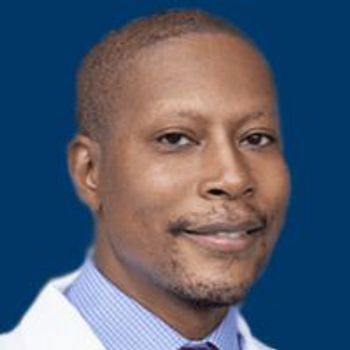
Tycel Phillips, MD, highlights key takeaways in NHL, MDS, and myelofibrosis from an OncLive State of the Science Summit on hematology.
Tycel Phillips, MD, discusses the evolution of treatment with BTK inhibitors for patients with mantle cell lymphoma.
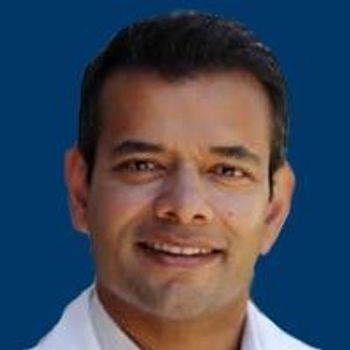
Sumanta Kumar Pal, MD, FASCO, highlights key renal cell carcinoma research presented at the 2024 ASCO Annual Meeting, including early data with DFF332.
Tycel Phillips, MD, discusses the evolution of treatment for patients with mantle cell lymphoma.
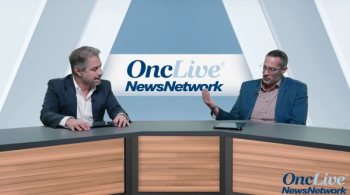
Ibrahim T. Aldoss, MD; and Elias Jabbour, MD, discuss ongoing research efforts in the treatment paradigm of Philadelphia chromosome–positive acute lymphoblastic leukemia.
Ibrahim T. Aldoss, MD; and Elias Jabbour, MD, discuss safety findings from the PHALLCON trial of ponatinib in Philadelphia chromosome–positive acute lymphoblastic leukemia.
Ibrahim T. Aldoss, MD; and Elias Jabbour, MD, discuss the efficacy with ponatinib observed in the PHALLCON trial of patients with Philadelphia chromosome–positive acute lymphoblastic leukemia.
Ibrahim T. Aldoss, MD; and Elias Jabbour, MD, discuss the impact of the FDA approval of ponatinib for the treatment of newly diagnosed patients with Philadelphia chromosome–positive acute lymphoblastic leukemia.
Ibrahim T. Aldoss, MD; and Elias Jabbour, MD, discuss current standards of care for the treatment of patients with Philadelphia chromosome–positive acute lymphoblastic leukemia.
Ibrahim T. Aldoss, MD; and Elias Jabbour, MD, discuss the prevalence and prognostic outcomes of patients with Philadelphia chromosome–positive acute lymphoblastic leukemia.
Tycel Phillips, MD, discusses updated findings from a phase 1/2 trial evaluating glofitamab in relapsed/refractory mantle cell lymphoma.
Ibrahim Aldoss, MD, discusses the impact of enhanced lymphodepletion on responses with WU-CART-007 in relapsed/refractory T-ALL/LBL.

Tycel Phillips, MD, MPH, discusses updated efficacy and safety data with glofitamab for the treatment of relapsed/refractory mantle cell lymphoma.
In case you missed any, below is a recap of every OncLive On Air episode that aired in May 2024.
The panel concludes the discussion with key takeaways on the evolving treatment landscape in HER2 non–small cell lung cancer.
Experts on HER2 NSCLC provide clinical insights on selecting between antibody-drug conjugates and TKIs, treatment sequencing, and the role of chemoimmunotherapy.
Sumanta Kumar Pal, MD, FASCO, discusses key biomarker analyses in renal cell carcinoma that will be presented at the 2024 ASCO Annual Meeting.
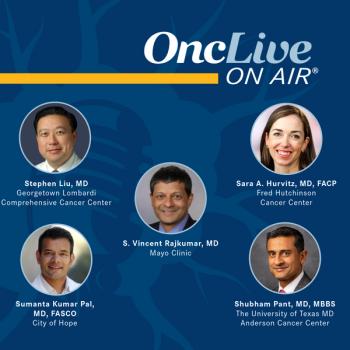
Experts from across oncology specialties discuss the abstracts and presentations they are most looking forward to seeing at the 2024 ASCO Annual Meeting.
The expert panel shares its thoughts on current challenges and unmet needs in the overall HER2-mutated non–small cell lung cancer treatment landscape.
D. Ross Camidge, MD, PhD, discusses the main adverse events seen with TKIs in patients with HER2-mutated non–small cell lung cancer.
Martin Dietrich, MD, PhD, provides an overview of the first-in-human study of BAY2927088, a novel TKI, in patients with advanced HER2-mutated non–small cell lung cancer.
The panel offers comprehensive insights on the Beamion LUNG-1 clinical trial, which is investigating zongertinib in patients with advanced HER2-mutated non–small cell lung cancer.
Maurie Markman, MD, expands on the debate regarding the appropriate primary outcome end point for improved clinical benefit in a trial.