
Marco Davila, MD, PhD, discusses emerging strategies to overcome resistance to CD19-directed CAR T-cell therapy in aggressive large B-cell lymphoma.
Marco Davila, MD, PhD, discusses emerging strategies to overcome resistance to CD19-directed CAR T-cell therapy in aggressive large B-cell lymphoma.
Francisco J. Hernandez-Ilizaliturri, MD, discusses findings from a study investigating immunologic changes in patients with CLL treated with venetoclax.
Marco Davila, MD, PhD, explains the role of intrinsic tumor drivers in CD19 CAR T-cell therapy resistance in aggressive large B-cell lymphoma.
Laboratory research led by Anna Bianchi-Smiraglia, PhD, reveals therapeutic target in metabolic enzyme IMPDH2.
Data published in Oncogene suggest that the mitochondrial unfolded protein response could be an Achilles’ heel for neuroendocrine prostate cancer.
A preclinical study showed gilteritinib can strengthen CAR T-cell therapy in two high-risk pediatric leukemias.
Sessions at San Antonio Breast Cancer Symposium address exercise, cannabis, sexual health, plus insights on treatment.
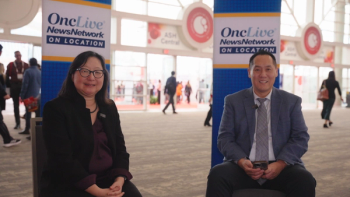
Eunice Wang, MD, of Roswell Park Comprehensive Cancer Center, sits down with Chandler Park, MD, FACP, to discuss the latest in acute myeloid leukemia from the 2024 ASH Annual Meeting.
Roswell Park CEO Candace S. Johnson, PhD, introduces center’s first Physician in Chief, leaders in strategic areas
A treatment approach developed at Roswell Park Comprehensive Cancer Center has shown promising results in a phase 1 clinical trial for patients with TNBC.
More than a dozen teams to share advances in blood cancer treatment and research innovations at the 2024 ASH Annual Meeting.
Nurse-executive and partnership manager honored for dedication to local heroes.
Matthew Cortese, MD, MPH, details 2024/2025 updates to the NCCN guidelines for CLL/SLL and treatments to look forward to in the future.
A Roswell Park study reveals the evolutionary stability of the naked mole-rat’s genome, and implications for drug development.
Study featured at ASTRO 2024 is one of the first to assess single-fraction SBRT for centrally located lung cancers
Francisco Hernandez-Ilizaliturri, MD, discusses factors that inform the selection of CAR T-cell therapies for patients with follicular lymphoma.
Press Release
Roswell Park’s Dr. Eunice Wang led KOMET-001 clinical trial; results newly reported in The Lancet Oncology.
Press Release
Black patients and older adults are least likely to undergo this treatment for blood cancers and hematologic disorders.
Philip McCarthy, MD, discusses a study of neutrophil gene signatures within focal lesions that are linked to progression-free survival in multiple myeloma.
Third year in a row cancer center has been ranked on this listing, based on employee surveys.
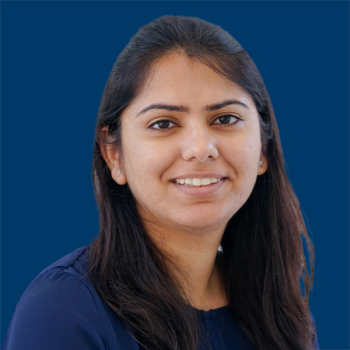
Shipra Gandhi, MD, discusses the evolution of CDK4/6 inhibitors and ADCs across breast cancer subtypes.
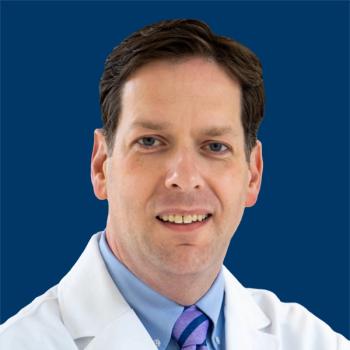
A study demonstrates that adding a JAK2 inhibitor to standard immunosuppressive drugs does not improve prevention of acute graft-versus-host disease.
Shipra Gandhi, MD, highlights findings with oral SERDs in HR-positive breast cancer and options to consider after progression on CDK4/6 inhibitors.
Francisco Hernandez-Ilizaliturri, MD, discusses the use of CAR T-cell therapy in patients with relapsed/refractory multiple myeloma.
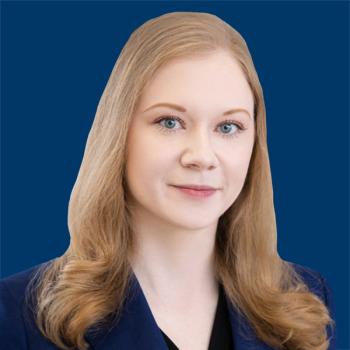
A study led by experts at Roswell Park Comprehensive Cancer Center suggests that e-cigarette use may help some people quit using combustible cigarettes.
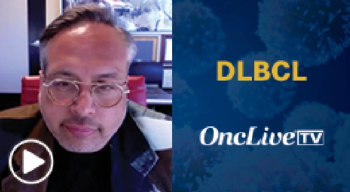
Francisco Hernandez-Ilizaliturri, MD, discusses deciding between CAR T-cell therapies or approved bispecific antibodies for diffuse large B-cell lymphoma.
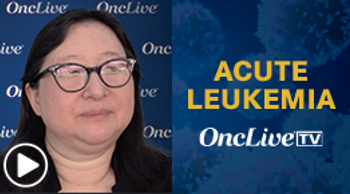
Eunice Wang, MD, discusses ongoing research with menin inhibitors in patients with acute leukemias, as presented at the 2024 EHA Congress.
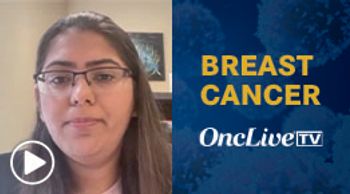
Shipra Gandhi, MD, discusses considerations for continuing with a CDK4/6 inhibitor or switching therapies in HER2- negative advanced breast cancer.
The FDA has expanded the orphan drug designation for SurVaxM, a brain cancer immunotherapy developed at Roswell Park Comprehensive Cancer Center.