

Roswell Park Comprehensive Cancer Center has promoted 3 nurses to leadership roles and new leaders were named in Case Management and Patient Education.
Roswell Park Comprehensive Cancer Center has promoted 3 nurses to leadership roles and new leaders were named in Case Management and Patient Education.
Francisco Hernandez-Ilizaliturri, MD, discusses selection and sequencing considerations for bispecific antibodies and CAR T-cell therapies in DLBCL.

Pamela J Sung, MD, PhD, details differentiation therapy in acute myeloid leukemia, focusing on newer targets and preclinical evidence for a novel FLT3 combination.
Press Release
Research team shares new data on how XPO1 blockade may boost immune-based treatments.
Using multiomics, the team identifies novel therapeutic targets in castration-resistant prostate cancer.
Roswell Park Comprehensive Cancer Center earns maximum rating, marking five decades of consecutive NCI support.
Roswell Park researchers and partners shed light on how body composition at the time of diagnosis relates to mortality in epithelial ovarian cancer.
To improve access to lung cancer screening, Roswell Park Comprehensive Cancer Center experts have launched an online provider registry.
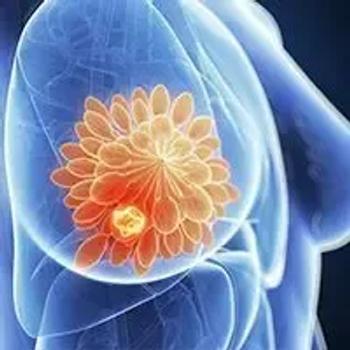
Data from a large prospective cohort study reveal that a polygenic risk score has the potential to predict survival outcomes in patients with breast cancer.

Press Release
Sai Yendamuri, MD, MBA, FACS, has been appointed as Chief Strategy Officer and Senior Vice President of Business Development and Outreach.

Press Release
Roswell Park Comprehensive Cancer Center earned top score of 100 on Human Rights Campaign Foundation survey.

Press Release
A Roswell Park-led team uncovers beneficial effects of combining VEGFR-targeting TKIs with checkpoint inhibitors in new research.
Investigators hypothesized that testosterone replacement does not have a negative impact on the oncologic outcomes of treatment-naive patients with prostate cancer on surveillance and they performed a retrospective review of an institutional active surveillance prostate cancer database.
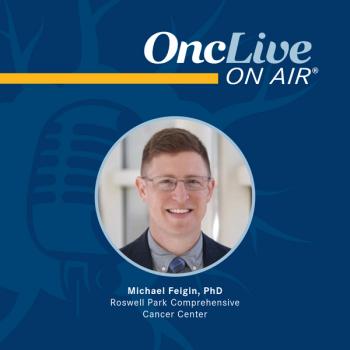
Dr Feigin discusses findings from a study on the varying effects of the benzodiazepines lorazepam and alprazolam on progression-free survival outcomes for patients with pancreatic cancer.

Jens Hillengass, MD, PhD, discusses the rationale for investigating exercise and its effect on functional performance in multiple myeloma, and highlights the methods utilized in this study.
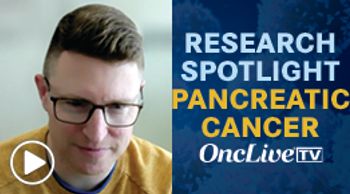
Michael Feigin, PhD, discusses data from a retrospective study investigating the association between benzodiazepines and survival outcomes in patients with pancreatic cancer.
In a 14-to-6 vote, the FDA’s Oncologic Drugs Advisory Committee voted sufficient evidence has been provided to demonstrate the event-free survival benefit of eflornithine to reduce the risk of relapse in pediatric patients with high-risk neuroblastoma.
Exercises such as resistance training and walking were safe and effective interventions that were associated with improved frailty scores in patients with multiple myeloma receiving systemic treatment.
The benzodiazepines lorazepam and alprazolam had differing effects on progression-free survival (PFS) outcomes among patients with pancreatic cancer, with lorazepam demonstrating an association with decreased PFS and alprazolam prolonging PFS.

Addressing socioeconomic health disparities has been a crucial objective of health policy in the United States. The relationship between cancer incidence and mortality and socioeconomic status varies across malignancies.

Eunice Wang, MD, discusses how the continued development of targeted therapies could improve the future treatment paradigm in acute myeloid leukemia.
Eunice Wang, MD, discusses treatment options in unfit patients with acute myeloid leukemia.
Eunice Wang, MD, discusses the current standards for classifying and treating unfit patients with AML, treatment considerations for patients unfit for hypomethylating agents, and the potential role of investigational menin inhibitors and immunotherapies in this population.
Christos Fountzilas, MD, FACP, discusses findings from a study of molecular characterization in patients with colorectal cancer treated with cetuximab, an EGFR inhibitor, and pembrolizumab, a PD-1 inhibitor.

Novel treatment options are needed in neuroendocrine tumors, and advances in immunotherapy have not been optimized in this population.

Arya Mariam Roy, MBBS, discusses the effect of neoadjuvant chemotherapy on overall survival in patients with sarcomatoid muscle-invasive bladder cancer.

Although the incidence, location, and histology of esophageal cancer vary globally, patients in the Western World typically develop esophageal cancer in the distal esophagus or at the gastroesophageal junction.

Eunice Wang, MD, discusses the utility of minimal residual disease testing in hematologic malignancies and challenges associated with expanding its role in clinical practice for acute myeloid leukemia.
Dr Dy discusses the development of CEACAM5-directed antibody-drug conjugates in non–small cell lung cancer, ongoing research with tusamitamab ravtansine, and the potential role of competing docetaxel-based combination strategies in the second-line setting.
Eunice Wang, MD, highlights the mechanism of action of E-selectin inhibitors and speaks on the safety profile and efficacy of uproleselan in patients with acute myeloid leukemia.