
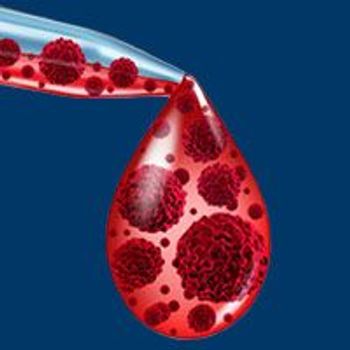
Benjamin P. Levy, MD; Bhuvana Ramkumar, MD; and Neil Morganstein, MD, discuss the challenges with tissue testing facing care teams, as well as multilevel hurdles in procurement, analysis of results, and insurance.
Benjamin P. Levy, MD; Bhuvana Ramkumar, MD; and Neil Morganstein, MD, discuss the challenges with tissue testing facing care teams, as well as multilevel hurdles in procurement, analysis of results, and insurance.
Early experience with a newly designed pancreatic cancer multidisciplinary clinic workflow at Roswell Park Comprehensive Cancer Center in Buffalo, New York, showed significant improvement in terms of time to subspecialty evaluation.
Press Release
A targeted therapy for children with high-risk Hodgkin lymphoma was shown to significantly reduce relapse rates when tested in a clinical trial conducted by the Children’s Oncology Group and led by pediatric oncologists at Roswell Park Comprehensive Cancer Center, Children’s Healthcare of Atlanta and Winship Cancer Institute of Emory University.
Courtney DiNardo, MD, MSCE; Eunice Wang, MD; and Jessica Altman, MD, discuss the scientific achievements they have witnessed in the field of leukemia and their hopes for the future of treating this disease.
Courtney DiNardo, MD, MSCE; Eunice Wang, MD; and Jessica Altman, MD, discuss how they turned career obstacles into opportunities and what they have learned from being women in the leukemia field.
Courtney DiNardo, MD, MSCE; Eunice Wang, MD; and Jessica Altman, MD, discuss the importance of strong mentorship relationships and the unique growth opportunities they found at different points of their careers.
Courtney DiNardo, MD, MSCE; Eunice Wang, MD; and Jessica Altman, MD, discuss the toughest challenges they faced in the leukemia field at the start of their fellowships and careers.
Drs DiNardo, Wang, and Altman discuss the challenges they faced in their early careers, the rollout of molecular profiling and targeted therapy in the early 2000s, and their growth from protégés to mentors.
Dr Brentjens discussed targeting the “enigmatic” GPRC5D protein, safety results with MCARH109, and the appropriate sequencing for the agent.
Smoking is associated with the most widely known cancer causing carcinogen across the world. However, a second, more insidious factor has been increasingly recognized for its role in promoting cancer growth: obesity.
MCARH109, a CAR T-cell therapy targeting the “enigmatic” GPRC5D antigen, generated remissions in 70.6% of patients with relapsed/refractory multiple myeloma.
Press Release
Study establishes rationale for combination approaches targeting multiple proteins — therapy produces responses in 70% of study participants, including those who who relapsed after prior CAR T therapy.
Eunice Wang, MD, discusses the long-term results of a phase 2 trial investigating crenolanib plus chemotherapy in adult patients with newly diagnosed FLT3-mutant acute myeloid leukemia.
Igor Puzanov, MD, MSCI, FACP, discusses the adverse effects associated with immunotherapy and how to manage them.
Ciltacabtagene autoleucel generated deep responses and demonstrated manageable safety in patients with progressive multiple myeloma who were refractory to lenalidomide.
Sotorasib demonstrated an overall survival rate of 32.5% at 2 years in patients with KRAS G12C–mutant non–small cell lung cancer, according to longer follow-up data from the phase 1/2 CodeBreaK 100 trial.
The utilization of monoclonal antibodies such as nivolumab and Ipilimumab have become vital in shifting the treatment paradigm in gastroesophageal and gastrointestinal cancers.
Dhyan Chandra, PhD, discusses recent findings relating to low levels of cytochrome C in Black men with prostate cancer, plus plans for future research on this topic.
Anna Woloszynska, PhD, discusses the role of community outreach in addressing disparities in prostate cancer.
Dhyan Chandra, PhD, discusses the need for resources to evaluate racial disparities in prostate cancer.
Neoadjuvant chemosensitivity was associated with an improvement in overall survival following adjuvant chemotherapy in patients with resectable gastric cancer, according to findings from a cohort study that were published in JAMA Network Open.
Anna Woloszynska, PhD, discusses continued research efforts investigating racial disparities in prostate cancer.
The combination of tivozanib and durvalumab showcased early efficacy with a manageable safety profile in patients with previously untreated advanced hepatocellular carcinoma.
Nathaniel Ivanick, MD, FCCP, explains advancements in the use of robotic navigational bronchoscopy for the diagnosis of early-stage lung cancer.
Dhyan Chandra, PhD, discusses evaluating biological differences between African American and Caucasian men with prostate cancer.
Dhyan Chandra, PhD, discusses the potential to assess mitochondrial function to inform outcomes in prostate cancer.
Anna Woloszynska, PhD, discusses the need to assess biological factors of racial disparities in prostate cancer.
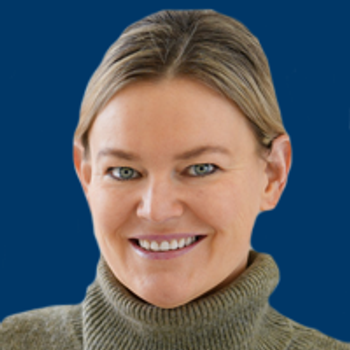
New grants from the U.S. Department of Defense and American Cancer Society will fund work by two Roswell Park Comprehensive Cancer Center teams focused on understanding and eliminating prostate cancer health disparities.
Nathaniel Ivanick, MD, FCCP, discusses the evolution of interventional pulmonology, the benefits of robotic navigational bronchoscopy and other novel technologies in the field, and ongoing research that could further push the paradigm forward.
Nathaniel Ivanick, MD, FCCP, discusses the role of interventional pulmonologists in advanced diagnostics in lung cancer.