
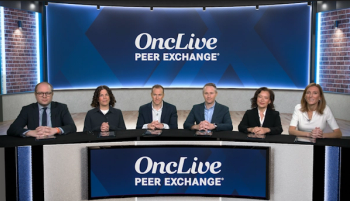
This segment provides final reflections, highlighting how rapidly the AML treatment landscape is advancing and emphasizing the themes that will shape the next decade of care.
This segment provides final reflections, highlighting how rapidly the AML treatment landscape is advancing and emphasizing the themes that will shape the next decade of care.
This discussion provides a comprehensive synthesis of how the PARADIGM study and related work may reshape frontline AML treatment, while emphasizing that intensive chemotherapy will remain necessary for certain biologically defined groups.
This segment returns to the topic of the PARADIGM study, focusing on how its findings influence treatment choices, particularly in AML with MDS-related changes or secondary-type mutations.
The experts explore how AML therapy has entered a transformation driven by expanded biological understanding, increased therapeutic diversity, and improved precision.
This segment centers on MRD as a pivotal tool for guiding therapy in AML. The panel discusses how MRD, once an investigational concept, is rapidly becoming central to treatment planning, particularly as outcomes improve with targeted agents and combination regimens.
This segment shifts toward the broader excitement in AML therapeutics beyond induction paradigms, focusing on emerging triplet strategies, fully oral regimens, and longer-term survival improvements demonstrated in recent clinical trials.
This segment describes a foundational point in AML management: despite rapid advancements in lower-intensity therapies, intensive chemotherapy remains essential for certain biologically favorable AML subsets.
A critical question is when in the treatment timeline therapeutic intensification should occur: during induction or post-remission.
The experts discuss application of mutation-driven treatment approaches to younger, fit patients with AML and clarify where current low-intensity paradigms do and do not apply.
This segment discusses the promise of triplet regimens and how emerging data may reshape AML induction in select populations.
Segment 5 explores more deeply the clinical implications of CP-based regimens and how they compare with venetoclax-based therapy when preparing patients with AML for allogeneic transplant. The
Segment 4 examines how clinicians navigate transplant eligibility and early treatment choices in AML, particularly during the first days of diagnosis when critical decisions must be made without complete molecular information.
The experts explore how clinicians personalize induction therapy in AML by assessing patient fitness, biological risk factors, and early treatment response.
This segment concludes by acknowledging ongoing research efforts aimed at refining venetoclax use, such as optimizing duration, identifying predictive biomarkers, and integrating the drug with targeted therapies, to further improve outcomes while minimizing toxicity.
Throughout this segment, the panel frames the broader conversation: AML therapy is becoming more nuanced and personalized, but clinicians must navigate increasingly complex decision-making.

Courtney DiNardo, MD, MSCE; Eunice Wang, MD; and Jessica Altman, MD, discuss the scientific achievements they have witnessed in the field of leukemia and their hopes for the future of treating this disease.

Courtney DiNardo, MD, MSCE; Eunice Wang, MD; and Jessica Altman, MD, discuss how they turned career obstacles into opportunities and what they have learned from being women in the leukemia field.
Courtney DiNardo, MD, MSCE; Eunice Wang, MD; and Jessica Altman, MD, discuss the importance of strong mentorship relationships and the unique growth opportunities they found at different points of their careers.

Courtney DiNardo, MD, MSCE; Eunice Wang, MD; and Jessica Altman, MD, discuss the toughest challenges they faced in the leukemia field at the start of their fellowships and careers.