
Opinion|Videos|February 2, 2026
Redefining AML Treatment: Integrating Biology, Fitness, and Expanding Targeted Options
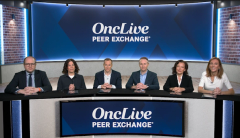
The experts explore how AML therapy has entered a transformation driven by expanded biological understanding, increased therapeutic diversity, and improved precision.
Advertisement
Episodes in this series
The experts explore how AML therapy has entered a transformation driven by expanded biological understanding, increased therapeutic diversity, and improved precision. The panel reflects on how the field is shifting away from one-size-fits-all strategies toward a more nuanced alignment of patient fitness, disease mutation profile, and response trajectory. With new targeted agents and combination regimens, clinicians can optimize therapy not solely by age or performance status but by matching the biology of the disease to the mechanism of action of available drugs.
Central in this discussion is the evolving role of venetoclax-based therapy and its integration with targeted agents, including inhibitors of IDH, menin, and FLT3. The panel describes an emerging paradigm where older or unfit patients receive sophisticated combinations rather than single-agent low-intensity regimens. Meanwhile, fit patients may also benefit from triplets or mutation-driven regimens that blend intensive and targeted strategies, reflecting the field’s increasing ability to personalize therapy.
The segment also reinforces that dynamic reassessment must occur throughout treatment. The speakers highlight how clonal evolution can introduce new mutations mid-treatment, opening opportunities to add targeted agents and salvage strategies. Examples include patients developing new FLT3-ITD or IDH1/2 mutations, leading to meaningful therapeutic pivots.
They additionally emphasize the importance of monitoring treatment tolerance and marrow recovery, adjusting regimens based not just on protocol but on real-time biological feedback. The panel reiterates that MRD-guided interventions will likely expand in future years, supported by improved assays for KMT2A and other mutations.
Ultimately, this segment underscores an AML landscape in rapid evolution: one where biologically precise, patient-adapted approaches replace rigid treatment algorithms, and where ongoing reassessment is key to maximizing survival and minimizing toxicity.
Advertisement
Related to this article

The FDA approved pirtobrutinib for untreated chronic lymphocytic leukemia, granted priority review to elinzanetant for breast cancer hot flashes, and more.

The 2026 amendment adds 40 new recommendations, including active surveillance, office-based treatment, and chemoablation for select recurrent low-grade disease.

The FDA has approved pirtobrutinib for the treatment of adult patients with previously untreated CLL or SLL harboring no known 17p deletion.

By finding a way to attack the most important human oncogene, KRAS, the UCSF chemical biologist launched a new era in cancer treatment.

TRE-515 earned fast track status in combination with KRAS inhibitors for G12C-mutated NSCLC after anti–PD-(L)1 therapy and platinum-based chemotherapy.

An NDA for zipalertinib in EGFR exon 20 insertion–positive NSCLC is being supported by phase 3 REZILIENT3 data.

Did you catch all of this week's top oncology news? Test your knowledge with OncLive's Weekly News Quiz.
Aglatimagene besadenovec plus EBRT was linked to a 41% lower risk of prostate cancer recurrence or death, alongside durable immune activity.
Advertisement
Advertisement
Trending on OncLive
1
FDA Approves Pirtobrutinib for Previously Untreated CLL/SLL
2
FDA Grants Fast Track Designation to TRE-515 Plus KRAS Inhibitors in Pretreated KRAS G12C+ NSCLC
3
NDA Submission Is Initiated for Zipalertinib Plus Chemotherapy in Frontline EGFR Exon 20 Insertion+ NSCLC
4
Oral Azacitidine and Cedazuridine Meets Primary Pharmacokinetic End Point in MDS and CMML
5