
Opinion|Videos|January 5, 2026
Transplant Eligibility, Post-Induction Decisions, and Real-World Complexity
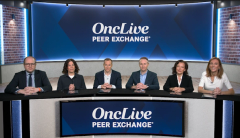
Segment 4 examines how clinicians navigate transplant eligibility and early treatment choices in AML, particularly during the first days of diagnosis when critical decisions must be made without complete molecular information.
Advertisement
Episodes in this series
Segment 4 examines how clinicians navigate transplant eligibility and early treatment choices in AML, particularly during the first days of diagnosis when critical decisions must be made without complete molecular information. The panel discusses the frequent dilemma: patients often require treatment initiation before next-generation sequencing or donor identification is available. This uncertainty complicates the decision between intensive induction and lower-intensity regimens. They emphasize the need for rapid turnaround testing, though many centers still wait weeks to receive full molecular data, making early treatment choices dependent on clinical stability and disease urgency rather than precise risk stratification.
The speakers debate whether prioritizing less intensive approaches risks sacrificing long-term outcomes for some patients—particularly younger, potentially transplant-eligible individuals with biologically aggressive disease. They note that although venetoclax-based regimens have shown strong remission rates and tolerability, the long-term survival after allogeneic transplant may differ from outcomes achieved following more intensive induction, especially in select molecular subsets.
A central focus is the recently discussed retrospective Hopkins analysis comparing post-transplant outcomes between patients receiving venetoclax-based therapy versus intensive chemotherapy. Although the data looked encouraging for venetoclax as a transplant bridge, the panel acknowledges its limitations, including lack of randomization and potential selection biases. They contrast this with other emerging data, such as results from CPX-351 and broader CP regimens, showing impressive long-term transplant survival in certain AML/myelodysplastic syndrome (MDS)-related cases, raising questions about whether less intensive approaches can fully replicate these outcomes.
Despite the uncertainties, the clinicians note that in real practice, they must choose a regimen for the patient in front of them. Considering available evidence, many would still favor venetoclax-based therapy for stable, transplant-eligible patients with AML when mutation profiles suggest potential benefit, especially those with secondary-type mutations. This segment highlights the tension between evolving low-intensity strategies and the enduring need to ensure optimal transplant-related long-term survival.
Advertisement
Related to this article
A pilot study represents a milestone toward testing a faster, more powerful, and potentially less-toxic form of radiation therapy for cancer treatment.
Oral azacitidine and cedazuridine met the end point of total cycle azacitidine exposure vs subcutaneous azacitidine in MDS or CMML.
UTRxMYCN M1-14 received orphan drug status for soft tissue sarcoma and RPDD for rhabdomyosarcoma.

Interim data showed that the BCMA-directed CAR T-cell therapy NXC-201 generated complete responses in relapsed/refractory AL amyloidosis.

Estelamari Rodriguez, MD, MPH, discusses the rationale, design, and practice implications of the phase 3 RELATIVITY-1093 trial in nonsquamous NSCLC.

Experts spotlight the variety of breast cancer research being presented at the 2026 ESMO Congress.

The third BLA submission for tabelecleucel follows 2 CRLs and includes updated ALLELE data with additional patients and longer follow-up.

A New England Journal of Medicine report describes complete hepatoblastoma regression in a 3-year-old treated with a novel immunotherapy.
Advertisement
Advertisement
Trending on OncLive
1
FDA Grants Fast Track Designation to Plinabulin Plus Docetaxel in Post-ICI Non-Squamous NSCLC
2
Breast Cancer Experts Highlight Abstracts to Watch at ESMO 2026
3
Navigating DLL3-Targeting T-Cell Engagers and the Evolving Small Cell Lung Cancer Treatment Landscape
4
FDA Approves Denosumab Biosimilar for Skeletal-Related Events, GCTB, and Hypercalcemia of Malignancy
5