
Opinion|Videos|January 5, 2026
Navigating Fitness, Induction Choices, and Early Bone Marrow Assessment
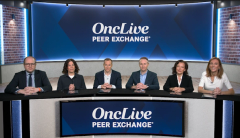
The experts explore how clinicians personalize induction therapy in AML by assessing patient fitness, biological risk factors, and early treatment response.
Advertisement
Episodes in this series
The experts explore how clinicians personalize induction therapy in AML by assessing patient fitness, biological risk factors, and early treatment response. The panel emphasizes that distinguishing between fit and unfit patients is no longer binary; instead, decisions increasingly incorporate individualized considerations such as cardiac function, functional status, cytopenia tolerance, comorbidity burden, and personal patient goals. The experts explain that although intensive induction regimens such as 7+3 remain appropriate for biologically favorable younger patients, many older adults or those with high-risk features may derive greater benefit from lower-intensity regimens, particularly those incorporating venetoclax or targeted agents.
A recurring theme is the importance of early bone marrow evaluation, typically around days 14 to 21, to determine whether cytopenias reflect therapeutic response versus resistant disease. Because venetoclax regimens can induce profound aplasia even in responders, marrow assessment guides decisions regarding when to resume therapy, how long to extend cycle intervals, and whether treatment modification is necessary. The panel notes that relying solely on peripheral blood counts can be misleading, increasing the risk of overtreatment or excessive delay.
The experts also discuss how patient-specific disease biology influences induction strategy. For example, those with NPM1 mutations, IDH1/2 mutations, or other targetable lesions may benefit from tailored regimens that integrate targeted therapies earlier in the course of treatment. In contrast, patients with particularly aggressive molecular features may require more intensive upfront approaches or accelerated transitions to transplant.
The panel highlights the growing complexity of therapeutic decision-making. Although an expanding therapeutic toolbox has improved outcomes, clinicians must balance efficacy, tolerability, and logistics when selecting the optimal induction approach. Ultimately, the goal is to use biological and clinical information synergistically to maximize each patient’s chance of remission and long-term survival.
Advertisement
Related to this article

A pilot study represents a milestone toward testing a faster, more powerful, and potentially less-toxic form of radiation therapy for cancer treatment.
Oral azacitidine and cedazuridine met the end point of total cycle azacitidine exposure vs subcutaneous azacitidine in MDS or CMML.
UTRxMYCN M1-14 received orphan drug status for soft tissue sarcoma and RPDD for rhabdomyosarcoma.
Interim data showed that the BCMA-directed CAR T-cell therapy NXC-201 generated complete responses in relapsed/refractory AL amyloidosis.
Estelamari Rodriguez, MD, MPH, discusses the rationale, design, and practice implications of the phase 3 RELATIVITY-1093 trial in nonsquamous NSCLC.
Experts spotlight the variety of breast cancer research being presented at the 2026 ESMO Congress.

The third BLA submission for tabelecleucel follows 2 CRLs and includes updated ALLELE data with additional patients and longer follow-up.
A New England Journal of Medicine report describes complete hepatoblastoma regression in a 3-year-old treated with a novel immunotherapy.
Advertisement
Advertisement
Trending on OncLive
1
FDA Grants Fast Track Designation to Plinabulin Plus Docetaxel in Post-ICI Non-Squamous NSCLC
2
Breast Cancer Experts Highlight Abstracts to Watch at ESMO 2026
3
Navigating DLL3-Targeting T-Cell Engagers and the Evolving Small Cell Lung Cancer Treatment Landscape
4
FDA Approves Denosumab Biosimilar for Skeletal-Related Events, GCTB, and Hypercalcemia of Malignancy
5