
Opinion|Videos|February 16, 2026
Closing Perspectives: Triplets, Oral Therapy, MRD Evolution, and the Future of AML Care
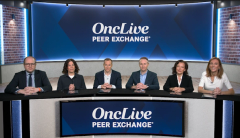
This segment provides final reflections, highlighting how rapidly the AML treatment landscape is advancing and emphasizing the themes that will shape the next decade of care.
Advertisement
Episodes in this series
This segment provides final reflections, highlighting how rapidly the AML treatment landscape is advancing and emphasizing the themes that will shape the next decade of care. The conversation revisits the excitement surrounding triplet therapies, which are producing outstanding response rates, particularly combinations involving menin inhibitors, FLT3 inhibitors, IDH inhibitors, and venetoclax-based backbones. Clinicians underscore that optimizing dosing, adjusting schedules, and individualizing therapy are critical to maximizing efficacy while preserving tolerability. They point to the MD Anderson experience as a model for balancing intensity and safety in triplet administration.
The panel also reiterates the growing importance of all-oral regimens, such as oral HMAs combined with targeted inhibitors, which may reduce treatment burden and improve patient quality of life. Early data show strong responses and promising survival, signaling a shift toward more flexible outpatient-based care.
MRD continues to surface as a foundational future tool. The panel highlights emerging MRD assays, particularly new tests for KMT2A-rearranged AML, that exhibit unprecedented sensitivity. As MRD methodology matures, adaptive therapy based on biological response rather than tolerability or protocol-driven schedules is expected to become standard practice.
While recognizing these innovations, the clinicians emphasize the need to remain grounded in evidence. Intensive chemotherapy is not obsolete, especially for mutation-defined favorable-risk AML. Until randomized trials validate less intensive approaches as curative, established regimens remain crucial.
The closing remarks emphasize optimism: AML treatment is changing profoundly, with new tools, deeper remissions, and more personalized strategies reshaping patient outcomes.
Advertisement
Related to this article
A pilot study represents a milestone toward testing a faster, more powerful, and potentially less-toxic form of radiation therapy for cancer treatment.
Oral azacitidine and cedazuridine met the end point of total cycle azacitidine exposure vs subcutaneous azacitidine in MDS or CMML.
UTRxMYCN M1-14 received orphan drug status for soft tissue sarcoma and RPDD for rhabdomyosarcoma.
Interim data showed that the BCMA-directed CAR T-cell therapy NXC-201 generated complete responses in relapsed/refractory AL amyloidosis.

Estelamari Rodriguez, MD, MPH, discusses the rationale, design, and practice implications of the phase 3 RELATIVITY-1093 trial in nonsquamous NSCLC.
Experts spotlight the variety of breast cancer research being presented at the 2026 ESMO Congress.

The third BLA submission for tabelecleucel follows 2 CRLs and includes updated ALLELE data with additional patients and longer follow-up.

A New England Journal of Medicine report describes complete hepatoblastoma regression in a 3-year-old treated with a novel immunotherapy.
Advertisement
Advertisement
Trending on OncLive
1
FDA Grants Fast Track Designation to Plinabulin Plus Docetaxel in Post-ICI Non-Squamous NSCLC
2
Breast Cancer Experts Highlight Abstracts to Watch at ESMO 2026
3
Navigating DLL3-Targeting T-Cell Engagers and the Evolving Small Cell Lung Cancer Treatment Landscape
4
FDA Approves Denosumab Biosimilar for Skeletal-Related Events, GCTB, and Hypercalcemia of Malignancy
5