
Opinion|Videos|February 9, 2026
Expanding Role of Low-Intensity Frontline Therapy for AML and Limitations for Mutation Subsets
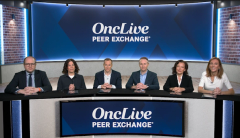
This discussion provides a comprehensive synthesis of how the PARADIGM study and related work may reshape frontline AML treatment, while emphasizing that intensive chemotherapy will remain necessary for certain biologically defined groups.
Advertisement
Episodes in this series
This discussion provides a comprehensive synthesis of how the PARADIGM study and related work may reshape frontline AML treatment, while emphasizing that intensive chemotherapy will remain necessary for certain biologically defined groups. The panel acknowledges that PARADIGM is generating significant enthusiasm by demonstrating that azacitidine–venetoclax can provide robust remission outcomes in selected newly diagnosed patients with AML, potentially expanding its frontline role into younger and fitter populations.
However, the experts stress that these findings cannot be universally applied. FLT3-mutated AML remains a clear domain where intensive therapy paired with FLT3 inhibitors provides the strongest evidence-based outcomes. Similarly, KMT2A-rearranged leukemia, NPM1-mutated AML, and CBF leukemias were not part of PARADIGM and require distinct therapeutic strategies. The panel reiterates that mutation biology rather than age alone remains the primary determinant of optimal induction intensity.
The discussion then broadens to the future role of triplet regimens. As venetoclax-based therapies demonstrate excellent tolerability and low early mortality, the possibility of safely adding a third agent has become increasingly compelling. Younger patients, with greater physiological reserve, may be ideal candidates for early adoption of triplets, particularly where targeted agents can be matched to a driver mutation. The panel anticipates that future studies may compare intensive chemo-based triplets with venetoclax-based triplets, a sign of how rapidly the field is evolving.
Despite this momentum, the clinicians emphasize that core principles remain unchanged: curative-intent therapy must not be compromised. Intensive chemotherapy is still the proven standard for CBF AML, NPM1/normal karyotype AML, and some younger patients with proliferative disease.
The modern AML landscape is one of expanding possibilities but persistent nuance, an environment where molecular detail and patient-specific considerations drive optimal frontline treatment.
Advertisement
Related to this article
A pilot study represents a milestone toward testing a faster, more powerful, and potentially less-toxic form of radiation therapy for cancer treatment.
Oral azacitidine and cedazuridine met the end point of total cycle azacitidine exposure vs subcutaneous azacitidine in MDS or CMML.
UTRxMYCN M1-14 received orphan drug status for soft tissue sarcoma and RPDD for rhabdomyosarcoma.
Interim data showed that the BCMA-directed CAR T-cell therapy NXC-201 generated complete responses in relapsed/refractory AL amyloidosis.

Estelamari Rodriguez, MD, MPH, discusses the rationale, design, and practice implications of the phase 3 RELATIVITY-1093 trial in nonsquamous NSCLC.

Experts spotlight the variety of breast cancer research being presented at the 2026 ESMO Congress.

The third BLA submission for tabelecleucel follows 2 CRLs and includes updated ALLELE data with additional patients and longer follow-up.
A New England Journal of Medicine report describes complete hepatoblastoma regression in a 3-year-old treated with a novel immunotherapy.
Advertisement
Advertisement
Trending on OncLive
1
FDA Grants Fast Track Designation to Plinabulin Plus Docetaxel in Post-ICI Non-Squamous NSCLC
2
Breast Cancer Experts Highlight Abstracts to Watch at ESMO 2026
3
Navigating DLL3-Targeting T-Cell Engagers and the Evolving Small Cell Lung Cancer Treatment Landscape
4
FDA Approves Denosumab Biosimilar for Skeletal-Related Events, GCTB, and Hypercalcemia of Malignancy
5