
Opinion|Videos|February 9, 2026
Paradigm Data Interpretation, Transplant Considerations, and Long-Term Outcomes in AML
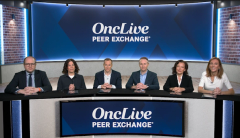
This segment returns to the topic of the PARADIGM study, focusing on how its findings influence treatment choices, particularly in AML with MDS-related changes or secondary-type mutations.
Advertisement
Episodes in this series
This segment returns to the topic of the PARADIGM study, focusing on how its findings influence treatment choices, particularly in AML with MDS-related changes or secondary-type mutations. The panel begins by highlighting remarkable long-term survival observations seen with CP-based regimens (such as CPX-351), including approximately 40% ten-year survival in certain post-transplant cohorts. These data, though based on limited sample sizes, provoke important questions about whether such regimens may produce biologically advantageous pre-transplant disease states.
The discussion explores how venetoclax-based regimens compare in this setting. Although retrospective analyses, such as the Hopkins data, suggest that patients receiving venetoclax as a bridge to transplant achieve post-transplant outcomes similar to those receiving intensive chemotherapy, the panel acknowledges the inherent limitations of retrospective design. Nonetheless, in the absence of definitive randomized trials, many clinicians feel comfortable selecting venetoclax-based therapy for appropriate transplant-intended patients, especially those with secondary-type mutations that appear to derive pronounced benefit.
Panelists also examine their concerns about sacrificing potential long-term benefit for short-term tolerability. Whereas low-intensity regimens offer significant reductions in early treatment toxicity, they may not always deliver the same quality of remission required for optimal post-transplant success. Balancing these competing priorities of immediate safety vs. long-term survival remains an active tension in AML management.
There is also discussion about the uncertainty clinicians face on day one of diagnosis, when donor availability and complete molecular profiling are unknown. Rapid testing and early stabilization may help optimize decision-making, yet constraints remain.
Overall, this segment highlights the promise and limitations of emerging data, urging cautious interpretation while recognizing that PARADIGM and related studies represent important steps toward redefining induction for specific AML subtypes.
Advertisement
Related to this article

The FDA approved pirtobrutinib for untreated chronic lymphocytic leukemia, granted priority review to elinzanetant for breast cancer hot flashes, and more.

The 2026 amendment adds 40 new recommendations, including active surveillance, office-based treatment, and chemoablation for select recurrent low-grade disease.

The FDA has approved pirtobrutinib for the treatment of adult patients with previously untreated CLL or SLL harboring no known 17p deletion.

By finding a way to attack the most important human oncogene, KRAS, the UCSF chemical biologist launched a new era in cancer treatment.

TRE-515 earned fast track status in combination with KRAS inhibitors for G12C-mutated NSCLC after anti–PD-(L)1 therapy and platinum-based chemotherapy.

An NDA for zipalertinib in EGFR exon 20 insertion–positive NSCLC is being supported by phase 3 REZILIENT3 data.

Did you catch all of this week's top oncology news? Test your knowledge with OncLive's Weekly News Quiz.

Aglatimagene besadenovec plus EBRT was linked to a 41% lower risk of prostate cancer recurrence or death, alongside durable immune activity.
Advertisement
Advertisement
Trending on OncLive
1
FDA Approves Pirtobrutinib for Previously Untreated CLL/SLL
2
FDA Grants Fast Track Designation to TRE-515 Plus KRAS Inhibitors in Pretreated KRAS G12C+ NSCLC
3
NDA Submission Is Initiated for Zipalertinib Plus Chemotherapy in Frontline EGFR Exon 20 Insertion+ NSCLC
4
Oral Azacitidine and Cedazuridine Meets Primary Pharmacokinetic End Point in MDS and CMML
5