
Opinion|Videos|July 28, 2026
CAR-T Access Barriers and CNS Prophylaxis for Treating DLBCL
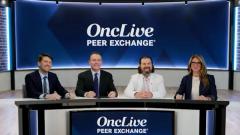
Dr. Graff addresses the persistent gap between the CAR-T evidence base and real-world utilization.
Advertisement
Episodes in this series
Dr. Graff addresses the persistent gap between the CAR-T evidence base and real-world utilization. Despite ZUMA-7 and TRANSFORM demonstrating event-free survival and overall survival superiority for anti-CD19 CAR-T over platinum chemotherapy plus autologous transplant in early relapsing and primary refractory patients, many eligible patients still don't receive it. Barriers include patient reluctance to travel, caregiver responsibilities (including farming communities unable to interrupt livelihoods), inadequate community oncologist awareness about appropriate referral timing, manufacturing and cell collection logistics, and payer reimbursement complexities.
She advocates for early bidirectional referral relationships: community oncologists calling academic lymphoma centers for guidance rather than assuming full patient transfer is required, with shared management models where CAR-T is delivered at a specialized center and subsequent monitoring returns to the primary oncologist.
Dr. Lunning notes that post-CAR-T monitoring requirements have been meaningfully streamlined based on accumulating safety data: mandatory proximity to authorized treatment centers has been reduced from 28 to 14 days, and driving restrictions reduced from 8 weeks to 2 weeks, reflecting that clinically significant events cluster in the first 14 days post-infusion. Community oncologists can manage subsequent cytopenia monitoring, blood transfusions, and other complications, allowing genuine shared care.
Dr. Johnson addresses CNS prophylaxis strategies, noting he has progressively reduced prophylaxis use as retrospective data consistently show intrathecal therapy is ineffective. He retains CNS-directed prophylaxis for double-hit lymphoma (given biological overlap with Burkitt lymphoma where CNS prophylaxis has established benefit), intravascular large B-cell lymphoma (extraordinarily high CNS involvement risk), and testicular DLBCL (where late CNS relapses are documented and high-dose intravenous methotrexate prophylaxis is used). He notes that lenalidomide's CNS penetration is a biologically interesting feature of frontMIND-based regimens that may reduce CNS relapse rates, and he looks forward to seeing CNS relapse data from that trial.
Advertisement
Related to this article

The FDA approved pirtobrutinib for untreated chronic lymphocytic leukemia, granted priority review to elinzanetant for breast cancer hot flashes, and more.

The 2026 amendment adds 40 new recommendations, including active surveillance, office-based treatment, and chemoablation for select recurrent low-grade disease.

The FDA has approved pirtobrutinib for the treatment of adult patients with previously untreated CLL or SLL harboring no known 17p deletion.

By finding a way to attack the most important human oncogene, KRAS, the UCSF chemical biologist launched a new era in cancer treatment.

TRE-515 earned fast track status in combination with KRAS inhibitors for G12C-mutated NSCLC after anti–PD-(L)1 therapy and platinum-based chemotherapy.

An NDA for zipalertinib in EGFR exon 20 insertion–positive NSCLC is being supported by phase 3 REZILIENT3 data.

Did you catch all of this week's top oncology news? Test your knowledge with OncLive's Weekly News Quiz.
Aglatimagene besadenovec plus EBRT was linked to a 41% lower risk of prostate cancer recurrence or death, alongside durable immune activity.
Advertisement
Advertisement
Trending on OncLive
1
FDA Approves Pirtobrutinib for Previously Untreated CLL/SLL
2
The OncFive: Top Oncology Articles for the Week of 9/27/2026
3
NDA Submission Is Initiated for Zipalertinib Plus Chemotherapy in Frontline EGFR Exon 20 Insertion+ NSCLC
4
FDA Grants Fast Track Designation to TRE-515 Plus KRAS Inhibitors in Pretreated KRAS G12C+ NSCLC
5