
Opinion|Videos|June 27, 2025
CEPHEUS Subgroup Analyses: Insights From ASCO 2025
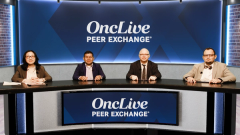
Panelists analyses from the CEPHEUS suggest that quadruplet regimens provide broad benefits in transplant-ineligible patients, though ultra–high-risk subtypes may require novel strategies discuss how subgroup.
Advertisement
Episodes in this series
Quadruplets for Older Patients and High-Risk Cytogenetics
Recent analyses from the IFM and EMN studies suggest that quadruplet therapy benefits not just younger, fit patients, but also those who are older or considered transplant-deferred. These findings challenge traditional categorizations of transplant eligibility.
In-depth subgroup analyses show that the benefits of quad therapy extend across ISS staging and age groups. However, patients with ultra–high-risk cytogenetics (eg, del(17p), t(4;14)) continue to experience poor outcomes even with enhanced induction, indicating persistent unmet needs.
Clinicians now consider early use of novel agents and dual maintenance strategies for high-risk, nontransplant candidates. A more nuanced approach to treatment planning is emerging, guided by cytogenetic profiles and functional assessments rather than strict age cutoffs.
Advertisement
Related to this article

VS-7375 produced a responses previously treated metastatic pancreatic ductal adenocarcinoma.

SurVaxM missed the SURVIVE trial OS end point in newly diagnosed glioblastoma, whereas a subgroup of patients 65 or younger had significantly improved OS.
The resubmission follows a third complete response letter issued in July 2026 that cited manufacturing deficiencies rather than efficacy or safety concerns.

The FDA has approved atezolizumab in combination with chemotherapy for some patients with stage 3 colon cancer following surgery.

The FDA approved nogapendekin alfa inbakicept plus BCG for BCG-unresponsive NMIBC with high-grade papillary-only tumors.

The FDA set a PDUFA target action date of March 31, 2027, for tabelecleucel in relapsed or refractory EBV-positive post-transplant lymphoproliferative disease.

Experts in gynecologic oncology overview top research being presented at the 2026 ESMO Congress.

Matthew P. Goetz, MD, explores menopausal status, recurrence risk, and adjuvant CDK4/6 inhibitor selection in HR-positive breast cancer.
Advertisement
Advertisement
Trending on OncLive
1
FDA Approves Nogapendekin Alfa Inbakicept Plus BCG for High-Grade, Papillary-Only BCG-Unresponsive NMIBC
2
Real-World, First-Line IO-Based Combos Are Associated With Improved OS vs TKI Monotherapy in Advanced RCC
3
Tenumomeran/Raplemomeran Plus Pembrolizumab Misses PFS End Point in HPV16+ HNSCC
4
CDK4/6 Inhibitors Anchor First-Line Metastatic Breast Cancer Care, But Oral SERDs May Fall Short
5