
Opinion|Videos|November 4, 2025
Clinical and Disease Factors Influencing CAR T Effectiveness in Relapsed/Refractory Follicular Lymphoma
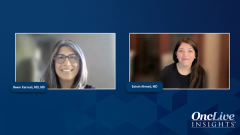
Author(s)Reem Karmali, MD, MS, Sairah Ahmed, MD
Panelists discuss how individual and disease-specific factors influence the success of CAR T therapy in relapsed or refractory follicular lymphoma.
Advertisement
Episodes in this series
Panelists discuss how CAR T therapy outcomes can vary depending on a patient’s clinical and disease characteristics. Factors such as disease burden, prior treatments, immune health, and overall fitness influence both the effectiveness and safety of therapy. Understanding these elements helps clinicians predict which patients are most likely to benefit and tailor supportive care accordingly.
Ongoing research has shown that patients with lower disease burden and healthier immune function tend to achieve stronger and more durable responses. However, even those with advanced disease can experience meaningful benefit when CAR T therapy is carefully managed. Predictive biomarkers and imaging tools are helping physicians identify patients who may respond best, improving the precision of treatment planning.
Integrating clinical insights with real-world data supports more equitable access and individualized care. By understanding which factors most strongly affect CAR T success, health care teams can optimize timing, minimize complications, and ultimately improve outcomes for every patient facing relapsed or refractory follicular lymphoma.
Advertisement
Related to this article

The FDA expands nogapendekin alfa inbakicept in bladder cancer, European regulators back daraxonrasib in pancreatic cancer, and more.

The opinion supports 700 mg every 6 weeks after 12 weeks of 350 mg every 3 weeks; a European Commission decision is expected in the coming months.

Experts spotlight the prostate and bladder cancer presentations they're most excited to see at the 2026 ESMO Congress.
Researchers in a Mayo Clinic-led study have shown how to detect a broad range of DNA mutations in noncancerous human tissues and across the genome.

Nunnery and Bond discuss how patients and advocates can navigate second opinions, mental health support, and the long-term effects of cancer treatment.

The CHMP opinion is backed by phase 3 MonumenTAL-3 data evaluating talquetamab plus daratumumab in relapsed/refractory multiple myeloma.
Did you catch all of this week's top oncology news? Test your knowledge with OncLive's Weekly News Quiz.

With multiple ADCs now available for use in gynecologic cancers, treatment decision-making incorporates biomarker nuances and raises sequencing questions.
Advertisement
Advertisement
Trending on OncLive
1
VOLGA, DASL-HiCaP Data Highlight Key Genitourinary Cancer Presentations Arriving at ESMO 2026
2
Stay Ahead of ESMO 2026: See What Lung Cancer Experts Are Prioritizing
3
CHMP Recommends Approval of Daraxonrasib for Previously Treated Metastatic Pancreatic Cancer
4
Lifileucel Linked to Low Rates of Post-Discharge Severe TRAEs, Readmissions in Advanced Melanoma
5