
Opinion|Videos|January 27, 2026
Closing Thoughts & Future Directions
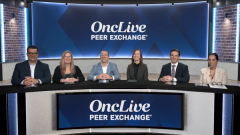
Experts discuss advancements in CLL treatment, highlighting pirtobrutinib's role and the potential of CAR T-cells and bispecific therapies.
Advertisement
Episodes in this series
The final segment brings together overarching themes and offers forward-looking perspectives on CLL care. Panelists reflect on the transformative impact of targeted therapies, noting that most patients now experience long disease control with frontline covalent BTKis and venetoclax-based regimens. However, for those who ultimately progress through these treatments, newly approved and emerging options, such as pirtobrutinib, CAR-T cell therapy, bispecific antibodies, and BTK degraders, are rapidly expanding the therapeutic arsenal.
The panel highlights key unmet needs that will shape future research priorities. Richter’s transformation remains a particularly challenging clinical entity, requiring more effective and accessible therapies. They also emphasize the promise of immunotherapy-based approaches, with early real-world data suggesting potential synergy between CAR-T therapy and targeted agents.
Personalization of therapy remains a major goal. The experts anticipate increasing use of MRD-guided strategies, deeper integration of molecular profiling, and refined sequencing algorithms that better address individual risk. They also stress the importance of balancing efficacy with safety, especially for triplet regimens or combination approaches that may introduce cumulative toxicity.
Finally, the panelists express optimism about the growing number of clinical trials and collaborative efforts in CLL, predicting that 2026 and beyond will bring increasingly sophisticated approaches capable of extending survival and improving quality of life.
Advertisement
Related to this article
Circulating tumor DNA findings from CROWN tied TP53 status and tumor fraction to outcomes with first-line lorlatinib in ALK-positive lung cancer.

Neoadjuvant T-DXd produced faster imaging responses vs ddAC in DESTINY-Breast11, but imaging poorly predicted pCR.

Abemaciclib plus fulvestrant showed a numerical yet nonsignificant overall survival trend after CDK4/6 inhibitor progression in final postMONARCH data.

INCB123667 with bevacizumab showed antitumor activity in heavily pretreated, cyclin E1–overexpressing platinum-resistant ovarian cancer.
Selective CDK4 inhibitor atirmociclib plus fulvestrant reduced risk of progression or death by 40% vs investigator's choice of therapy in the phase 2 FOURLIGHT-1 trial.

Signifcant efficacy improvements were shown with iza-bren in HR+/HER2-negative breast cancer.

The FDA approved dostarlimab in rectal cancer and pembrolizumab in tumors with high mutational burden, Europe cleared teclistamab in myeloma, and more.
The claudin 6–targeted antibody-drug conjugate ixotatug vedotin showed antitumor activity in recurrent germ cell tumors, including after transplant.
Advertisement
Advertisement
Trending on OncLive
1
Sacituzumab Govitecan Triplet Elicits Durable Responses in Treatment-Naive Metastatic Urothelial Cancer
2
Perioperative Enfortumab Vedotin Plus Pembrolizumab Improves ctDNA Clearance in Cisplatin-Eligible MIBC
3
Ad Hoc Analysis Supports Contributions of Both Enfortumab Vedotin and Pembrolizumab in Cisplatin-Ineligible MIBC
4
Pembrolizumab Plus Chemo Misses EFS End Point in Cisplatin-Eligible MIBC
5