
Opinion|Videos|December 22, 2025
First-Line Therapy Decisions & Risk Stratification in CLL
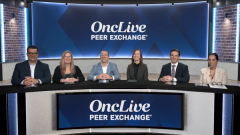
Experts discuss evolving treatment strategies for CLL, highlighting the balance between time-limited and continuous therapies for optimal patient outcomes.
Advertisement
Episodes in this series
The panel explores the nuances of selecting optimal first-line therapy for CLL, focusing on risk stratification, patient characteristics, and the evolving evidence base. They discuss how IGHV mutation status continues to play an important prognostic role, even though chemoimmunotherapy has largely fallen out of favor. High-risk features, most notably TP53 mutations and 17p deletions, significantly influence treatment decisions, steering clinicians toward BTK-based therapy and away from venetoclax monotherapy or regimens where depth of remission is heavily prioritized.
The panelists describe how covalent BTKi (acalabrutinib and zanubrutinib) have become dominant choices for many frontline patients due to their tolerability, continuous dosing convenience, and favorable long-term progression-free survival data. However, venetoclax-obinutuzumab remains an attractive time-limited treatment approach, especially for younger patients, those desiring fixed-duration therapy, or individuals with cardiovascular concerns that make BTK use more complicated.
The experts emphasize patient preference as a major determinant (continuity versus fixed duration) and how clinicians must be sensitive to lifestyle realities, travel burdens, and comorbidity profiles. Cardiovascular risk remains a key factor, especially in older patients who may be more vulnerable to atrial fibrillation or hypertension associated with BTKi.
They also note that despite the availability of multiple effective frontline options, sequencing strategy increasingly matters, as the selected first-line therapy determines which treatments remain most effective at relapse. The discussion transitions into how these frontline choices later influence second-line and beyond therapy decisions.
Advertisement
Related to this article

Read a refresh of breast cancer FDA news from August 2026, including an sNDA application in PIK3CA-mutant disease and a fast track designation.

Lanreotide injection, a generic formulation referencing lanreotide, was approved by the FDA for GEP-NETs management.

The FDA granted final approval to aLutetium Lu 177 dotatate biosimilar for patients with SSTR-positive GEP-NETs.

The TrueBeam photon therapy system has been added to the Statesir Cancer Center at Atlantic Health CentraState Medical Center.

The addition of the β-catenin pathway inhibitor tegavivint to osimertinib produced deep responses in a phase 1b study in first-line EGFR-mutated NSCLC.

Updated NCCN guidelines now recommend rusfertide as a Category 1 option for both low- and high-risk polycythemia vera.

An observational analysis showed a long-term OS benefit with Orca-T in adult patients undergoing allogeneic transplantation for hematologic malignancies.

FDA has granted fast track designation to LYT-200 plus a hypomethylating agent in relapsed/refractory high-risk myelodysplastic syndromes.
Advertisement
Advertisement
Trending on OncLive
1
FDA Grants Fast Track Designation to LYT-200 in R/R High-Risk MDS
2
NAPISTAR-1-01 Data Support Rapid TUB-040 Development in Biomarker-Unrestricted Ovarian Cancer
3
Japan Approves Subcutaneous Pembrolizumab for All Approved Pembrolizumab Indications
4
Making Invisible Cancers Visible: Study Suggests a New Route to Turn ‘Cold’ Tumors ‘Hot’
5