
Opinion|Videos|January 27, 2026
Co-Management, Community Partnerships & Longitudinal Care
Experts discuss the role of MRD testing in CLL treatment, emphasizing personalized approaches and the importance of continuity in patient care.
Advertisement
Episodes in this series
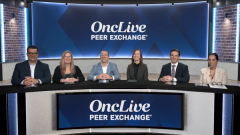
This segment focuses on the practical realities of co-managing patients with CLL between academic centers and community oncology practices. The discussion emphasizes communication, expectations-setting, and optimizing continuity of care, especially for patients on active treatment or approaching major decision points such as therapy initiation or relapse.
Panelists recommend establishing early direct communication between academic and community clinicians to align on roles and follow-up schedules. They also note the importance of involving patients in these conversations: some prefer annual academic follow-ups, whereas others want input at every treatment juncture. Tailoring follow-up cadence to patient comfort, clinical needs, and logistical realities creates more stable and trusting long-term care relationships.
The panel highlights evidence showing that patients who are regularly monitored, rather than lost to follow-up, experience fewer emergencies and better outcomes. This may relate to earlier detection of infections, secondary malignancies, or symptomatic relapses. Because patients with CLL are particularly susceptible to immune-related complications, ongoing supportive care remains a crucial component of long-term management.
The segment also reflects on the emotional dimensions of CLL. Many patients experience anxiety during watch-and-wait periods or when changing therapies. Strong, longitudinal provider relationships help mitigate this burden.
The faculty underscores that successful co-management is built on collaboration, clarity, and shared decision-making to ensure high-quality, consistent care regardless of treatment setting.
Advertisement
Related to this article

Circulating tumor DNA findings from CROWN tied TP53 status and tumor fraction to outcomes with first-line lorlatinib in ALK-positive lung cancer.

Neoadjuvant T-DXd produced faster imaging responses vs ddAC in DESTINY-Breast11, but imaging poorly predicted pCR.

Abemaciclib plus fulvestrant showed a numerical yet nonsignificant overall survival trend after CDK4/6 inhibitor progression in final postMONARCH data.

INCB123667 with bevacizumab showed antitumor activity in heavily pretreated, cyclin E1–overexpressing platinum-resistant ovarian cancer.

Selective CDK4 inhibitor atirmociclib plus fulvestrant reduced risk of progression or death by 40% vs investigator's choice of therapy in the phase 2 FOURLIGHT-1 trial.

Signifcant efficacy improvements were shown with iza-bren in HR+/HER2-negative breast cancer.

The FDA approved dostarlimab in rectal cancer and pembrolizumab in tumors with high mutational burden, Europe cleared teclistamab in myeloma, and more.

The claudin 6–targeted antibody-drug conjugate ixotatug vedotin showed antitumor activity in recurrent germ cell tumors, including after transplant.
Advertisement
Advertisement
Trending on OncLive
1
Sacituzumab Govitecan Triplet Elicits Durable Responses in Treatment-Naive Metastatic Urothelial Cancer
2
Perioperative Enfortumab Vedotin Plus Pembrolizumab Improves ctDNA Clearance in Cisplatin-Eligible MIBC
3
Ad Hoc Analysis Supports Contributions of Both Enfortumab Vedotin and Pembrolizumab in Cisplatin-Ineligible MIBC
4
Pembrolizumab Plus Chemo Misses EFS End Point in Cisplatin-Eligible MIBC
5