
Opinion|Videos|January 20, 2026
Resistance Testing, Peripheral vs. Tissue Sampling, and Clinical Monitoring
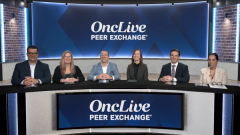
Experts discuss the impact of real-world data on CLL treatment sequencing, highlighting survival outcomes and the importance of targeted therapies.
Advertisement
Episodes in this series
This segment explores the expanding but nuanced role of molecular resistance testing in CLL. The panel discusses how BTK and BCL2 resistance mutations influence therapeutic decisions and whether such testing should be performed routinely in clinical practice. They emphasize that while mutation information is highly informative in clinical trials, its real-world impact on decision-making varies based on urgency, available agents, and disease symptoms.
A major focus is where testing should be performed: peripheral blood, bone marrow, or lymph node biopsy. Most experts agree that peripheral blood is sufficient in the majority of cases, as it is minimally invasive, easily repeated, and usually reflective of systemic disease biology. However, they acknowledge occasional discordances: a patient may have lymph node progression without detectable peripheral mutations, prompting consideration of tissue biopsy in select situations. They also note that known resistance-associated mutations explain only a portion of relapses; many cases progress without identifiable BTK or BCL2 mutations, underscoring gaps in current understanding of resistance biology.
The panel also touches on clinical monitoring strategies, including when to intervene during biochemical or imaging-defined progression. They caution against relying solely on molecular markers without clinical context and emphasize timely recognition of progression to open the window for appropriate treatments such as CAR-T, clinical trials, or cellular therapies.
This segment underscores the importance of personalized, context-driven use of molecular testing, which is valuable but not universally required, and highlights the need for future research to better define resistance pathways.
Advertisement
Related to this article

The FDA has approved pirtobrutinib for the treatment of adult patients with previously untreated CLL or SLL harboring no known 17p deletion.

By finding a way to attack the most important human oncogene, KRAS, the UCSF chemical biologist launched a new era in cancer treatment.

TRE-515 earned fast track status in combination with KRAS inhibitors for G12C-mutated NSCLC after anti–PD-(L)1 therapy and platinum-based chemotherapy.

An NDA for zipalertinib in EGFR exon 20 insertion–positive NSCLC is being supported by phase 3 REZILIENT3 data.

Did you catch all of this week's top oncology news? Test your knowledge with OncLive's Weekly News Quiz.
Aglatimagene besadenovec plus EBRT was linked to a 41% lower risk of prostate cancer recurrence or death, alongside durable immune activity.

In case you missed any, read a recap of the episodes of OncLive On Air that aired in September 2026.

Japan approved Optune Pax plus gemcitabine and nab-paclitaxel for unresectable locally advanced pancreatic cancer.
Advertisement
Advertisement
Trending on OncLive
1
FDA Approves Pirtobrutinib for Previously Untreated CLL/SLL
2
Oral Azacitidine and Cedazuridine Meets Primary Pharmacokinetic End Point in MDS and CMML
3
Revisit Every OncLive On Air Episode From September 2026
4
UTRxMYCN M1-14 Nets FDA Dual Designations in Soft Tissue Sarcoma
5