Now Playing
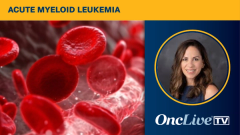
Sanam Loghavi, MD, discusses updated WHO diagnostic criteria for acute myeloid leukemia and its significance for diagnoses and treatment selection.
“[Updated WHO diagnostic criteria] is an important topic because the first step in the treatment of any patients is getting the diagnosis right…. When you write protocols and want to enroll patients in clinical trials, you want to make sure that the eligibility criteria are in line with the current [WHO] diagnostic criteria.”
Sanam Loghavi, MD, an associate professor in the Department of Hematopathology, as well as co-director and medical director of the Department of Translational Molecular Pathology, all in the Division of Pathology-Lab Medicine at The University of Texas MD Anderson Cancer Center, discussed recently updated World Health Organization (WHO) diagnostic criteria for patients with acute myeloid leukemia (AML), touching on how diagnosis, treatment decision-making, and clinical practice might change following the updates.
Loghavi began by emphasizing the importance of diagnosis in the AML management process, pointing out how this step precedes all subsequent treatment decisions. She then highlighted the importance of consistent communication between oncologists, hematopathologists, hematologic oncologists, and other. Loghavi mentioned that being in close multidisciplinary communication is important due to how frequently updates to the WHO diagnostic criteria occur. Emerging data, evolving technologies, and ongoing clinical trials all help contribute to the quickly growing comprehension of AML, she added.
Furthermore, Loghavi pointed out the advantages and benefits of hematopathologists and hematologic oncologists educating other oncologists and the broader clinical community on how diseases like AML are diagnosed. Educating the relevant professionals on the process of diagnosis supports the design and execution of clinical trials, she said. Loghavi noted that integral components of clinical trials like setting protocols and eligibility criteria require up-to-date understandings of the current WHO diagnostic criteria. Staying in close communication with hematopathologists and hematologic oncologists to ensure that key aspects of clinical trials match the current WHO diagnostic criteria is essential, Loghavi re-emphasized.