

Opinion|Videos|February 27, 2026
Escalation Pathways for Dermatologic Toxicities in HR+/HER2-Negative Advanced Breast Cancer
Explore effective strategies for managing skin rashes caused by PI3 kinase and AKT inhibitors, including prophylactic antihistamines and topical treatments.
Advertisement
In this segment, Dr. Neil Iyengar leads a panel discussion on the evaluation and escalation of dermatologic adverse events associated with PI3K and AKT pathway inhibitors in HR+/HER2-negative advanced breast cancer. The panel outlines a structured approach to assessing new-onset rash, emphasizing the importance of differentiating lower-grade, treatment-related dermatologic reactions from presentations that may warrant dermatology consultation or additional laboratory evaluation. Panelists discuss key clinical features that guide decision-making, including rash distribution, severity, progression, and associated systemic symptoms. The conversation then shifts to management strategies for patients who experience recurrent or persistent grade 2 rash, highlighting multidisciplinary escalation pathways that may include intensified topical therapy, treatment interruption, or specialist referral. Throughout the discussion, the panel emphasizes proactive patient education, clear communication of warning signs, and timely reporting to support early intervention, minimize symptom burden, and maintain continuity of therapy.
Advertisement
Related to this article

The FDA has approved pirtobrutinib for the treatment of adult patients with previously untreated CLL or SLL harboring no known 17p deletion.

By finding a way to attack the most important human oncogene, KRAS, the UCSF chemical biologist launched a new era in cancer treatment.

TRE-515 earned fast track status in combination with KRAS inhibitors for G12C-mutated NSCLC after anti–PD-(L)1 therapy and platinum-based chemotherapy.

An NDA for zipalertinib in EGFR exon 20 insertion–positive NSCLC is being supported by phase 3 REZILIENT3 data.
Did you catch all of this week's top oncology news? Test your knowledge with OncLive's Weekly News Quiz.
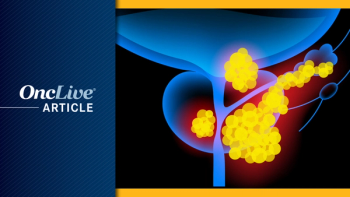
Aglatimagene besadenovec plus EBRT was linked to a 41% lower risk of prostate cancer recurrence or death, alongside durable immune activity.

In case you missed any, read a recap of the episodes of OncLive On Air that aired in September 2026.

Japan approved Optune Pax plus gemcitabine and nab-paclitaxel for unresectable locally advanced pancreatic cancer.
Advertisement
Advertisement
Trending on OncLive
1
FDA Approves Pirtobrutinib for Previously Untreated CLL/SLL
2
Oral Azacitidine and Cedazuridine Meets Primary Pharmacokinetic End Point in MDS and CMML
3
Revisit Every OncLive On Air Episode From September 2026
4
UTRxMYCN M1-14 Nets FDA Dual Designations in Soft Tissue Sarcoma
5