
Opinion|Videos|November 19, 2024
Evaluating Response Rates in HERTHENA-Lung01: Insights on HER3-DXd
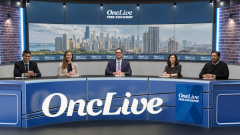
This episode reviews the response rates reported in the HERTHENA-Lung01 trial among patients with advanced NSCLC exhibiting various resistance mechanisms, evaluates the clinical significance of responses to HER3-DXd based on HER3 expression scores, discusses the relevance of the reported overall DOR, median PFS, and OS, and examines the CNS ORR among patients with baseline brain metastases in relation to the ORRs.
Advertisement
Episodes in this series
Video content above is prompted by the following:
- Please share your impressions of the response rates reported in HERTHENA-Lung01 among patients with EGFR-dependent, EGFR-independent, or both EGFR-dependent and -independent resistance mechanisms in advanced or metastatic NSCLC.
- How clinically meaningful are the responses to HER3-DXd across a range of pretreatment, HER3 expression scores in patients with heavily pretreated ,advanced, or metastatic NSCLC?
- Please comment on the overall 6.4-month DOR, median PFS of 5.5 months, and OS of 11.9 months reported in HERTHENA-Lung01. Are these data meaningful to you?
- Please share your thoughts on the CNS ORR of 33.3% among the 10 study subjects with baseline brain metastases who attained CR or PR vis-à-vis the confirmed ORR of 29.8%.
Advertisement
Related to this article

The FDA granted fast track designation to opamtistomig for first-line treatment of advanced or metastatic biliary tract cancer.

Roswell Park Comprehensive Cancer Center has earned national recognition in 2026 from the American Medical Association as a Joy in Medicine organization.

A planned interim analysis of the radiopharmaceutical RYZ101 showed improved PFS by blinded independent central review vs standard of care.

Conditional approvals in Armenia cover botensilimab plus balstilimab indicated for patients with MSS mCRC without active liver metastases.

The top 5 OncLive TV videos of the week.

Check out this September recap of OncLive’s coverage of the top news and expert insights in gastrointestinal cancers.

The FDA approved atezolizumab plus chemo for stage III colon cancer, cleared a tucatinib-based maintenance regimen for advanced breast cancer, and more.

Read a refresh of hematologic cancer FDA and global regulatory news from September 2026.
Advertisement
Advertisement
Trending on OncLive
1
Five Under 5: Top Oncology Videos for the Week of 10/5/2026
2
GI Cancer Monthly Rewind: Key News and Expert Insights You May Have Missed in September 2026
3
Armenia Grants First Marketing Authorizations to Botensilimab Plus Balstilimab in Previously Treated MSS mCRC
4
RYZ101 Meets Primary PFS End Point in Phase 3 ACTION-1 Trial for Post–Lutetium-177 GEP-NETs
5