
Opinion|Videos|November 26, 2024
HERTHENA-Lung02 Trial: Exploring the Role of Patritumab Deruxtecan in Advanced EGFR-Mutant NSCLC
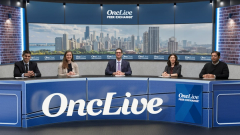
This episode summarizes the HERTHENA-Lung02 trial and examines the average duration of response to platinum-based chemotherapy in patients with advanced EGFR-mutated NSCLC who have previously undergone multiple lines of EGFR TKI therapy, discusses strategies for community oncologists to tackle diverse resistance mechanisms to third-generation TKIs, and evaluates the importance of tolerability in sparing platinum-based chemotherapy compared with using ADCs in subsequent treatment lines.
Advertisement
Episodes in this series
Video content above is prompted by the following:
- Please summarize the HERTHENA-Lung02 trial. In your experience, what is the average DOR among your patients with platinum-based chemotherapy on or after treatment with at least 1 line of EGFR TKI therapy for advanced or metastatic EGFR-mutated NSCLC?
- How might community oncologists address the diverse mechanisms of resistance to third-generation TKIs to optimize subsequent treatment aftermultiple lines of prior therapy for advanced or metastatic NSCLC with AGAs?
- From a tolerability perspective, how important is sparing platinum-based chemotherapy in subsequent lines of therapy vs an ADC?
Advertisement
Related to this article

The CHMP backed sintilimab plus chemotherapy in NSCLC; the FDA issued a complete response letter for the regimen in 2022.

The FDA removed the PCNSL limitation of use from the liso-cel label in LBCL, making it the second CAR T-cell therapy with this update.

Quality Improvement and EGFR-Mutant Lung Cancer Survivorship Research Help Shape Fellowship Training
Christine Ann Garcia, MD, MPH, discusses error review in fellowship training, survivorship in EGFR+ lung cancer, and nontraditional career paths.

Sanjiv Gangaram-Panday, MD, PhD, discusses 5-year SANO outcomes, distant dissemination, and next steps for active surveillance in esophageal cancer.

Alissa Cooper, MD, reviews new data for established and emerging antibody-drug conjugate targets in non–small cell lung cancer and argues that payload innovation and better patient selection are the field's greatest needs.

The FDA accepted an sNDA for selinexor plus ruxolitinib in myelofibrosis, with a target action date of June 28, 2027.
The FDA has approved neladalkib for previously treated, ALK-positive, locally advanced or metastatic non-small cell lung cancer.

Roswell Park researchers found CD83 CAR T cells could overcome CD19-targeted therapy resistance in preclinical models of B-cell cancers.
Advertisement
Advertisement
Trending on OncLive
1
FDA Removes Limitations of Use for Liso-Cel in Primary Central Nervous System Lymphoma
2
FDA Accepts sNDA for Selinexor Plus Ruxolitinib in Myelofibrosis
3
Beyond the Target: Payloads, Therapeutic Windows, and Biomarkers Shape the Next Wave of ADCs in NSCLC
4
Sintilimab Receives Positive CHMP Opinion for First-Line Nonsquamous NSCLC
5