The CHMP recommended perioperative pembrolizumab plus enfortumab vedotin for resectable muscle-invasive bladder cancer.
An NDA has been submitted to the FDA seeking the approval of TAR-200 for BCG-unresponsive high-risk NMIBC with CIS, with or without papillary tumors.
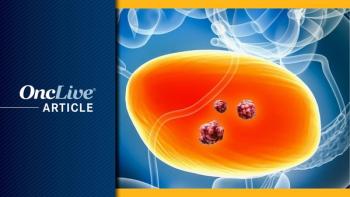
An original new drug application (NDA) has been submitted to the FDA seeking the approval of the intravesical drug-releasing system TAR-200 for the treatment of patients with Bacillus Calmette-Guérin (BCG)–unresponsive high-risk non–muscle-invasive bladder cancer (NMIBC) with carcinoma in situ (CIS), with or without papillary tumors.1
The NDA submission was supported by findings from the TAR-200 monotherapy cohort (n = 85) of the phase 2b SunRISE-1 trial (NCT04640623), findings from which were presented at the
“Upon approval, TAR-200 promises to be a meaningful additional treatment option for certain patients with NMIBC, addressing a critical need for [patients] who have had relatively limited therapeutic alternatives. Many patients face life-altering surgical options, such as radical cystectomy, which is complete bladder removal,” Yusri Elsayed, MD, MHSc, PhD, global therapeutic head of Oncology at Johnson & Johnson Innovative Medicine, stated in a news release.1 “By combining our expertise in innovative medicine and medical devices, Johnson & Johnson is uniquely positioned to transform how we treat certain types of bladder cancer through the first and only intravesical drug-releasing system for this disease. We look forward to working with the FDA in review of this application.”
A secondary population of patients with papillary-only high-risk NMIBC with no CIS (n = 52) received TAR-200 monotherapy (cohort 4). Enrollment to this cohort has been completed.
All patients received indwelling TAR-200 every 3 weeks for the first 24 weeks, then every 12 weeks through week 96.
For cohorts 1 through 3, the primary end point was overall CR rate. Key secondary end points included DOR, overall survival, safety, and tolerability. For cohort 4, the primary end point is disease-free survival rate at 12 months.
The most common any-grade treatment-related adverse effects (TRAEs) observed in cohort 2 were pollakiuria (38.8%), dysuria (35.3%), urinary tract infection (UTI; 20.0%), hematuria (14.1%), and pruritus (1.2%). Grade 3 or higher TRAEs were reported in 9.4% of patients in cohort 2 and included urinary tract pain (3.5%) and UTI (1.2%). Serious TRAEs occurred in 5.9% of patients in this cohort, and 5.9% of patients experienced TRAEs leading to treatment discontinuation. No treatment-related deaths occurred.
Previously, in December 2023,