
Opinion|Videos|February 25, 2026
Guideline Adoption and Sequencing After Nalirifox in Metastatic Pancreatic Ductal Adenocarcinoma
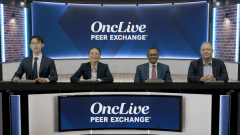
Experts discuss the importance of communication and patient support in managing pancreatic cancer treatment and aligning care goals with patient needs.
Advertisement
Episodes in this series
This segment explores how incorporation of Nalirifox into clinical guidelines has influenced treatment pathways, coverage and access considerations in metastatic pancreatic ductal adenocarcinoma. Faculty discuss how guideline inclusion provides confidence for clinicians and institutions, supporting more consistent use of Nalirifox across practice settings.
Panelists describe how alignment with established guidelines can streamline internal pathways, facilitate payer approval, and reduce variability in treatment access. The discussion highlights how guideline driven adoption supports earlier integration of evidence based therapies into routine care.
The conversation then shifts to sequencing strategies after progression on Nalirifox. Faculty review how data from earlier NAPOLI trials inform second line treatment decisions and the continued role of liposomal irinotecan across the disease course. Considerations include prior treatment exposure, residual toxicities, patient performance status, and therapeutic goals.
Panelists emphasize that sequencing decisions are increasingly individualized, guided by both clinical evidence and patient specific factors. Rather than following a rigid algorithm, clinicians integrate guideline recommendations with real world experience to tailor subsequent therapy.
This segment highlights how guideline adoption and thoughtful sequencing work together to support continuity of care and informed decision making in metastatic pancreatic ductal adenocarcinoma.
Advertisement
Related to this article

The FDA has approved lirafugratinib (Lyrfigtu) for the treatment of adult patients with previously treated unresectable, locally advanced or metastatic cholangiocarcinoma harboring an FGFR2 gene fusion or other rearrangement.

An IDMC recommended continuing a phase 2 minimal residual disease study of IMNN-001 without modification following a favorable safety review.

Shailender Bhatia, MD, discusses next steps for adjuvant therapy research in light of the phase 3 ADAM trial and broader implications for Merkel cell carcinoma.

Clinicians and researchers are set to gather for the UCSF-cosponsored International Invasive Lobular Carcinoma Symposium.
SOT106 now holds both orphan drug and fast track designations across soft tissue sarcoma and osteosarcoma ahead of a first-in-human trial.

Shailender Bhatia, MD, discusses ADAM trial design, key efficacy and safety findings, and treatment implications in Merkel cell carcinoma.

Read a refresh of breast cancer FDA news from August 2026, including an sNDA application in PIK3CA-mutant disease and a fast track designation.

Lanreotide injection, a generic formulation referencing lanreotide, was approved by the FDA for GEP-NETs management.
Advertisement
Advertisement
Trending on OncLive
1
FDA Grants Final Approval to Lutetium Lu 177 Dotatate Biosimilar for SSTR+ GEP-NETs
2
FDA Approves Generic Lanreotide Injection for GEP-NETs
3
FDA Flashback: Breast Cancer Decisions and News From August 2026
4
Dr Barot on Palbociclib Maintenance in HR+/HER2+ Metastatic Breast Cancer
5