
Opinion|Videos|July 14, 2026
HR-Positive/HER2-Negative Metastatic Breast Cancer: Integrating Oral SERDs Into Treatment Sequencing
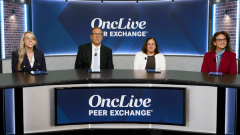
Dr. Adam Brufsky and the panel transition to a discussion of oral selective estrogen receptor degraders (SERDs) and their evolving role in the management of HR-positive/HER2-negative metastatic breast cancer.
Advertisement
Episodes in this series
Dr. Adam Brufsky and the panel transition to a discussion of oral selective estrogen receptor degraders (SERDs) and their evolving role in the management of HR-positive/HER2-negative metastatic breast cancer. Drawing on experience from studies evaluating ESR1-mutated disease, Dr. Virginia Kaklamani, Dr. Rebecca Shatsky, and Dr. Rita Nanda discuss factors that may influence patient selection for oral SERD therapy, including prior duration of CDK4/6 inhibitor benefit, endocrine sensitivity, disease biology, and the presence of ESR1 mutations. The faculty review the clinical challenges associated with identifying patients most likely to derive meaningful benefit from endocrine-based approaches and highlight the importance of individualized treatment decisions. The conversation also explores emerging combination strategies involving oral SERDs and targeted therapies, with an emphasis on safety considerations, tolerability, and the need for robust clinical evidence before broader adoption. Throughout the discussion, the panel examines how oral SERDs may fit into treatment sequencing and reflects on the ongoing evolution of endocrine therapy strategies in HR-positive/HER2-negative metastatic breast cancer.
Advertisement
Related to this article

In TASKIN, the 12-month OS rate was 61.3% with vilamakitug vs 55.7% with placebo plus trifluridine/tipiracil.

The 510(k) clearance covers an MRI-derived AI risk score for stage I to IIIA disease; the high-risk category carried an HR of 2.81 for recurrence.

The FDA has approved dostarlimab for MSI-H or dMMR locally advanced rectal cancer.

The FDA accepted an NDA for UGN-103 for recurrent low-grade intermediate-risk NMIBC, with a target action date of June 14, 2027.

Ulrich Steidl, MD, PhD, has finalized his Montefiore Einstein Comprehensive Cancer Center senior leadership team.

The CirCLIQ Injector approval for subcutaneous isatuximab in multiple myeloma is the first anticancer treatment delivered via an on-body injector in Japan.

The top 5 OncLive TV videos of the week cover insights in multiple myeloma, HR+ breast cancer, CAR T-cell therapy, CLL, and oral SERDs.

Moh’d Khushman, MD, discusses INCA33890’s mechanism of action, phase 1 safety and efficacy data, and the design of NEXERA-303 in MSS colorectal cancer.
Advertisement
Advertisement
Trending on OncLive
1
FDA Approves Dostarlimab for dMMR/MSI-H Locally Advanced Rectal Cancer
2
VOLGA, DASL-HiCaP Data Highlight Key Genitourinary Cancer Presentations Arriving at ESMO 2026
3
Five Under 5: Top Oncology Videos for the Week of 10/12
4
Early-Phase INCA33890 Data Lay the Foundation for Phase 3 Combination Research in MSS CRC
5