
Opinion|Videos|October 14, 2026
Off-the-Shelf Therapies, Combination Strategies, and Patient-Centered Treatment in Relapsed/Refractory Multiple Myeloma
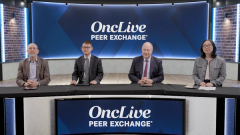
The panel discusses the practical advantages of off-the-shelf BCMA-directed therapies in relapsed/refractory multiple myeloma, particularly for patients with rapidly progressing disease or high disease burden who may not be able to wait for CAR T-cell manufacturing.
Advertisement
Episodes in this series
The panel discusses the practical advantages of off-the-shelf BCMA-directed therapies in relapsed/refractory multiple myeloma, particularly for patients with rapidly progressing disease or high disease burden who may not be able to wait for CAR T-cell manufacturing. Dr. Jing Christine Ye highlights how treatment access, insurance authorization, manufacturing logistics, disease aggressiveness, and the potential need for bridging therapy can influence the choice between BCMA-directed bispecific antibodies, antibody-drug conjugates, and cellular therapies. Dr. Paul Richardson then discusses the potential role of CELMoDs in combination strategies, including their potential to support fixed-duration approaches and optimize the use of BCMA-directed therapies. The conversation also addresses the importance of balancing efficacy with treatment-related toxicity, particularly infections and other complications associated with prolonged bispecific therapy. Dr. Richardson emphasizes the potential of combination strategies to achieve greater disease control while limiting exposure to individual therapies. The segment concludes with a discussion of the aspiration for functional cure and the importance of communicating this goal carefully and realistically with patients.
Advertisement
Related to this article

Experts in gynecologic oncology overview top research being presented at the 2026 ESMO Congress.
Matthew P. Goetz, MD, explores menopausal status, recurrence risk, and adjuvant CDK4/6 inhibitor selection in HR-positive breast cancer.

First-line IO-based combination regimens were increasingly used and associated with longer observed survival in advanced renal cell carcinoma.

Tenumomeran/raplemomeran plus pembrolizumab missed the PFS end point in HPV16-positive HNSCC.
Matthew P. Goetz, MD, explores first-line treatment selection, emerging targeted therapies, and unmet sequencing needs in metastatic breast cancer.

AI-assisted scoping review of code sharing in clinical prediction model research
Omar Castaneda Puglianini, MD, discusses earlier CAR T-cell therapy use, sequencing with bispecific antibodies, and access barriers in multiple myeloma.

Readers share their opinions on some of the most talked-about breast cancer abstracts they’re looking forward to seeing at ESMO 2026.
Advertisement
Advertisement
Trending on OncLive
1
Earlier CAR T-Cell Therapy Use Highlights Sequencing and Access Considerations in Myeloma
2
Dr Fradley on Real-World Atrial Fibrillation and Cardiovascular Outcomes in CLL
3
CDK4/6 Inhibitors Anchor First-Line Metastatic Breast Cancer Care, But Oral SERDs May Fall Short
4
Real-World, First-Line IO-Based Combos Are Associated With Improved OS vs TKI Monotherapy in Advanced RCC
5