Now Playing
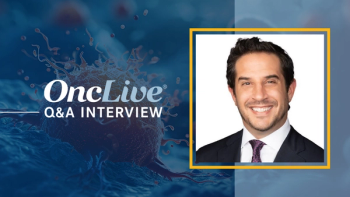
In this video, Neal D. Shore, MD, FACS, and Rana R. McKay, MD, FASCO, discuss the evolving treatment landscape for metastatic hormone-sensitive prostate cancer and the clinical rationale for evaluating darolutamide (Nubeqa) plus ADT in a US patient population.
The landscape for metastatic hormone-sensitive prostate cancer (mHSPC) has undergone substantial change over the past decade, driven by successive phase 3 trials demonstrating the superiority of treatment intensification over androgen deprivation therapy (ADT) alone. Neal D. Shore, MD, FACS, director of research at START Carolinas/Carolina Urologic Research Center in Myrtle Beach, South Carolina, and Rana R. McKay, MD, FASCO, a genitourinary medical oncologist and professor of urology and medicine at the University of California, San Diego (UCSD) School of Medicine, co-led the phase 2 ARASEC trial (NCT02799602)to address a specific gap in this evolving evidence base.1
According to McKay, the inflection point began in 2015 with the entry of docetaxel into the mHSPC landscape, followed by pivotal data in 2018 and a subsequent series of trials establishing ADT plus an androgen receptor pathway inhibitor (ARPI) as the new standard of care. Darolutamide, already proven in the nonmetastatic castration-resistant prostate cancer (nmCRPC) setting through the ARAMIS trial (NCT02200614) and in combination with docetaxel through the ARASENS trial (NCT02799602), had not yet been evaluated as a doublet regimen with ADT in a prospective US population.
Shore emphasized that clinicians and patients alike were requesting data specifically supporting darolutamide plus ADT in the mHSPC setting—a need ARASEC was designed to fulfill. The ARANOTE trial, conducted outside the United States, had examined this combination, but the absence of contemporaneous US-based data, along with ethical constraints precluding ADT monotherapy randomization in the early 2020s, set the stage for a novel trial design approach.