
scout

Rana R. McKay, MD

Rana R. McKay, MD, FASCO

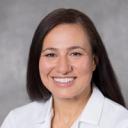
Rana R. McKay, MD, FASCO, is a professor in the Department of Medicine and Department of Urology at the University of California, San Diego Health.

Articles by Rana R. McKay, MD

4 experts in this video

Panelists discuss how successful metastatic castration-sensitive prostate cancer (mCSPC) management requires balancing cancer control with quality-of-life preservation, emphasizing the need for better tools to measure patient-reported outcomes, comprehensive survivorship care addressing cardiovascular and bone health, and personalized approaches that help patients understand their prognosis while maintaining their ability to thrive during treatment.

4 experts in this video

Panelists discuss how quality-of-life considerations are paramount in treatment selection for patients with metastatic castration-sensitive prostate cancer (mCSPC), with data showing that achieving ultralow prostate-specific antigen (PSA) levels correlates with better quality-of-life outcomes and that tolerability profiles, particularly regarding fatigue and drug-drug interactions, significantly impact daily patient experience.

4 experts in this video

Panelists discuss how prostate-specific antigen (PSA) nadir serves as a crucial prognostic marker in metastatic castration-sensitive prostate cancer (mCSPC), with faster drops to lower levels (particularly below 0.2) correlating with better outcomes, whereas imaging frequency should be customized based on clinical status and PSA kinetics.

4 experts in this video

Panelists discuss how androgen deprivation therapy (ADT) monotherapy is no longer acceptable for metastatic castration-sensitive prostate cancer (mCSPC), emphasizing that combination therapy with androgen receptor (AR) pathway inhibitors or chemotherapy plus universal germline testing should be the new standard of care.

4 experts in this video

Panelists discuss how the ARANOTE trial’s progression-free survival benefits with darolutamide inform treatment selection between doublet and triplet approaches, emphasizing personalized decision-making based on tumor burden, patient performance status, and the “first shot, best shot” treatment philosophy.