
Guillermo Garcia-Manero, M, discusses key efficacy and safety findings from the COMMANDS trial; the significance of the FDA approval of luspatercept in patients with lower-risk MDS; and considerations for bringing this agent into clinical practice.

Associate Editor, OncLive
Ashling Wahner joined MJH Life Sciences in 2022. She produces OncLive's podcast, OncLive On Air, and helps ensure timely publication of news content and announcements from the FDA approval pipeline. She also attends conferences live and virtually to conduct video interviews and produce written coverage. Email: [email protected]
Guillermo Garcia-Manero, M, discusses key efficacy and safety findings from the COMMANDS trial; the significance of the FDA approval of luspatercept in patients with lower-risk MDS; and considerations for bringing this agent into clinical practice.
Datopotamab deruxtecan elicited a statistically significant and clinically meaningful improvement in progression-free survival compared with chemotherapy in patients with inoperable or metastatic hormone receptor–positive, HER2-low or HER2-negative breast cancer.
Howard S. Hochster, MD, highlights key updates in CRC research and management from the 2023 ASCO Annual Meeting, including findings from the phase 2/3 PROSPECT trial, long-term follow-up data from the phase 3 PRODIGE 23 trial, and results of the phase 3 NeoCol study.
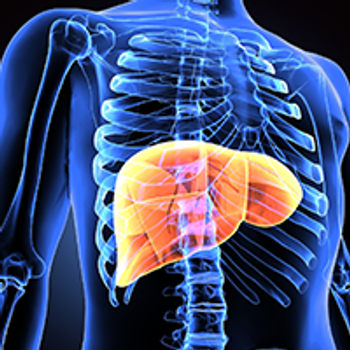
Early lung-specific response to atezolizumab plus bevacizumab was associated with longer overall survival in patients with hepatocellular carcinoma with pulmonary metastases.
John Seymour, AM, MBBS, FRACP, FAHMS, PhD, discusses the characteristics of patients with CLL who may benefit from FCR, how genetic testing can provide key insights into individual patient disease patterns, and treatment sequencing options after progression on FCR.
The phase 2 ACTION trial, which evaluated the safety of second-line cabozantinib in patients with hepatocellular carcinoma who were intolerant to first-line sorafenib or who received agents other than sorafenib in the first line, did not meet its safety futility criteria, allowing the trial to continue.

Anna Minchom, MB BCh, MRCP, MD, discusses the need to develop an amivantamab administration method that decreases the likelihood of infusion-related reactions in patients with solid tumors, revealed the RP2D of subcutaneous amivantamab that was determined in the PALOMA trial, and emphasized potential future directions with this agent.
Yara Abdou, MD, discusses key updates in breast cancer research, including paradigm shifts on the horizon for trastuzumab deruxtecan, key data regarding capivasertib in the hormone receptor–positive, HER2-negative setting, and the importance of weighing the efficacy benefits of these agents with the risks for serious associated toxicities.
Sophia Rose O’Brien, MD, discusses the optimal uses for FDG PET/CT and FES PET/CT in patients with metastatic breast cancer; limitations of these imaging modalities to consider, particularly in patients with estrogen receptor-positive disease; and the potential advantages of using FDG assessment in patients with oligometastatic disease.
Millie Das, MD, highlights early efficacy signals with PARP inhibitors in patients with small cell lung cancer, how overall survival data from the phase 3 ADAURA trial confirm the efficacy of adjuvant osimertinib in patients with non–small cell lung cancer, and which patients may benefit most from immunotherapy as monotherapy or in combination with other agents.
Brian Gastman MD, discusses how findings from CheckMate76K contributed to the rationale for a biomarker analysis in that trial’s patient population, key findings from this biomarker analysis, and how these findings may inform further research regarding the benefits of immunotherapy in earlier-stage disease.
Martin E. Gutierrez, MD, and Lori A. Leslie, MD, discuss common barriers to implementing CAR T-cell therapy programs, early successes that John Theurer Cancer Center in New Jersey has seen with outpatient CAR T-cell therapy administration, and developments on the horizon for administering this approach in solid tumors

Qian (Janie) Qin, MD, discusses the current RCC treatment landscape, ongoing research with belzutifan combination therapies, and considerations for investigating CAR T-cell therapy in patients with solid tumors.

Pasi A. Jänne, MD, PhD, discusses the advantages of bispecific ADCs that target both HER3 and EGFR; preliminary efficacy and safety data seen with BL-B01D1 in patients with non–small cell lung cancer; and the activity of this agent in patients with head and neck squamous cell carcinoma, small cell lung cancer, and nasopharynx cancer.
Alessandro Santin, MD, discusses the rationale and design of a phase 2 trial of sacituzumab govitecan in patients with persistent or recurrent endometrial cancer; unmet needs for patients with this disease; and key findings from the stage 1 portion of the trial.

Barbara Pistilli, MD, discusses the mechanism of action of novel ADCs, the ways in which ADC targets in breast cancer can change over time, and how future research may pave the way for individualized treatment with this class of agents.
Individualized myelofibrosis treatment begins with correctly identifying a patient’s disease subtype and considering their symptoms, from which accurate decisions regarding the use of JAK inhibitors vs radiation vs hypomethylating agents can lead to spleen and symptom burden reductions.

Jennifer Effie Amengual, MD, discusses unmet needs in FL that SYMPHONY-1 aims to address; the potential benefits of tazemetostat plus lenalidomide and rituximab in patients who are refractory to rituximab or who relapse within 24 months of their initial therapy; and where this regimen may fit into the relapsed/refractory FL treatment paradigm alongside investigative CAR T-cell therapies.

The natural killer T-cell agonist IMM60 may overcome resistance to PD-1 inhibitors when combined with immunotherapy in patients with melanoma and non–small cell lung cancer.
Harry Gill, MD, discusses the importance of offering patients with APL an entirely oral treatment regimen, key efficacy findings from this trial, and the tolerability of this regimen.
Tian Zhang, MD, discusses unanswered questions regarding molecular drivers of kidney cancer that the OPTIC RCC trial aims to answer, next steps with this research, and the potential benefits of receiving systemic therapy prior to undergoing cytoreductive nephrectomy for patients with metastatic renal cell carcinoma.

Treatment with the second-generation BTK inhibitor tirabrutinib continued to elicit durable responses in patients with relapsed/refractory primary central nervous system lymphoma, according to findings from the final 3-year analysis of a phase 1/2 trial.
Hans Lee, MD, discusses unmet needs in patients with relapsed/refractory multiple myeloma, highlights key efficacy and safety findings from the LINKER-MM1 trial, and how these data may inform the future of the multiple myeloma treatment paradigm.
Seth Wander, MD, PhD, discusses evidence to support the investigation of PROTACs in patients with hormone receptor–positive breast cancer; preliminary efficacy and safety findings with vepdegestrant; and potential strategies for targeting acquired ESR1 resistance mutations.
Michelina Cairo, MD, discusses key insights from trials including SONIA and CAPItello-291; how adverse effects inform treatment decisions across the breast cancer spectrum; and where the future is headed for ADCs and oral SERDs in patients with breast cancer.
Michael D. Chuong, MD, discusses the role of MRI-guided radiation therapy in pancreatic cancer and other solid tumors; the benefits of the MRIdian system; and future directions regarding MRIdian operation training and research investigating this approach in combination with chemotherapy.
Novel data with trastuzumab deruxtecan, sacituzumab govitecan, and ribociclib have demonstrated an influx of overall survival advantages compared with standard-of-care regimens across breast cancer patient subsets, including HER2-positive, hormone receptor–positive, and triple-negative disease.

Raquibul Hannan, MD, PhD, discusses the benefits of using stereotactic radiation in patients with localized RCC who are unfit for surgery, research findings indicating improved outcomes in patients who received radiation for metastatic disease, and how this radiation technique may work in concert with systemic therapy.
Solange Peters, MD, PhD, discusses the successes and shortcomings of immunotherapy in patients with lung cancer; current challenges with defining resistance mechanisms to immunotherapy in this disease; and the potential applications of circulating tumor DNA monitoring in the early and metastatic disease settings.

Prioty Islam, MD, MSc, reviews the benefits of using covalent BTK inhibitors in CLL and MCL; considerations for choosing first-generation vs next-generation covalent BTK inhibitors in patients with these B-cell malignancies; and the potential future role for ibrutinib in the CLL treatment paradigm.