
Second infusion with tisagenlecleucel after prior tisagenlecleucel infusion produced short durations of minimal residual disease-negative responses in children and young adults with B-cell acute lymphoblastic leukemia.

Associate Editor, OncLive
Ashling Wahner joined MJH Life Sciences in 2022. She produces OncLive's podcast, OncLive On Air, and helps ensure timely publication of news content and announcements from the FDA approval pipeline. She also attends conferences live and virtually to conduct video interviews and produce written coverage. Email: [email protected]
Second infusion with tisagenlecleucel after prior tisagenlecleucel infusion produced short durations of minimal residual disease-negative responses in children and young adults with B-cell acute lymphoblastic leukemia.
First-line atezolizumab plus platinum-based chemotherapy and gemcitabine trended toward improved overall survival compared with placebo plus chemotherapy in patients with locally advanced or metastatic urothelial carcinoma.
Checkpoint inhibitor–based salvage regimens significantly reduced the likelihood that patients with relapsed/refractory classic Hodgkin lymphoma undergoing transplant would need further salvage therapy vs conventional salvage regimens.
Treatment with neoadjuvant nivolumab led to encouraging 5-year recurrence-free survival and overall survival rates compared with historical outcomes in patients with non–small cell lung cancer who underwent surgical resection.
Treatment with brexucabtagene autoleucel in the standard-of-care relapsed/refractory mantle cell lymphoma setting provided an efficacy and safety profile consistent with data reported in the phase 2 ZUMA-2 trial.

Rohit Kumar, MD, discusses the benefits of TKI/immunotherapy doublets in renal cell carcinoma, unmet needs regarding future research with triplet therapies in the frontline setting, and how hypoxia inducible factor inhibitors may play a role in the treatment of patients who have progressed on prior TKI/immunotherapy combinations.

The combination of camrelizumab and apatinib led to long-term antitumor activity with manageable toxicities in patients with recurrent or metastatic nasopharyngeal carcinoma.
Emma L. Barber, MD, emphasized the importance of the ongoing phase 3 PORTEC-4a trial, which is investigating the role of molecular risk profiles in determining whether patients with endometrial cancer should receive no adjuvant therapy, vaginal brachytherapy, or external beam radiotherapy.

Bartosz Chmielowski, MD, discusses the rationale for IGNYTE, the unique mechanism of action of RP1, and how melanoma research is seeking to determine treatments for patients based on their individual resistance mechanisms.

The selective small molecule MDM2 inhibitor milademetan administered at an intermittent dosing schedule was tolerable and showed early efficacy in patients with advanced cancers, according to findings from a phase 1 study.
Natalie S. Callander, MD, contextualizes the implications of the phase 3 ATLAS trial findings alongside other trials investigating maintenance regimens with triplet therapies in multiple myeloma.

Radiation plus docetaxel improved disease-free survival and overall survival vs radiation alone in patients with head and neck squamous cell carcinoma unsuitable for cisplatin-based chemoradiation, regardless of patients’ prespecified prognostic groups, according to findings from a phase 2/3 trial.

Timothy Burns, MD, PhD, discusses the evolution of EGFR-targeted non–small cell lung cancer treatments, the importance of delineating small cell lung cancer subtypes, and the advantages of continued antibody-drug conjugate development across all areas of lung cancer.
Stephanie A. Berg, DO, highlights ongoing urothelial cancer clinical trials; the role of single-agent immunotherapy and combinations in this disease; and the importance of future research that prioritizes and guides individualized patient care.

Atish D. Choudhury, MD, PhD, discussed the significance of these trials within the metastatic castration-resistant prostate cancer treatment landscape, highlighted investigative PARP inhibitor combinations, and emphasized the need for further research in this area to determine which patients are most likely to benefit from certain therapies based on their molecular profiles.
Edward B. Garon, MD, MS, describes research combining angiogenesis and PD-1/PD-L1 inhibition stemming from the phase 3 IMpower150 trial in patients with metastatic nonsquamous NSCLC.
Zolbetuximab demonstrated a survival benefit and a tolerable safety profile when combined with mFOLFOX6 vs mFOLFOX6 plus placebo in patients with CLDN18.2-positive, HER2-negative locally advanced unresectable or metastatic gastric or gastroesophageal junction adenocarcinoma, according to primary results from the phase 3 SPOTLIGHT trial.
Joyce O’Shaughnessy, MD, highlights key data from the 2022 San Antonio Breast Cancer Symposium, explains how trastuzumab deruxtecan and CDK4/6 inhibitors are altering the treatment landscape, and discusses novel data on steroid receptor expression in triple-negative breast cancer.
Alicia Morgans, MD, MPH, discussed the evolving role of androgen deprivation therapy in metastatic hormone-sensitive prostate cancer, investigational immunotherapy combinations in urothelial cancer, and how antibody-drug conjugates provide a unique means of delivering toxic agents directly to tumors.
First-line ruxolitinib plus pegylated interferon alpha 2a demonstrated durable spleen volume reduction in patients with myelofibrosis.
Andrew McKenzie, PhD, discusses biomarkers to test for in breast and lung cancers, the value of multicancer early detection, and how biomarker testing can better direct targeted treatment across solid tumors.
The combination of SEA-CD40, gemcitabine, nab-paclitaxel, and pembrolizumab demonstrated early evidence of efficacy in patients with metastatic pancreatic ductal adenocarcinoma, according to updated results from the phase 1 SGNS40-001 study.
First-line ibrutinib plus prednisone did not improve response rates compared with placebo plus prednisone in patients with chronic graft-vs-host disease, failing to meet the primary end point of the phase 3 iNTEGRATE trial.
Tusamitamab ravtansine, an antibody-drug conjugate that targets CEACAM5, could expand the treatment armamentarium for patients with CEACAM5-positive nonsquamous non–small cell lung cancer.

R-DHAP plus high-dose cytarabine-containing myeloablative radiochemotherapy conditioning and autologous stem cell transplant demonstrated sustained time to treatment failure and overall survival benefits vs R-CHOP plus standard myeloablative radiochemotherapy and ASCT in patients with mantle cell lymphoma aged 65 years and younger.
Gopa Iyer, MD, explained the rarity of TSC1 and TSC2 mutations in GU cancers, discussed the rationale and design of PRECISION 1, and emphasized the important role next-generation sequencing plays when determining the most effective targeted therapies for patients with GU cancers and other tumor types.
Treatment with brexucabtagene autoleucel produced ongoing responses in patients with mantle cell lymphoma with high-risk disease characteristics, including those with a lower ECOG performance score and tumor burden and less frequent prior use of bridging or platinum therapy.
Mitesh J. Borad, MD, explains how FGFR alterations influence treatment strategies in cholangiocarcinoma and urothelial cancer, discusses the FGFR resistance mechanisms that are prompting further research in this area, and highlights the rationale for the KN-4802 trial.
Paul J. Shaughnessy, MD, discusses the unique properties of obecabtagene autoleucel in B-cell acute lymphoblastic leukemia and how findings from the FELIX trial support further research into the benefits of CAR T-cell therapy in patients with hematologic malignancies.
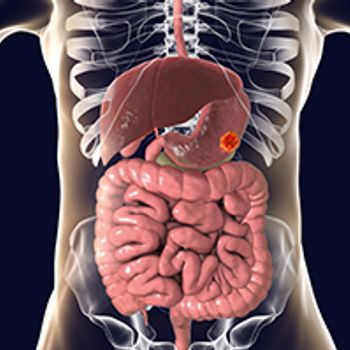
Patients with hepatocellular carcinoma with microvascular invasion who received FOLFOX through hepatic arterial infusion chemotherapy experienced improved disease-free survival rates compared with those who received no adjuvant treatment.