

Hyperthermic intraperitoneal chemotherapy plus interval cytoreductive surgery improved progression-free survival in stage III epithelial ovarian cancer.

Associate Editor, OncLive
Ashling Wahner joined MJH Life Sciences in 2022. She produces OncLive's podcast, OncLive On Air, and helps ensure timely publication of news content and announcements from the FDA approval pipeline. She also attends conferences live and virtually to conduct video interviews and produce written coverage. Email: [email protected]
Hyperthermic intraperitoneal chemotherapy plus interval cytoreductive surgery improved progression-free survival in stage III epithelial ovarian cancer.

Balazs Halmos, MD, discusses the FLAURA2 and MARIPOSA trials of EGFR TKIs plus chemotherapy in EGFR-mutated non–small cell lung cancer.

Selinexor is under investigation as monotherapy and in combination with the JAK inhibitor ruxolitinib in patients with JAK inhibitor–naive myelofibrosis.
Rona Yaeger, MD, discusses a study of second-line sotorasib plus panitumumab in patients with KRAS G12C–mutated colorectal cancer.

Talha Badar, MBBS, MD, discusses the FDA approval of ivosidenib for patients with myelodysplastic syndrome and the future management of this disease.
The FDA has granted priority review to trastuzumab deruxtecan for patients with unresectable or metastatic HER2-positive advanced solid tumors.
Adjuvant pembrolizumab generated a disease-free survival benefit vs observation in patients with muscle-invasive and locally advanced urothelial carcinoma.

Ritu Salani, MD, provides an overview of the variety of sessions presented at the 2024 SGO Winter Meeting.
Susan Marie Lang, MD, discusses real-world data on the incidence of ocular toxicities in patients with ovarian cancer receiving mirvetuximab soravtansine.

William Pearse, MD, discusses how the FDA approval of pirtobrutinib for relapsed/refractory mantle cell lymphoma has advanced BTK inhibitor treatment.
Talha Badar, MBBS, MD, discusses myelodysplastic syndrome risk stratification and the FDA approval of luspatercept for patients with this disease.
William Pearse, MD, discusses the roles of acalabrutinib and zanubrutinib in mantle cell lymphoma, as well as the adverse effect profiles of each agent.
Guillermo Garcia-Manero, MD, spotlights the evolution of oral azacitidine- and decitabine-based regimens for MDS.

Neoadjuvant botensilimab/balstilimab led to robust responses in both patients with resectable mismatch repair–proficient and –deficient colorectal cancer.

Lutetium Lu 177 dotatate plus octreotide significantly improved PFS vs high-dose octreotide in patients with gastroenteropancreatic neuroendocrine tumors.

Ashley Sumrall, MD, FACP, discusses ongoing research with the DRD2 dopamine receptor–targeted agent ONC201 in patients with H3K27M-mutated glioma.
Alessandra Ferrajoli, MD, discusses the research needs for describing the risk of hypertension linked with BTK inhibitors in chronic lymphocytic leukemia.

Davide Melisi, MD, PhD, discusses the potential of NALIRIFOX as a new first-line standard for patients with metastatic pancreatic ductal adenocarcinoma.

BRL-201 had a manageable safety profile and elicited early indications of efficacy in patients with relapsed/refractory non-Hodgkin lymphoma.
Sikander Ailawadhi, MD, spotlights the characteristics of multiple myeloma that drive the decision to use teclistamab-cqyv, elranatamab-bcmm, or talquetamab-tgvs.
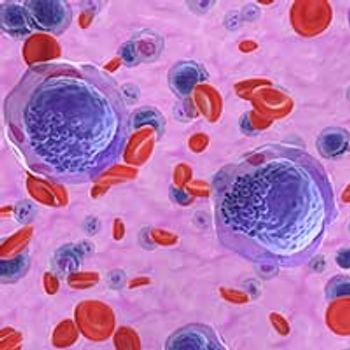
Asciminib demonstrated a favorable safety profile and induced statistically significant and clinically meaningful major molecular response benefits vs standard-of-care TKIs in patients with newly diagnosed, Philadelphia chromosome-positive chronic myeloid leukemia in chronic phase.
Iopofosine I 131 monotherapy elicited durable responses and was associated with a tolerable safety profile in patients with heavily pretreated, multi-class refractory Waldenström macroglobulinemia.
Sikander Ailawadhi, MD, discusses characteristics of myelofibrosis that influence decisions between JAK inhibitors, highlights differences between bispecific antibodies to consider when managing diffuse large B-cell lymphoma, and more.
Adjuvant treatment with pembrolizumab continued to induce a disease-free survival benefit vs placebo in patients with resected early-stage NSCLC, according to findings from the phase 3 PEARLS/KEYNOTE-091 trial.
A limited course of tremelimumab added to frontline durvalumab and chemotherapy provided a sustained overall survival benefit vs chemotherapy alone in patients with previously untreated metastatic non–small cell lung cancer.
The FDA has issued a complete response letter to the supplemental new drug application seeking the full approval of sotorasib for patients with KRAS G12C–mutated non–small cell lung cancer.
In case you missed it, here is a recap of the most popular episodes of OncLive On Air® from 2023.
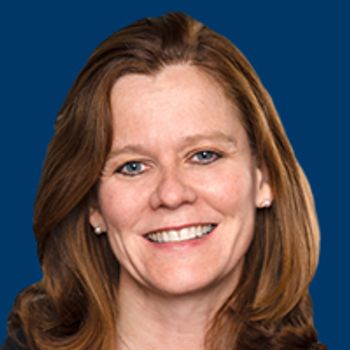
With perseverance, compassion, and energy, Ann H. Partridge, MD, MPH, has devoted her career to shrinking the gaps in research and care for young women with breast cancer and improving their outcomes and quality of life along the way.

Bupath highlights key points on the evolving standards of care in first- and second-line RCC; the role of PARP inhibitors in prostate cancer; and the potential uses for next-generation hormonal agents plus androgen deprivation therapy in frontline metastatic hormone-sensitive prostate cancer.

Alisertib as monotherapy and in combination with fulvestrant stands at the forefront of the clinical investigation of selective AURKA pathway inhibition in patients with endocrine-resistant advanced breast cancer, according to Tufia C. Haddad, MD.