

Treatment with CEE alone was associated with increased ovarian cancer incidence and mortality rates in postmenopausal women who had undergone hysterectomy.

Associate Editor, OncLive
Ashling Wahner joined MJH Life Sciences in 2022. She produces OncLive's podcast, OncLive On Air, and helps ensure timely publication of news content and announcements from the FDA approval pipeline. She also attends conferences live and virtually to conduct video interviews and produce written coverage. Email: [email protected]
Treatment with CEE alone was associated with increased ovarian cancer incidence and mortality rates in postmenopausal women who had undergone hysterectomy.

Patrick Ott, MD, PhD, discusses the investigation of cancer vaccines, highlighting the clinical implications of this treatment modality in melanoma.

Inavolisib/palbociclib/fulvestrant was granted FDA granted breakthrough therapy designation for PIK3CA-mutated, HR-positive/HER2-negative breast cancer.

TSP is a reliable marker of clinical outcome measures, including platinum chemoresistance, PFS, and OS, in high-grade serous ovarian cancer.

PF-07220060 plus endocrine therapy was tolerable and generated robust response rates in HR-positive, HER2-negative metastatic breast cancer.

Ipatasertib plus trastuzumab and pertuzumab as frontline maintenance therapy was effective and safe in PIK3CA-mutant, HER2-positive advanced breast cancer.

CAR T-cell therapy is effective and tolerable in patients with mantle cell lymphoma with secondary central nervous system involvement.
In case you missed any, below is a recap of every episode of OncLive On Air that aired in April 2024.
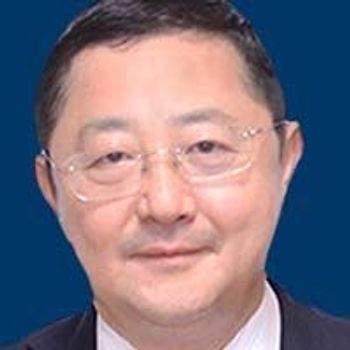
Repotrectinib has been approved by China’s National Medical Products Administration for the treatment of patients with ROS1-positive NSCLC.

Jubilee Brown, MD, highlights the RAS/MAPK pathway in low-grade serous ovarian cancer and research with avutometinib/defactinib that prompted RAMP 301.

The T-cell engager CX-904 had a favorable safety profile when administered as monotherapy in patients with advanced or metastatic solid tumors.

Naval G. Daver, MD, highlights ongoing research efforts in relapsed/refractory AML, including combination regimens and pathways targeted by novel agents.

Cytoreductive therapy with rIFNα or hydroxyurea is safe and well tolerated in patients with polycythemia vera under the age of 60 years.

Patients with CLL/SLL who received second-line venetoclax experienced monthly cost savings compared with those who received a second-line BTK inhibitor.

The European Medicines Agency has validated an application for nivolumab plus ipilimumab for frontline MSI-H/dMMR metastatic colorectal cancer.

Treatment with acalabrutinib-based regimens led to long-term benefits in patients with higher-risk CLL, across all lines of therapy.

Outcome improvements with lutetium Lu 177 vipivotide tetraxetan vs ARPI change favored prior treatment with abiraterone vs enzalutamide in mCRPC.

A phase 2 trial of stenoparib in advanced recurrent ovarian cancer has been closed early to enable a follow-on trial with FDA regulatory intent.

Erin Frances Cobain, MD, discusses unanswered questions regarding the use of ribociclib and immunotherapy in early-stage breast cancer.

Jonathan E. Rosenberg, MD, discusses how recent FDA approvals have revolutionized the treatment paradigm for locally advanced or metastatic bladder cancer.

A chemotherapy-free regimen of trastuzumab plus pertuzumab generated a strong 3-year iDFS rate in patients with HER2-positive early breast cancer.
The investigational therapy IGNK001 has received orphan drug designation from the FDA for patients with acute myeloid leukemia.
Erin Frances Cobain, MD, highlights the current role of endocrine therapy and CDK4/6 inhibitors in HR-positive, HER2-negative metastatic breast cancer.

Ying Liu, MD, MPH, and Tiffany Sia, MD, discuss the benefits of mainstreaming genetic testing in patients with ovarian cancer.

HER2 gene expression is associated with prognostic and predictive value in patients with metastatic colorectal cancer.

Sequential CD7 CAR T-cell therapy plus haploidentical HSCT without GVHD prophylaxis is effective and safe in CD7-positive hematologic malignancies.

The FDA has granted priority review to dostarlimab plus chemotherapy for all adult patients with primary advanced or recurrent endometrial cancer.

Cilta-cel has received approval from the European Commission for multiple myeloma that is relapsed or refractory to at least 1 prior line of therapy.

Premal Thaker, MD, MS, discusses how the RAMP-201 trial paved a way for the RAMP-301 trial of avutometinib/defactinib in low-grade serous ovarian cancer.
In case you missed any, below is a recap of every episode of OncLive On Air that aired in March 2024.