

A multi-omics approach to personalized therapy that incorporates information about actionable oncogenic drivers with critical biological data has demonstrated feasibility in patients metastatic breast cancer vs DNA sequencing alone.
A multi-omics approach to personalized therapy that incorporates information about actionable oncogenic drivers with critical biological data has demonstrated feasibility in patients metastatic breast cancer vs DNA sequencing alone.

February 11, 2021 - Lenvatinib in combination with everolimus has proven to be safe and effective when used in the treatment of patients with clear cell renal cell carcinoma who had previously received an immune checkpoint inhibitor.
February 10, 2021 - CPX-351 demonstrated improved overall survival at 5 years versus standard 7+3 chemotherapy in older patients with newly diagnosed high-risk or secondary acute myeloid leukemia.
January 29, 2021 - Amivantamab elicited high and sustained responses in pretreated patients with non–small cell lung cancer harboring EGFR exon 20 insertion mutations.

January 28, 2021 — Pembrolizumab in combination with chemotherapy continued to show improved overall survival and progression-free survival compared with chemotherapy alone in patients with previously untreated metastatic nonsquamous non–small cell lung cancer.

Single-agent pembrolizumab demonstrated durable antitumor activity among patients with treatment-naïve hepatocellular carcinoma, suggesting that the checkpoint inhibitor may have additional utility in this space, according to findings from a phase 2 trial presented during the 2021 Gastrointestinal Cancers Symposium.

December 10, 2020 - Frontline pembrolizumab plus chemotherapy for advanced triple-negative breast cancer demonstrated efficacy across key patient subgroups, including those with PD-L1 expression by combined positive score.

December 9, 2020 - Intrinsic tumor subtype was found to be associated with prognosis in patients with hormone receptor–positive, HER2-negative advance breast cancer who received the CDK4/6 inhibitor ribociclib.

Results reported from a group of patients with heavily pretreated multiple myeloma who were administered the combination of selinexor plus pomalidomide and low-dose dexamethasone produced positive responses and provided rationale for further investigation into the regimen.
December 5, 2020 - Patients with heavily pretreated multiple myeloma maintained durable responses with the chimeric antigen receptor T-cell therapy idecabtagene vicleucel in updated findings presented from the phase 1 CRB-401 trial.

Alterations in MET, RET, and NTRK have become established actionable drivers of oncogenesis in lung cancer, and therapeutics targeting these aberrations have since obtained regulatory approval from the FDA and have been incorporated into treatment guidelines.

Findings have shown that patients with cancer are at an increased risk of developing severe illness due to coronavirus disease 2019.

An acceptable safety profile coupled with pharmacokinetic and pharmacodynamic data for the DART molecule MGD019 were reported during the European Society for Medical Oncology Virtual Congress 2020 from results of a first-in-human study.

Safety and preliminary antitumor activity with the bispecific antibody RO7122290 alone or in combination with atezolizumab demonstrated preliminary antitumor activity and was safe for the treatment of patients with advanced solid tumors.

One preoperative injection of atezolizumab was considered safe and induced major pathological responses in select patients with resectable non–small cell lung cancer.

As the impact of the coronavirus disease 2019 pandemic lingers into the later part of 2020, consideration is needed regarding the lasting effects on patients with cancer who may have experienced delayed care or diagnosis.

Patients with advanced renal cell carcinoma who were treated with cabozantinib (Cabometyx) following both immunotherapy and non-IO regimens demonstrated promising responses.

Clinical outcomes in patients with recurrent ovarian cancer who were treated with niraparib plus bevacizumab were significantly improved when compared with niraparib alone.

Patients with chemotherapy-naïve, locally advanced or metastatic non–small cell lung cancer who were treated in the phase 2 CITYSCAPE trial with tiragolumab, an inhibitor of the immunomodulatory receptor TIGIT, plus and anti–PD-L1 agent demonstrated better efficacy versus single-agent checkpoint inhibitor therapy alone.
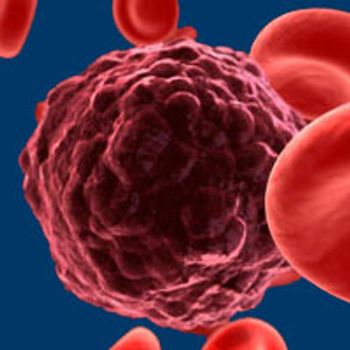
The first-in-clinic universal CAR T-cell therapy TruUCAR GC027 induced promising early response rates and demonstrated a manageable safety profile with no evidence of neurotoxicity events or graft-versus-host disease in adult patients with relapsed/refractory T-cell acute lymphoblastic leukemia.

Patients with pretreated non–small cell lung cancer and EGFR exon 20 insertions demonstrated a 68.7% disease control rate while on poziotinib systemic therapy.

A Working Group of the European Society for Medical Oncology has determined that a decision tree on the sequential use of different tests in immunotherapy decision-making cannot be a general one for all cancers but should be designed on the basis of the specific tumor type.
Newly approved and investigational agents are joining ruxolitinib for the treatment of myelofibrosis and may provide options for patients who progress or become intolerant to frontline JAK inhibitors.
The selective ROCK2 inhibitor KD025 induced clinical responses in approximately two-thirds of patients with chronic graft-versus-host disease, including complete responses in 3 patients.
Narsoplimab (OMS721) is advancing through the therapy pipeline as a novel treatment option for patients with transplant-associated thrombotic microangiopathy.

An “off-the-shelf” Epstein Barr-virus–specific cytotoxic lymphocyte CAR product derived from cells harvested from third-party donors induced a 100% response rate in adult and pediatric patients with relapsed/refractory non-Hodgkin lymphoma.
Early steroid intervention has the potential to reduce the severity of adverse events associated with axicabtagene ciloleucel in patients with refractory large B-cell lymphoma, according to an analysis of the phase I/II ZUMA-1 trial.
Iodine (131I) apamistamab (Iomab-B) conditioning induced a complete remission in 84% (31/38) of patients with active acute myeloid leukemia, who were then able to receive allogeneic hematopoietic stem cell transplant, according to preliminary results from the phase III SIERRA trial.

Ruxolitinib is an effective and well-tolerated treatment in the refractory setting for patients with chronic graft-versus-host disease, regardless of age.
Outpatient administration of CAR T-Cell therapy is safe and effective, according to an analysis of 3 studies of lisocabtagene maraleucel in patients with relapsed/refractory large B-cell lymphoma.