
Scott Tykodi, MD, PhD, discusses the FRACTION-RCC study and other novel combinations under exploration for heavily pretreated patients with advanced renal cell carcinoma.
Scott Tykodi, MD, PhD, discusses the FRACTION-RCC study and other novel combinations under exploration for heavily pretreated patients with advanced renal cell carcinoma.
Elena M. Stoffel, MD, MPH, discusses the importance of genetic testing in detecting Lynch syndrome and other hereditary syndromes associated with risk of colorectal cancer and other diseases.
Richard D. Kim, MD, discusses the potential of regorafenib plus nivolumab in patients with advanced colorectal cancer and the need for biomarkers to predict response to the regimen.
Kami Maddocks, MD, discusses the significance of the selinexor approval in the diffuse large B-cell lymphoma treatment paradigm, emerging strategies that seek to address unmet needs, and remaining sequencing questions.
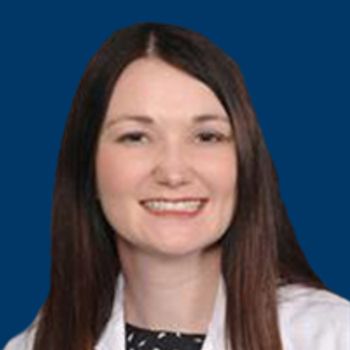
Amanda L. Jackson, MD, , discusses the role of PARP inhibitors in the maintenance treatment of patients with recurrent platinum-sensitive ovarian cancer.
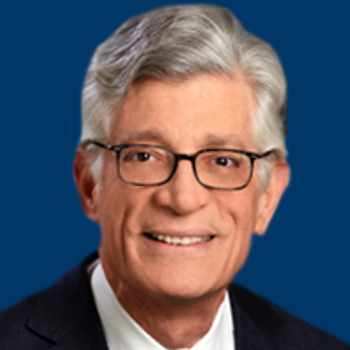
Randall A. Oyer, MD, shares key highlights from the Association of Community Cancer Centers National Oncology Conference, the future of virtual meetings in light of the coronavirus disease 2019 pandemic, and innovative efforts dedicated to improving cancer care.
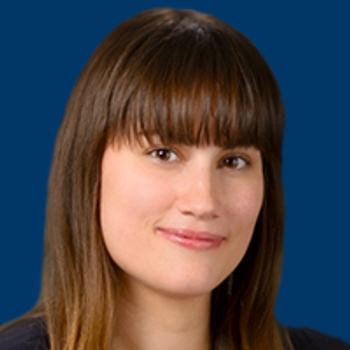
Elisabet E. Manasanch, MD, discusses novel BCMA-targeted modalities that are emerging in relapsed/refractory multiple myeloma.
Kelly Godby, MD, discusses novel triplet combinations and how they are leading the key developments made in the treatment of patients with relapsed/refractory multiple myeloma in recent years.
Joshua Richter, MD, discusses the importance of optimizing these novel therapies to make way for precision medicine in multiple myeloma.
Jennifer Cullen, MPH, PhD, discusses the genomic test as a predictor of outcomes in patients with unfavorable intermediate-risk prostate cancer and next steps for research.

Chetasi Talati, MD, discusses early results from a multicenter chart review examining treatment patterns and outcomes of patients with newly diagnosed AML who received venetoclax/HMA combinations in the real-world setting and the next phase of the ongoing research initiative.
Adjuvant endocrine therapy was found to be associated with improved overall survival in patients with hormone receptor–positive, ERBB2-negative, node-negative breast cancer with small but invasive tumors.
Axel Grothey, MD, explains the impact of tumor sidedness on treatment decisions and highlights novel later-line approaches that are under examination in colorectal cancer.
Venetoclax plus azacitidine led to a statistically significant prolongation of overall survival with a higher incidence of remission in treatment-naïve older patients with acute myeloid leukemia.
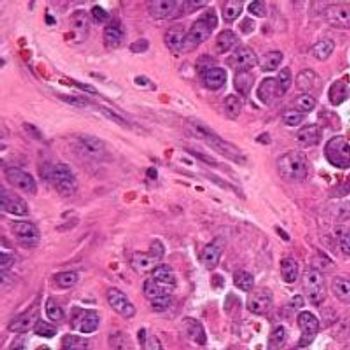
The overall use of chemotherapy in high-risk soft tissue sarcomas has been found to be significantly low.
Brian T. Hill, MD, PhD, sheds light on XPO1 as a target in diffuse large B-cell lymphoma, the emergence of selinexor in the treatment landscape, and exciting agents in the pipeline.
Sandy Wong, MD, discusses the ANDROMEDA trial, the need for further investigation of venetoclax, and research with anti-amyloid fibril drugs in light chain amyloidosis.

Rucaparib (Rubraca) demonstrated encouraging antitumor activity with a manageable safety profile in patients with BRCA-mutant metastatic castration-resistant prostate cancer.
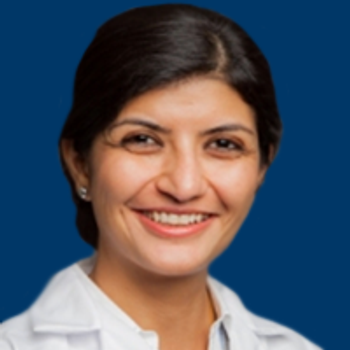
Pashna N. Munshi, MD, discusses the CAR T-cell therapies that have emerged in the lymphoma space and highlights the next steps for research with these products.
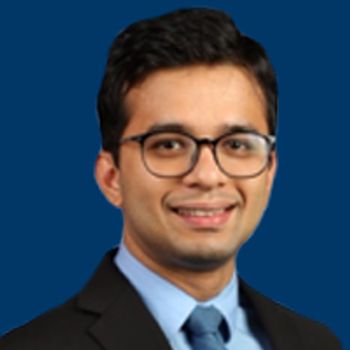
Smith Giri, MD, MHS, discusses the options available for transplant-ineligible patients with myeloma, the factors to consider to personalize treatment, and future directions in the field.
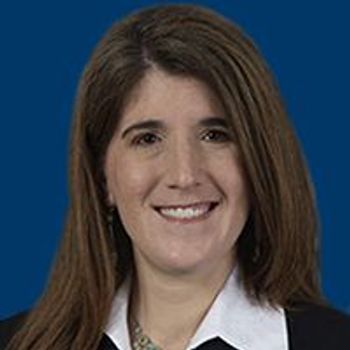
In an interview with OncLive, Kathleen Moore, MD, discusses the MIRASOL trial and the hope for mirvetuximab soravtansine in advanced high-grade epithelial ovarian, primary peritoneal, or fallopian tube cancers with high FRα expression.
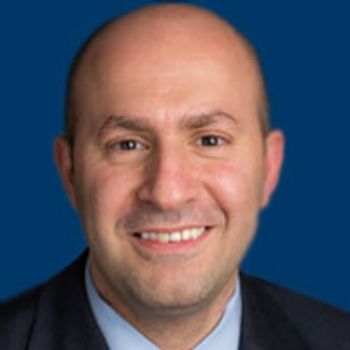
Toni K. Choueiri, MD, discusses the novel coronavirus disease, which continues to impact the care of patients with metastatic renal cell carcinoma and other cancers in a multitude of ways.

Thorvardur (Thor) Halfdanarson, MD, discusses novel approaches under investigation in the later-line treatment of patients with CRC.
Rutika J. Mehta, MD, MPH discusses key updates in gastric and gastroesophageal junction management, trials of interest, and the importance of testing for biomarkers.
Quoc-Dien Trinh, MD, discusses the impact of the COVID-19 pandemic on prostate cancer treatment and factors that are considered to inform treatment decisions.
Guru P. Sonpavde, MD, discusses several trials in the field of first-line metastatic urothelial cancer that are testing combinations with gemcitabine/platinum-based therapy followed by maintenance avelumab.

Luteinizing hormone-releasing hormone agonists were found to often be administered later than the scheduled dosing used in patients with prostate cancer on pivotal clinical trials, leading to late testosterone values being greater than 20 ng/dL and the mean testosterone level almost doubling castration level.
In prostate cancer, investigators have revealed a link between disease progression and the severity of splicing dysregulation, as well as establishing intron retention as an indicator of prostate cancer stemness and aggressiveness.
Peter Martin, MD, provides an overview of what the current MCL treatment paradigm looks like as well as areas of future exploration and debate.
Mohammed M. Milhem, MBBS, discusses the promise of the AST-008 combination in patients with Merkel cell carcinoma and CSCC who do not achieve a response with PD-1 inhibitors alone.