
Christian U. Blank, MD, PhD, discusses the promise of neoadjuvant ipilimumab/nivolumab and research efforts examining interferon-gamma signature and tumor mutational burden as potential predictors of response.
Christian U. Blank, MD, PhD, discusses the promise of neoadjuvant ipilimumab/nivolumab and research efforts examining interferon-gamma signature and tumor mutational burden as potential predictors of response.
CDK4/6 inhibitors alone and/or in combination with HER2-directed therapies have been shown to elicit encouraging response rates and inhibit the growth of the cancer cells in HER2-positive breast cancer.
David R. Spigel, MD, discusses the Fostering Excellence in Care and Outcomes in Patients with Stage III and IV NSCLC initiative, analyzes the survey data, and next steps for the research.
Paul J. Shaughnessy, MD, discusses how CAR T-cell therapy is being utilized in hematologic malignancies, challenges faced with this modality, and ongoing research efforts being made to better leverage its use.
Findings from an ongoing, multicenter, phase 2 study identified an alternative treatment to dose intense chemotherapy through dose-adjusted etoposide, prednisone, vincristine, cyclophosphamide, doxorubicin, and rituximab for adults with untreated Burkitt lymphoma and diffuse large B-cell lymphoma.

Pembrolizumab was found to prolong survival in patients with advanced melanoma, regardless of BRAF V600E/K mutation status or prior administration of a BRAF inhibitor with or without a MEK inhibitor.

Tafasitamab plus lenalidomide followed by tafasitamab monotherapy was confirmed to induce durable responses and a clinically meaningful overall survival benefit in patients with relapsed/refractory diffuse large B-cell lymphoma.
The pivotal phase 3 ATHENA trial, which will examine the safety and efficacy of rucaparib in combination with nivolumab as maintenance treatment following response to front-line platinum-based chemotherapy in patients with advanced epithelial ovarian, fallopian tube, or primary peritoneal cancer, has completed target enrollment.
A 73-gene proliferative transcriptomic signature was found to better predict overall survival outcomes and potentially be used to personalize treatment in patients with uterine serous carcinoma.
Experts share their insight on the efficacy and safety of trastuzumab deruxtecan in the gastric cancer space.
Adam M. Brufsky, MD, PhD, further discusses the utility of trastuzumab deruxtecan in HER2-positive breast cancer, ongoing research efforts examining the antibody–drug conjugate, and how he approaches sequencing in the paradigm.
Othman Al-Sawaf, MD, discusses the data from the CLL14 trial with obinutuzumab/venetoclax and the benefits of a fixed-dose treatment in select patients with chronic lymphocytic leukemia.
Heather Han, MD, discusses ongoing clinical trials within the field of HER2-positive breast cancer and the future of personalized treatment for this patient population.
In light of the COVID-19 pandemic, many elective surgical procedures had been cancelled or rescheduled to maximize hospital capacity and prevent unnecessary exposure for patients, but surgical delays might lead to worse outcomes for certain patients with gastrointestinal cancers.
The combination of pepinemab and avelumab was found to be well tolerated and demonstrated initial signals of antitumor activity in patients with advanced stage, non–small cell lung cancer.
Ziad Bakouny, MD, MSc, discusses the controversy behind the use of cytoreductive nephrectomy in metastatic renal cell carcinoma, factors to consider when selecting patients for this approach, and ongoing trials examining remaining questions in the field.
Ian E. Krop, MD, PhD, discusses the pivotal data from the DESTINY-Breast01 trial, the need for longer-term follow-up with trastuzumab deruxtecan, and the proper management of interstitial lung disease.
Andrew L. Coveler, MD, discusses the early-phase data with AMG 510 and AbGn-107 in gastrointestinal malignancies.
Brian Czerniecki, MD, PhD, discusses how patients with metastatic HER2-positive breast cancer who later develop central nervous system metastases comprise a large population of all patients with breast cancer, and there continue to be an unmet need for this subgroup.
A possible optimal sequence of radiation therapy and immune checkpoint inhibitors could help to prolong the survival of patients with melanoma who have brain metastases following surgical resection.
Julie R. Brahmer, MD, discusses the details of the DESTINY-Lung01 trial, as well as remaining questions that could be answered with further research.
Manish R. Patel, DO, further discusses next steps for entrectinib, as well as the need for genetic testing to identify uncommon gene rearrangements in GI malignancies.
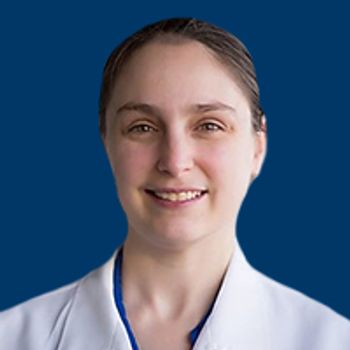
Natalie Sophia Grover, MD, discusses ongoing research with CAR T-cell therapy in hematologic malignancies, efforts examining the potential for this approach in solid tumors, and future directions and challenges with this modality.
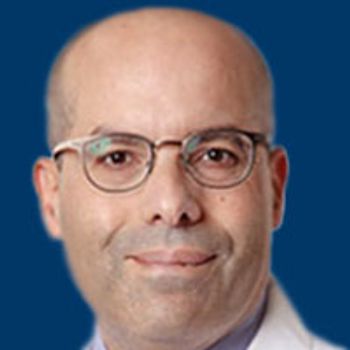
Marwan G. Fakih, MD, discusses the June 2020 FDA approval of pembrolizumab for use in select patients with unresectable or metastatic solid tumors that are tumor mutational burden–high provides a potentially life-saving option to those who have exhausted all other available therapies.
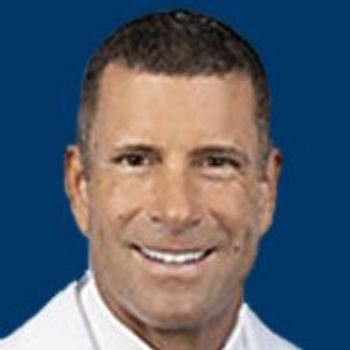
R. Lor Randall, MD, FACS, discusses the need for multidisciplinary collaboration in GCTB, challenges faced in the space, and directions for future research efforts.
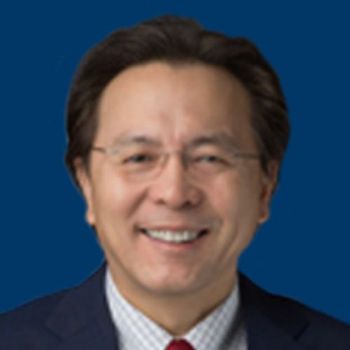
Michael Wang, MD, further discusses data regarding the pharmacological profile of KTE-X19, the significance of these findings, and the next steps for this research.
Sagar Lonial, MD, FACP, discusses the updated data from DREAMM-2 with belantamab mafodotin, associated toxicities to be aware of, and future directions for research.
Sylvia Adams, MD, discusses the cohort 36 findings of the DART trial in metaplastic breast cancer and the evolution of immunotherapy, specifically in this rare breast cancer subtype.
Jesus G. Berdeja, MD, further discusses other exciting trials in multiple myeloma and CAR T therapy being presented at the 2020 ASCO Virtual Scientific Program.
Nancy U. Lin, MD, discusses the updated data from the HER2CLIMB trial and underscored the need for future clinical trials that include patients with brain metastases to help fill the unmet need in the HER2-positive space.