
Reza Mehrazin, MD, discusses the need for more research before determining the role of cytoreductive nephrectomy in an era of immunotherapy and targeted therapy.
Reza Mehrazin, MD, discusses the need for more research before determining the role of cytoreductive nephrectomy in an era of immunotherapy and targeted therapy.
Chung-Han (Joe) Lee, MD, PhD, discussed advancements in metastatic renal cell carcinoma regarding combination regimens and ongoing questions of how to treat patients upon disease progression.
Single-agent cisplatin did not lead to significantly higher pathologic complete response rates or improved residual cancer burden scores compared with doxorubicin plus cyclophosphamide in the neoadjuvant setting for patients with stage I to III HER2-negative breast cancer who harbor BRCA mutations.
Benjamin Leon Musher, MD, discusses sequencing challenges and research efforts needed regarding immunotherapy in hepatocellular carcinoma before it becomes a standard approach for patients.
Madan Jagasia, MBBS, MS, MMHC, discusses the current treatment landscape and next steps in graft-versus-host-disease.
Marc J. Braunstein, MD, PhD, expands on the 3- and 4-drug regimens that are showing promise in the multiple myeloma paradigm.
An ongoing clinical trial will assess whether the adjuvant combination of the personalized cancer vaccine mRNA-4157 and pembrolizumab improves recurrence-free survival compared with pembrolizumab alone in patients with complete resection of cutaneous melanoma and a high-risk of recurrence.
The use of moderately hypofractionated radiation therapy demonstrated no statistically significant differences in functional outcomes compared with conventionally fractionated radiation therapy, further cementing hypofractionated radiation therapy as a standard approach for patients with nonmetastatic prostate cancer.

The neoadjuvant combination of pembrolizumab plus chemotherapy led to a higher pathological complete response rate compared with placebo/chemotherapy in patients with early triple-negative breast cancer, across various patient subgroups.
Routine cervical screening, conducted every 3 years, was found to reduce the incidence of stage I and stage II+ cervical cancers by 48% and 83%, respectively.
Andrew Yee, MD, reflects on recent clinical trials in multiple myeloma that focused on novel multidrug regimens.
In an effort to make the use of laparoscopic power morcellators a safer and more effective choice in gynecologic surgeries, the FDA has released a statement that it will be putting a handful of strategies and recommendations in place.
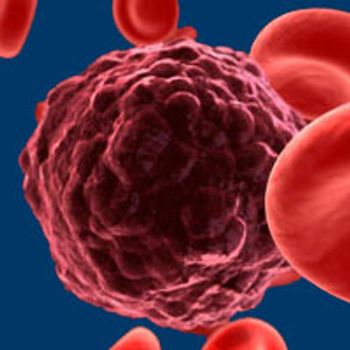
Gemtuzumab ozogamicin in combination with intensive induction therapy was associated with a higher early death rate compared with induction therapy alone in patients with NPM1-mutated acute myeloid leukemia.

Neoadjuvant and concurrent androgen-deprivation therapy (ADT) with dose-escalated prostate radiotherapy (PRT) and concurrent and adjuvant ADT plus dose-escalated PRT were found to have no statistically significant differences in biochemical relapse-free survival in patients with localized prostate cancer, according to results of a phase III trial.
Dimitrios Tzachanis, MD, PhD, discusses updates and remaining questions with CAR T-cell therapy.

Osimertinib, at 160 mg daily, demonstrated efficacy in the central nervous system and a manageable safety profile in patients with EGFR-mutant advanced non–small cell lung cancer who have leptomeningeal metastases.

Sara Tolaney, MD, MPH, reflects on the encouraging findings observed with CDK4/6 inhibitors in combination with endocrine therapy in the treatment of patients with hormone receptor-positive, HER2-negative breast cancer.
Ronald Natale, MD, expands on the recent developments with immunotherapy in advanced non–small cell lung cancer.
Jean Lopategui, MD, reflects on the use of molecular testing for patients with non–small cell lung cancer.

Adjuvant treatment with ipilimumab, when given at a 3-mg/kg dose, was found to improve overall survival compared with high-dose interferon alfa in patients with high-risk melanoma.

Eileen O’Reilly, MD, reflects on the treatment advances that are expanding the pancreatic cancer paradigm.
Diane Simeone, MD, discusses recent data on neoadjuvant and adjuvant therapy for patients with locally advanced or resectable pancreatic cancer, and questions surrounding germline testing for earlier identification of this disease.
Oncology practices that are participating in the Centers for Medicare & Medicaid Innovation’s Oncology Care Model are willing to take on two-sided risk with value-based care and shift from a fee-for-service approach.
Treatment with a CD19-targeted CAR-natural killer–cell therapy led to a 73% objective response rate, including 7 complete responses, in patients with relapsed/refractory non-Hodgkin lymphoma and chronic lymphocytic leukemia.
Patients with high-risk lung cancer who underwent volume CT screening had a significantly lower lung cancer mortality compared with those who were not screened.
The presence of circulating tumor cell was found to be independently associated with relapse in patients with stage III melanoma, suggesting that CTC assessment may be useful in identify patients who are at risk for relapse and could benefit from adjuvant therapy.
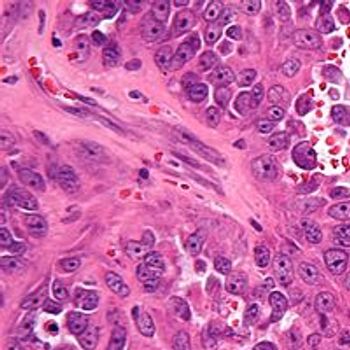
Pathological fractures in adult patients with high-grade osteosarcoma of the extremities potentially correlates with inferior overall survival.
Lee Schwartzberg, MD, FACP, advocates for the increased use of biosimilars in oncology and discusses the benefits of these agents for patients and providers.
Eileen Connolly, MD, PhD, reflects on novel radiation techniques, as well as ongoing research and challenges with radiation therapy in breast cancer.
Benjamin P. Levy, MD, discusses the next steps with liquid biopsies in non–small cell lung cancer and its broader use in oncology.