
The FDA has granted an orphan drug designation to evorpacept, a next-generation CD47 blocker, for use as a potential therapeutic option for patients with acute myeloid leukemia.

Managing Editor, OncLive®
Caroline Seymour is your initial point of contact for the OncLive® podcast, OncLive On Air™. She joined the company in 2018 as an assistant editor, with expertise in video production and print/digital publication. Email: cseymour@onclive.com
The FDA has granted an orphan drug designation to evorpacept, a next-generation CD47 blocker, for use as a potential therapeutic option for patients with acute myeloid leukemia.

Neoadjuvant treatment with durvalumab plus platinum-based chemotherapy led to a statistically significant improvement in pathologic complete response and major pathologic response compared with chemotherapy alone in patients with resectable non–small cell lung cancer, according to findings from a planned interim analysis of the phase 3 AEGEAN trial.

The addition of durvalumab to gemcitabine and cisplatin demonstrated an improvement in overall survival vs gemcitabine and cisplatin plus placebo as frontline therapy in patients with advanced biliary tract cancer, regardless of primary tumor location.
The novel and highly selective CDK9 inhibitor GFH009 demonstrated encouraging tolerability in patients with advanced, relapsed/refractory acute myeloid leukemia and lymphoma.

The addition of the HER2-Vaxx vaccine to standard-of-care chemotherapy led to a significant improvement in overall survival vs SOC chemotherapy alone in patients with HER2-neu overexpressing advanced and metastatic gastric and gastroesophageal junction cancer.

The European Medicines Agency’s Committee for Medicinal Products for Human Use has recommended the approval of olaparib for the adjuvant treatment of patients with germline BRCA-mutated, HER2-negative, high-risk, early breast cancer who have received neoadjuvant or adjuvant chemotherapy.

The FDA has approved lisocabtagene maraleucel as second-line therapy for adult patients with large B-cell lymphoma, including diffuse large B-cell lymphoma not otherwise specified, high-grade B-cell lymphoma, primary mediastinal large B-cell lymphoma, and follicular lymphoma grade 3B.
The European Medicines Agency’s Committee for Medicinal Products for Human Use has recommended granting marketing authorization for asciminib for the treatment of adult patients with Philadelphia chromosome–positive chronic myeloid leukemia in chronic phase who were previously treated with at least 2 TKIs.

Treatment with the combination of cobolimab and dostarlimab led to an overall objective response rate and immune-related ORR of 42.9% consisting of all partial responses in patients with advanced or metastatic melanoma.

HPN328, a novel half-life extended DLL3-targeting T-cell engager, demonstrated clinical activity and tolerability in patients with pretreated small cell lung cancer and other neuroendocrine tumors, according to findings from a phase 1/2 study (NCT04471727).

The United Kingdom’s Medicines and Healthcare Products Regulatory Agency accepted for review the marketing authorization application for aumolertinib for the first-line treatment of adult patients with locally advanced or metastatic non–small cell lung cancer with activating EGFR mutations and locally advanced/metastatic EGFR T790M mutation–positive non–small cell lung cancer.

The European Commission has approved capmatinib as a single agent for the treatment of patients with MET exon14 skipping–altered advanced non–small cell lung cancer who require systemic therapy following prior treatment with immunotherapy and/or platinum-based chemotherapy.

The FDA has granted an orphan drug designation to paxalisib for use as a potential therapeutic option for patients with atypical rhabdoid and teratoid tumors, a rare and highly aggressive pediatric brain cancer.
The European Medicines Agency has verified its type II variation application to extend the indication for lisocabtagene maraleucel to include the treatment of adult patients with diffuse large B-cell lymphoma, high grade B-cell lymphoma, primary mediastinal large B-cell lymphoma, and grade 3B follicular lymphoma, who are refractory or have relapsed within 12 months of initial therapy and are candidates for hematopoietic stem cell transplant.

Adding talimogene laherparepvec to pembrolizumab led to encouraging responses with a manageable safety profile in patients with advanced melanoma who progressed on prior anti–PD-1 therapy, most notably in the adjuvant setting, according to findings from the phase 2 MASTERKEY-115 trial.

Duvelisib and oral azacitidine are each being studied in combination with CHOP/CHOEP chemotherapy in patients with previously untreated CD30-negative peripheral T-cell lymphoma in the randomized phase 2 Alliance A059102 trial.
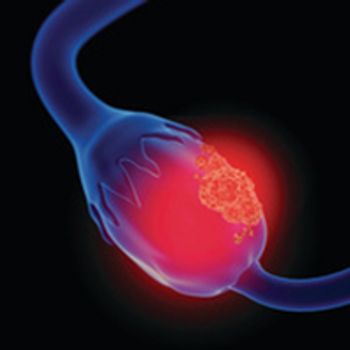
The combination of abemaciclib and fulvestrant led to encouraging responses when used as neoadjuvant therapy which translated to high complete gross resection rates in patients with advanced, low-grade serous ovarian, fallopian tube, and peritoneal carcinoma.
The bispecific antibody REGN5458 elicited rapid responses that were further characterized by their depth, durability, and low incidence of cytokine release syndrome in patients with relapsed/refractory multiple myeloma.

The combination of talquetamab and daratumumab led to early onset and durable responses that deepened over time in patients with heavily pretreated multiple myeloma, most of whom were anti-CD38 refractory, according to findings from the phase 1b TRIMM-2 study.

Decitabine demonstrated a comparable overall survival and rate of hematopoietic stem cell transplant in addition to a lower incidence of adverse effects vs induction chemotherapy with daunorubicin and cytarabine in older patients at least 60 years of age with acute myeloid leukemia.
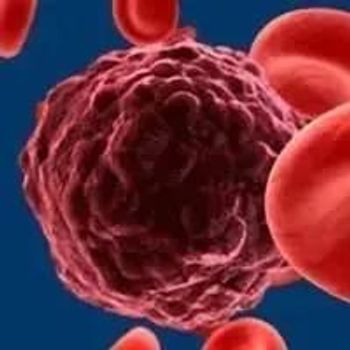
The combination of the PD-1 antibody sintilimab and decitabine elicited potent clinical activity and manageable safety with no grade 4 or 5 treatment-related adverse effects as frontline therapy in patients with higher-risk myelodysplastic syndrome, according to preliminary results from a phase 2 trial.
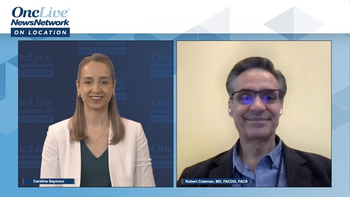
OncLive® will be LIVE with OncLive® News Network: On Location at the 2022 ASCO Annual Meeting. Each day, we will broadcast a series of interviews with top thought leaders, to learn their thoughts and reactions to data presented across oncology during the conference.

FOLFOXIRI plus bevacizumab led to a significant improvement in progression-free survival, objective response rate, and R0/1 resections vs FOLFOX/FOLFIRI plus bevacizumab but resulted in increased toxicity in patients with initially unresectable colorectal cancer liver metastases and right-sided and/or RAS- or BRAF V600E–mutated primary tumors.
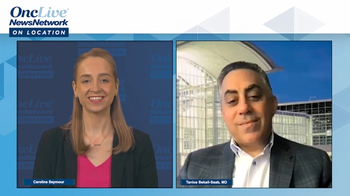
OncLive® will be LIVE with OncLive® News Network: On Location at the 2022 ASCO Annual Meeting. Each day, we will broadcast a series of interviews with top thought leaders, to learn their thoughts and reactions to data presented across oncology during the conference.
The combination of lenalidomide (Revlimid), bortezomib, and dexamethasone (RVd) plus autologous stem cell transplant as initial therapy followed by lenalidomide maintenance demonstrated a significant improvement in progression-free survival vs RVd alone followed by lenalidomide maintenance in patients with newly diagnosed multiple myeloma.
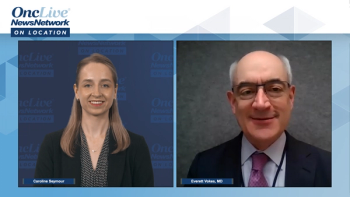
OncLive® will be LIVE with OncLive® News Network: On Location at the 2022 ASCO Annual Meeting. Each day, we will broadcast a series of interviews with top thought leaders, to learn their thoughts and reactions to data presented across oncology during the conference.

SOT101 alone and in combination with pembrolizumab demonstrated a favorable safety profile with no additional toxicities reported and promising efficacy among patients with advanced solid tumors, according to findings from the phase 1 AURELIO-03 trial.
Brentuximab vedotin plus doxorubicin, vinblastine, and dacarbazine demonstrated a significant reduction in the risk of death vs doxorubicin, bleomycin, vinblastine, and dacarbazine, with a manageable safety profile consistent with prior findings in patients with previously untreated stage III/IV classical Hodgkin lymphoma.

Nurix Therapeutics has initiated an ongoing phase 1 trial to examine NX-2127, an immunomodulatory oral BTK inhibitor, in patients with chronic lymphocytic leukemia.
The FDA has approved the biologics license application for pegfilgrastim-pbbk, a biosimilar referencing Neulasta for the treatment of neutropenia.