
Lisocabtagene maraleucel demonstrated durable responses and a favorable safety profile in patients with relapsed/refractory large B-cell lymphoma.

Managing Editor, OncLive®
Caroline Seymour is your initial point of contact for the OncLive® podcast, OncLive On Air™. She joined the company in 2018 as an assistant editor, with expertise in video production and print/digital publication. Email: [email protected]
Lisocabtagene maraleucel demonstrated durable responses and a favorable safety profile in patients with relapsed/refractory large B-cell lymphoma.

Manojkumar Bupathi, MD, MS, shares the main highlights from the meeting, which centered on frontline, second, and later-line treatment of metastatic urothelial carcinoma and metastatic renal cell carcinoma.
The combination of cabozantinib and atezolizumab led to a statistically significant improvement in progression-free survival and a numerical improvement in overall survival vs sorafenib as frontline treatment in patients with advanced hepatocellular carcinoma, according to findings from the first planned analysis of the phase 3 COSMIC-312 trial.

The FDA has granted a priority review designation to a biologics license application for betibeglogene autotemcel for the treatment of adult, adolescent, and pediatric patients with β-thalassemia across all genotypes who require regular red blood cell transfusions.
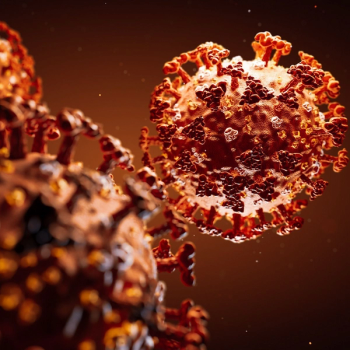
Three doses of the SARS-CoV2 vaccine were shown to be safe and effective in patients with lung cancer, particularly in those with minimal serologic response after receiving only 2 doses.
Corey S. Cutler, MD, MPH, FRCPC, discusses the diagnostic and treatment landscape of chronic graft-vs-host disease.
Molecular markers, risk, and response are being used to better tailor escalated and de-escalated treatment approaches for women with breast cancer.
For patients with advanced clear cell renal cell carcinoma, it will be of utmost importance to recognize the variation in response and type of progression with first-line therapy, the patient’s characteristics and motivations, and the promise of new agents and combinations.
Luis E. Raez, MD, FACP, FCCP, discusses frontline immunotherapeutic options in NSCLC, management strategies for patients with stage III disease, targeted approaches for patients with EGFR- and ALK-positive NSCLC, and how the field of SCLC is navigating newly available therapies.

The innate cell engager AFM24 showed greater efficacy in eliciting antibody-dependent cellular phagocytosis of EGFR wild-type and KRAS-mutant tumor cells compared with cetuximab.
Although BCMA-directed CAR T-cell therapy has shown early and deep responses in patients with relapsed/refractory multiple myeloma, there is much more to learn about optimal cytokine release syndrome and neurotoxicity management and treatment sequencing, particularly as off-the-shelf T-cell therapies, bispecific antibodies, and non–BCMA-directed therapies become available.
The small molecule drug conjugate PEN-221 was generally well tolerated and elicited significant clinical benefit in patients with pretreated gastrointestinal neuroendocrine tumors.
A phase 0 trial that will evaluate niraparib in patients with newly diagnosed glioblastoma and recurrent glioma has just opened.

The treatment algorithm in metastatic colorectal cancer has gone from accounting only for the sidedness of the primary tumor, performance status, volume of disease, and potential resectability to also include the genetics of the tumor, particularly for patients in need of second-line therapy.
Marjorie G. Zauderer, MD, previews some of the new approaches in mesothelioma.

The identification of prognostic markers at diagnosis in chronic lymphocytic leukemia is critical, says Deborah M. Stephens, DO, who explains that the results of testing for these markers can be used to educate patients on their prognosis, tailor therapy accordingly, and enroll eligible patients on clinical trials.
Sequential radiotherapy demonstrated preliminary efficacy and safety as a potential alternative to systemic therapy in patients with oligometastatic renal cell carcinoma.
Incidence of pancreatic cancer incidence rose overall from 2000 to 2018, with a significant increase in women younger than 55 years, especially those aged 15 to 35 years.

Routine computed tomography-based imaging scans identified abnormal ground-glass opacities and infiltrates indicative of COVID-19 in patients with lung cancer undergoing radiation therapy, enabling earlier diagnosis, treatment, and risk reducing measures.

Melissa Johnson, MD, discusses highlights from the 2021 ESMO Congress.
Treatment with ruxolitinib was not found to carry an increased risk of secondary malignancies in patients with polycythemia vera.

The randomized FORTE/NRG-CC005 trial, which is evaluating the frequency of surveillance colonoscopy in individuals with a first-time presentation and removal of 1 to 2 small, benign polyps, has been launched.
We spotlight key data presented during the 2021 ESMO Congress in kidney cancer, prostate cancer, and bladder cancer.
Alexander J. Stratigos, MD, PhD, discussed the effect cemiplimab will have on the treatment landscape of patients with advanced BCC.
Concurrent use of tumor-treating fields, radiation therapy, and temozolomide is under study as a potential treatment for patients with newly diagnosed, stage IV glioblastoma.
Jonathan A. Chatzkel, MD, discusses updates in first-line treatment options for metastatic urothelial cancer, as well as recommended treatments for patients with previously treated, locally advanced or metastatic urothelial cancer, and also newly diagnosed metastatic renal cell carcinoma.
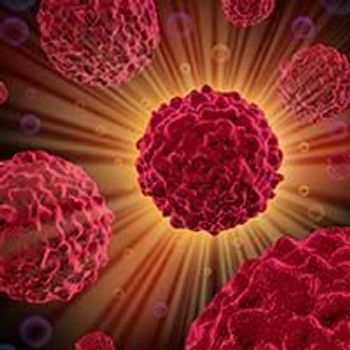
The presence of at least 1 mutation captured by next-generation sequencing was associated with a shorter time to first treatment among patients with newly diagnosed chronic lymphocytic leukemia, particularly those with mutations in POT1, ATM, FBXW7, and MYD88 genes.

An upgraded model of the clonoSEQ® B-cell Clonality diagnostic tool has been released, which will now include IGHV mutation status for patients with chronic lymphocytic leukemia.
The availability of chemoimmunotherapy combinations and targeted agents for common and rare mutations alike in non–small cell lung cancer has fostered discussions that might have been unthinkable just a decade or so ago.

Alexander I. Spira, MD, PhD, FACP, discusses impactful data from the 2021 ESMO Congress in lung cancer.