

The risk of cancer-specific death was significantly higher than the risk of noncancer death in patients with neuroendocrine tumors, despite the reported heterogeneity by primary tumor site.

Managing Editor, OncLive®
Caroline Seymour is your initial point of contact for the OncLive® podcast, OncLive On Air™. She joined the company in 2018 as an assistant editor, with expertise in video production and print/digital publication. Email: [email protected]
The risk of cancer-specific death was significantly higher than the risk of noncancer death in patients with neuroendocrine tumors, despite the reported heterogeneity by primary tumor site.

Biomarkers of response to immunotherapy, characterized by high interferon signaling and expression of MHC-II related genes, predicted for improved survival in patients with advanced hepatocellular carcinoma following immediate treatment with a PD-1 inhibitor but not in those who had first received treatment with a TKI.
Genomic-adjusted radiation dose demonstrated a significant association with time to first recurrence and overall survival in patients with certain solid tumors who had been treated with radiation therapy, indicating that genomics should be used to guide radiation dosing decisions.
An increase in the use of concurrent chemoradiation followed by durvalumab was found in patients with stage III non–small cell lung cancer who were treated at 3 Dutch centers in The Netherlands between 2015 and 2019.

The FDA has approved zanubrutinib for the treatment of adult patients with Waldenström macroglobulinemia.
The addition of venetoclax to daratumumab, bortezomib, and dexamethasone or daratumumab and dexamethasone alone led to a response rate of more than 90% in patients with relapsed/refractory multiple myeloma, which proved durable in the majority of patients, particularly those with t(11;14) translocation.
Co-occurring focal 22q11.22 deletions and IKZF1 alterations were associated with inferior outcomes vs IKZF1 alterations alone in pediatric patients with B-cell acute lymphoblastic leukemia.
Nivolumab followed by tumor-infiltrating lymphocyte therapy and maintenance nivolumab demonstrated a suitable safety profile and antitumor activity in patients with metastatic non–small cell lung cancer.
Six-months of adjuvant androgen suppression plus 74 Gy or 78 Gy of concurrent external-beam radiation led to a statistically significant improvement in event-free survival and disease-free survival but failed to improve distant metastasis-free survival and overall survival vs external-beam radiation alone in patients with intermediate-risk prostate cancer.

When imagining a champion of change, one can easily point to Laura J. van ’t Veer, PhD, the 2020 Giants of Cancer Care® award winner in Cancer Diagnostics, as a prime example.
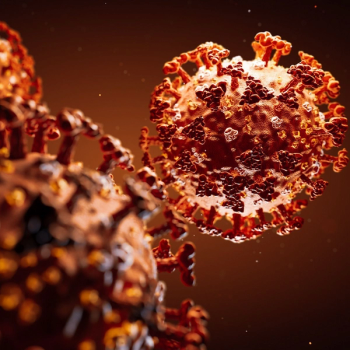
Computed tomography-based image guidance during radiation therapy could be a method of identifying patients who require a complete workup for COVID-19.

Palbociclib plus ruxolitinib led to normalized blood leukocyte counts, reduced splenomegaly, and significantly improved bone marrow fibrosis in JAK2 V617F and MPLW515L mouse models of myelofibrosis, suggesting that the combination could provide therapeutic benefit to patients with the malignancy.

Krina K. Patel, MD, MSc, discusses the use of CAR T-cell therapy in multiple myeloma, potential target antigens beyond BCMA, the rich research landscape, and the role of quadruplets and radiation therapy.
Zandelisib plus rituximab is being evaluated as a potentially chemotherapy-free treatment strategy vs standard chemoimmunotherapy in patients with indolent non-Hodgkin lymphoma in first relapse in the ongoing, phase 3 COASTAL trial.

Antiandrogen agents, PARP inhibitors, and prostate-specific membrane antigen-directed therapy have broadened the armamentarium in prostate cancer.
The first participants from the United States have been dosed with LUT014, a novel, topical BRAF inhibitor in a phase 2 trial that is evaluating the agent in patients with metastatic colorectal cancer who have developed dose-limiting acneiform lesions following treatment with an EGFR inhibitor.

Noa Biran, MD, discusses her predictions for where the field of multiple myeloma is headed as well as some of these agents that have generated excitement for patient populations that are currently an unmet need.
Refining treatment is not only a key aim of research in breast cancer but a greater possibility in the clinic with neoadjuvant and adjuvant PARP inhibitors, HER2 monoclonal antibodies, and greater stratification of genomic risk.
The novel agents olutasidenib, brexucabtagene autoleucel, and ponatinib demonstrated encouraging data at the 2021 ASCO Annual Meeting in leukemias, renewing hope in the ability to salvage patients with relapsed/refractory disease.

The 2021 ASCO Annual Meeting was chock full of practice-changing, practice-affirming, and exciting preliminary research in non–small cell lung cancer, said Melissa Johnson, MD.
Significant advances have been made regarding the development of KRAS G12C inhibitors in non–small cell lung cancer in recent years, explained Karen L. Reckamp, MD, who added that research regarding predictive co-mutations, acquired resistance, and combination strategies is expected to propel the utility of these agents even further.

Neoadjuvant and adjuvant treatment with CDK4/6 inhibitors has shown encouraging preliminary evidence in patients with estrogen receptor–positive, HER2-negative breast cancer, but confirmation of durable benefit is needed in the adjuvant setting before they are brought into routine clinical practice.

Harmeet S. Bedi, MD, discusses the important role of pulmonologists in the diagnosis and management of patients with lung cancer.

Ardaman Shergill, MD, discussed the use of EGFR inhibitors in metastatic colorectal cancer and advantages of expanded dosing indications.

Insights generated from several trials presented during the 2021 ASCO Annual Meeting in renal cell carcinoma illustrate the importance of evaluating checkpoint inhibitors in earlier stages of disease, quality of life, and long-term outcomes, and other data that point to 2 potential new standards of care in prostate cancer.
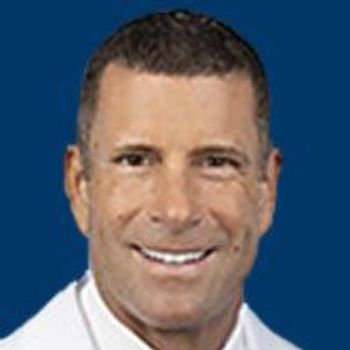
R. Lor Randall, MD, FACS, discusses the advantages of rotationplasty for oncologic and non-oncologic indications in children and young adults.
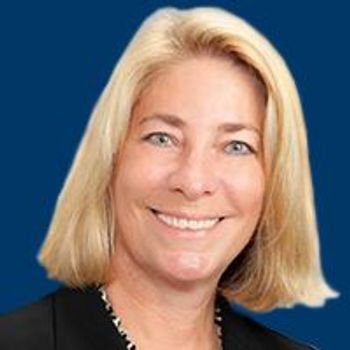
The future of therapeutic vaccines in breast cancer will be dependent on their use in combination with standard anticancer drugs, checkpoint antagonists, and distinct checkpoint inhibitors, Leisha A. Emens, MD, PhD.
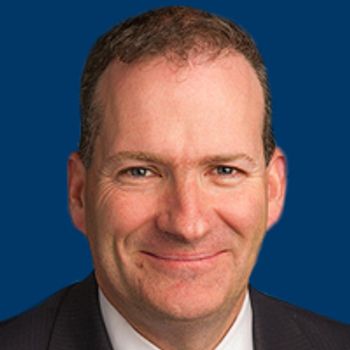
Ipatasertib plus abiraterone acetate and prednisone demonstrated a significant improvement in radiographic progression-free survival vs placebo plus abiraterone in patients with metastatic castration-resistant prostate cancer with PTEN loss, according to findings from the ongoing phase 3 IPATential150 trial now published in The Lancet.
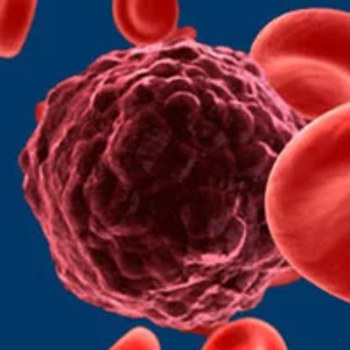
Suboptimal antibody responses to SARS-CoV-2 vaccination have been reported in patients with multiple myeloma, leaving them at a greater risk for developing severe COVID-19.
Jaffar A. Ajani, MD, and Zev A. Wainberg, MD, discuss FDA updates regarding the dosing schedule of cetuximab for metastatic colorectal cancer and the value of real-word data on clinical practice patterns in the community when administering this drug.