

Delays between biopsy and the start of induction chemotherapy, induction chemotherapy and surgery, and surgery and consolidation chemotherapy were associated with a poor prognosis in patients with localized Ewing sarcoma.

Managing Editor, OncLive®
Caroline Seymour is your initial point of contact for the OncLive® podcast, OncLive On Air™. She joined the company in 2018 as an assistant editor, with expertise in video production and print/digital publication. Email: [email protected]
Delays between biopsy and the start of induction chemotherapy, induction chemotherapy and surgery, and surgery and consolidation chemotherapy were associated with a poor prognosis in patients with localized Ewing sarcoma.
The combination of ceralasertib and olaparib induced clinical activity and was well tolerated in patients with homologous recombination deficient, recurrent platinum-sensitive, PARP inhibitor–resistant ovarian cancer.
Zev A. Wainberg, MD, and Jaffer A. Ajani, MD, discuss how to best utilize information provided to inform treatment decisions, treatment approaches for patients with newly diagnosed RAS wild-type mCRC, and factors that affect influence selecting a 2- vs 3-drug chemotherapy regimen.
Treatment with darolutamide induced a low cumulative incidence of hormone treatment–related adverse effects that was comparable to treatment with placebo in patients with nonmetastatic castration-resistant prostate cancer, according to findings from a safety analysis of the phase 3 ARAMIS trial.

The data with CDK4/6 inhibitors, PI3K inhibitors, antibody-drug conjugates, and PARP inhibitors in metastatic breast cancer continue to support their use in the clinic.

Several studies presented during the 2021 ASCO Annual Meeting highlighted the severity of racial and ethnic disparities that exist in the treatment of patients with cancer, ranging from clinical trial enrollment to routine care visits.
Jimmy Hwang, MD, discusses the frontline indications for checkpoint inhibitors in gastric cancer and their effect on subsequent treatment decisions, the growth of targeted therapy across gastrointestinal cancers, and expectations for future research and development.
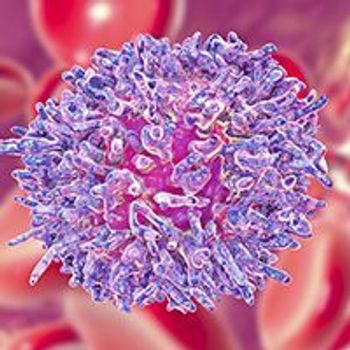
Pevonedistat demonstrated a favorable risk-benefit profile at a dose of 20 mg/m2 in combination with 75 mg/m2 of azacitidine in patients with higher-risk myelodysplastic syndromes/chronic myelomonocytic leukemia and acute myeloid leukemia.

The fixed combination of daunorubicin and cytarabine continued to demonstrate improved overall survival vs 7+3 chemotherapy in older patients with newly diagnosed high-risk or secondary acute myeloid leukemia.
Next-generation sequencing plays a critical role in the diagnosis of patients with myeloid malignancies, but it also plays a necessary role in the identification of passenger mutations and subclonal events that go beyond founding drivers.

Practice-validating trials in cervical cancer, endometrial cancer, and ovarian cancer were the focus of the 2021 ASCO Annual Meeting in gynecologic oncology, each carrying relevant implications on extended therapy, surveillance, and biomarker testing.
Streamlined processes afforded by in-house genomic testing have the potential to provide clinical, collaborative, and financial benefits.

Modified fluorouracil, oxaliplatin, and irinotecan elicited encouraging responses and an acceptable toxicity profile as a frontline treatment for patients with unresectable gallbladder cancer

Three first-in-class, SOX11 small molecule inhibitors demonstrated on-target antitumor activity in mantle cell lymphoma cell lines and in patient-derived ibrutinib-resistant models ex vivo.
Experts in lung cancer discuss advances with targeted therapies in non–small cell lung cancer, highlighting the latest and most pivotal data in the thoracic space and how the data apply to clinical practice.

The expansion of HER2-directed treatments and formulations, the availability of CDK4/6 inhibitors, and the broad activity of sacituzumab govitecan-hziy is a testament to the successful development of personalized medicine in breast cancer.

Parameswaran Venugopal, MD, discussed the toxicity profiles of BTK inhibitors regarding treatment selection in CLL.
Adjuvant nivolumab led to a significant improvement in disease-free survival compared with placebo in patients with high-risk muscle-invasive urothelial carcinoma following radical surgery, irrespective of PD-L1 expression level.

Week 24 transfusion independence was associated with an improvement in overall survival vs week 24 transfusion dependence in patients with myelofibrosis who were randomized to momelotinib in the phase 3 SIMPLIFY 1 and SIMPLIFY 2 trials.
Although circulating tumor cell analysis of patients with HER2-negative metastatic breast cancer identified patients with CTC amplification, the utility of subsequent HER2-directed treatment with trastuzumab plus vinorelbine in this patient population was low.
The combination of pembrolizumab and cabozantinib induced a response in more than half of patients with metastatic renal cell carcinoma at the recommended phase 2 dose with a manageable safety profile, meeting the primary end point of a phase 1/2 trial.

Tisagenlecleucel led to a high response rate that proved durable, along with a favorable safety profile, in patients with relapsed/refractory follicular lymphoma following treatment with at least 2 prior regimens, according to interim findings from the phase 2 ELARA trial.

Selpercatinib demonstrated evidence of preliminary efficacy and safety in pediatric patients with advanced RET-altered solid tumors.

The combination of venetoclax and fulvestrant failed to improve overall outcomes vs fulvestrant alone in patients with locally advanced or metastatic estrogen receptor–positive, HER2-negative breast cancer who had previously received a CDK4/6 inhibitor.
Brigatinib demonstrated sustained long-term responses and survival in patients with crizotinib-refractory ALK-positive non–small cell lung cancer.
The FDA has granted a breakthrough therapy designation to teclistamab for the treatment of patients with relapsed/refractory multiple myeloma.
A significant incidence of advanced neoplasia and colorectal cancer was identified in individuals between the ages of 45 and 49 years, emphasizing the importance of adhering to recent recommendations from the United Services Preventive Services Task Force to lower the CRC screening age from 50 to 45 years.
Artios Pharma, a company devoted to developing precision medicine–based treatments based on DNA damage response mechanisms, is entering into a global research collaboration with Novartis to develop next-generation DDR targets that will synergize with Novartis’ radioligand therapies.

Kanwal Raghav, MBBS, MD, discusses current sequencing approaches in metastatic colorectal cancer.
Age was associated with overall survival and the time to Richter transformation in adolescent and young adult patients with chronic lymphocytic leukemia, according to findings from a single-institutional, retrospective study.