

Germline predisposition variants associated with cancer susceptibility syndromes can underlie the genetic risk for rhabdomyosarcoma, indicating that germline testing should be performed in accordance with RMS subtypes and irrespective of age.

Managing Editor, OncLive®
Caroline Seymour is your initial point of contact for the OncLive® podcast, OncLive On Air™. She joined the company in 2018 as an assistant editor, with expertise in video production and print/digital publication. Email: cseymour@onclive.com
Germline predisposition variants associated with cancer susceptibility syndromes can underlie the genetic risk for rhabdomyosarcoma, indicating that germline testing should be performed in accordance with RMS subtypes and irrespective of age.

Clinical risk continues to guide treatment decisions in early-stage HER2-positive breast cancer. The presence of brain metastases has become a driving force for treatment selection in the metastatic setting.

Phuong L. Mai, MD, discusses the situations in which genetic testing should be considered and the importance of bridging awareness and access within oncology.

Balazs Halmos, MD, discussed differences in the management of early- vs late-stage non–small cell lung cancer and the erasure of single-modality therapy across the field.
Stephen Liu, MD, discusses some pivotal data that support the expanding reach of targeted therapy in non–small cell lung cancer.

Matthew P. Goetz, MD, discusses ongoing research in the setting of ESR1-mutant, ER–positive, HER2-negative metastatic breast cancer.

December 17, 2020 - Merck is set to build a new manufacturing facility to increase its production of TICE Bacillus Calmette–Guérin, tripling its current manufacturing capacity.

Checkpoint inhibitors have failed to improve progression-free survival and overall survival as second-line therapy and maintenance therapy in small cell lung cancer, but this class of agents continue to show encouraging activity worthy of a paradigm shift up front.

The clinical tool RSClin™, which integrates the 21-gene expression assay and clinical pathologic features, was shown to provide more prognostic information than the 21-gene recurrence score or clinical pathologic features alone and a more precise prediction of absolute chemotherapy benefit in node-negative early breast cancer.
December 10, 2020 — The combination of ipatasertib and paclitaxel failed to show a significant improvement in progression-free survival vs placebo plus paclitaxel in patients with PIK3CA/AKT1/PTEN-altered locally advanced, unresectable or metastatic triple-negative breast cancer.
The combination of alpelisib and letrozole sustained efficacy and did not result in any new safety signals in patients with PIK3CA-mutant hormone receptor–positive, HER2-negative advanced breast cancer who received prior treatment with the combination of a CDK4/6 inhibitor and fulvestrant.

The addition of chemotherapy to endocrine therapy led to an improvement in 5-year invasive disease-free survival and overall survival in premenopausal but not postmenopausal women with hormone receptor–positive, HER2-negative, lymph node–positive breast cancer and a recurrence score between 0 and 25.
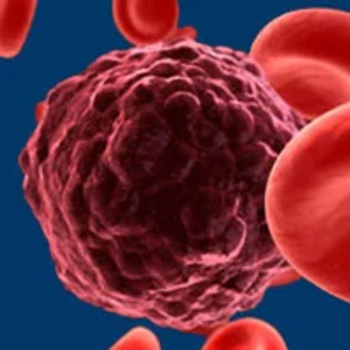
JAK2 and DNMT3A driver mutations can be acquired as early as in utero in patients with myeloproliferative neoplasms, demonstrating variable rates of clonal expansion and growth that influence the time to diagnosis.

Sabatolimab demonstrated comparable pharmacokinetic activity at doses of 200 mg every 2 weeks and 800 mg every 4 weeks in combination with hypomethylating agents in patients with acute myeloid leukemia and myelodysplastic syndrome.
December 6, 2020 — The investigational TKI asciminib was found to be a safe and effective treatment for patients with chronic myeloid leukemia without any alternatives in clinical practice, particularly those with prior TKI intolerance and those who achieved prior complete cytogenetic response.

The effector profile of the SARS-CoV-2 virus–specific T-cell therapy, ALVR109, was polyclonal, polyfunctional, and displayed cytolytic activity against viral targets without allogeneic or autologous reactivity, suggesting ALVR109 could be a safe and effective treatment for the coronavirus disease 2019.

December 4, 2020 — Adjuvant nivolumab demonstrated clinically meaningful improvements in relapse-free survival, overall survival, and distant metastasis-free survival vs placebo in patients with high-risk resected melanoma, even after accounting for disease stage and post-recurrence survival, supporting the use of the anti–PD-1 antibody as a standard adjuvant therapy.

The ability to increase the efficacy and decrease the toxicity of treatment regimens in classical Hodgkin lymphoma had stood at odds until the introduction of response-adapted treatment approaches, antibody-drug conjugates, and checkpoint inhibitors to the paradigm.
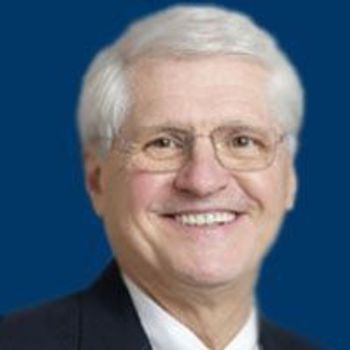
Mark G. Kris, MD, discusses the strengths of this year’s New York Lung Cancers Symposium, the advances that have been made over the past year, and potential routes forward in advancing the field of lung cancer.
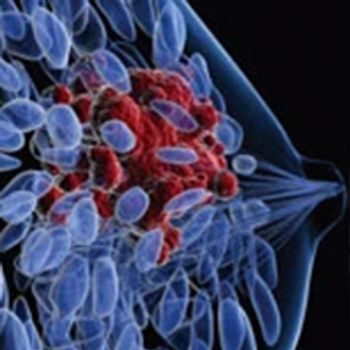
December 2, 2020 - Four pivotal trials––KATHERINE, FeDeriCa, DESTINY-Breast01, and HER2CLIMB have not only amplified the armamentarium in HER2-positive breast cancer, but have illustrated the importance of neoadjuvant therapy, alternative administration methods, high-potency HER2-targeted therapy, and inclusion of all-comers with brain metastases in clinical trials.

The availability of targeted therapy, antibody-drug conjugates, and immunotherapy necessitates greater discussions regarding second-line treatment for patients with metastatic hormone receptor–positive, HER2-negative breast cancer, third-line treatment for patients with metastatic HER2-positive breast cancer, and neoadjuvant therapy for patients with locally advanced triple-negative breast cancer.

Milind Javle, MD, provides insight into the current treatment paradigm of advanced HCC and the potential influence ongoing research regarding biomarkers of response and novel combinations could have on the field.

Alan P. Z. Skarbnik, MD, highlights how treatment decisions in mantle cell lymphoma have become more nuanced since the FDA approval of the CAR T-cell therapy brexucabtagene autoleucel in the relapsed/refractory setting.

Sotorasib was well tolerated and led to disease control in the majority of patients with heavily pretreated KRAS G12C–mutant gastrointestinal malignancies.

The noninvasive blood-based targeted methylation assay ELSA-seq identified early cancers with high specificity and provided accurate predictions of the tissue of origin.

November 17, 2020 — The 11th Annual Ruesch Center Symposium, taking place virtually on November 20 to 21, 2020, will feature sessions that span innovations in gastrointestinal cancer, advances in nuclear imaging and therapy for neuroendocrine tumors, precision oncology web educational resource, and patient symposia, bringing participants together in a forum for discussion, networking, and debate on pressing issues in the field.
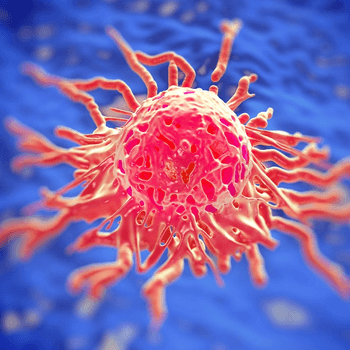
November 13, 2020 – The addition of urelumab, an anti-CD137 agonist to the GVAX vaccine and nivolumab led to a 30% pathologic response rate and was associated with mild toxicity as neoadjuvant or adjuvant therapy in patients with resectable pancreatic ductal adenocarcinoma.
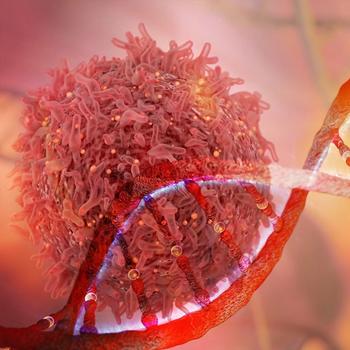
November 13, 2020 - The genetically modified herpes simplex-1 oncolytic RP2 demonstrated encouraging clinical activity and an acceptable safety profile in heavily pretreated patients with advanced solid tumors

November 12, 2020 - Cemiplimab demonstrated clinically meaningful antitumor activity, including durable responses, and acceptable safety in patients with metastatic basal cell carcinoma after progression on or intolerance to hedgehog inhibitors

November 11, 2020 - Rao Mushtaq, MD, provides perspective on these pivotal data in EGFR-mutant non–small cell lung cancer.