
Treatment with tocilizumab does not appear to inhibit the induction of anti-SARS-CoV-2 antibodies in patients with severe coronavirus disease 2019.

Managing Editor, OncLive®
Caroline Seymour is your initial point of contact for the OncLive® podcast, OncLive On Air™. She joined the company in 2018 as an assistant editor, with expertise in video production and print/digital publication. Email: [email protected]
Treatment with tocilizumab does not appear to inhibit the induction of anti-SARS-CoV-2 antibodies in patients with severe coronavirus disease 2019.
Noopur S. Raje, MD, discusses some of the most noteworthy research presented at the 2020 ASCO Virtual Scientific Program and the 2020 European Hematology Association Congress in multiple myeloma.
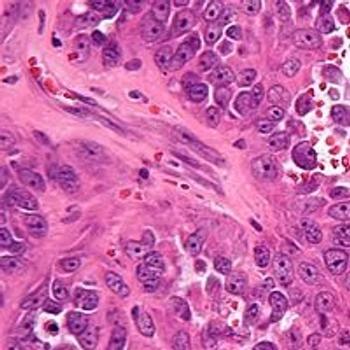
The National Comprehensive Cancer Network recently published updated Clinical Practice Guidelines in Oncology for Soft Tissue Sarcoma, listing pexidartinib as a systemic treatment for patients with tenosynovial giant cell tumor.

Charles E. Geyer, Jr, MD, discusses the state of HER2-positive breast cancer, the significance of the results of the DESTINY-Breast01 trial, and symptoms that could be an early indicator of interstitial lung disease.
William J. Gradishar, MD, discusses the activity of trastuzumab deruxtecan in patients with metastatic HER2-positive breast cancer and the importance of building experience with the drug before evaluating it in combination or moving it into earlier lines of therapy.
Despite the influx of novel agents that have received regulatory approval in recent years in stem cell disorders, there is still room for improvement.
A panel of experts in acute myeloid leukemia (AML) consider potential treatment options for patients with AML
The 2020 ASCO Virtual Scientific Program delivered a number of important updates to the field of breast cancer, explained Joyce A. O'Shaughnessy, MD.
Matthew Schabath, PhD, discusses the use of peritumoral and intratumoral radiomic features, where investigators created a model that identified patients with early-stage lung cancer at high risk of experiencing poor survival outcomes.
Paul A. Bunn, Jr, MD, discusses how fam-trastuzumab deruxtecan-nxki could provide patients with metastatic non–small cell lung cancer who harbor HER2 exon 20 insertion mutations and high HER2 expression a more specific and less toxic treatment compared with platinum doublet chemotherapy.

Irinotecan monotherapy demonstrated similar clinical activity and improved safety compared with capecitabine plus irinotecan in patients with advanced gallbladder cancer, representing a potential second-line treatment for frail patients.
Ghassan K. Abou-Alfa, MD, discusses the design and aim of the PROOF trial in advanced cholangiocarcinoma.
Liquid biopsy with circulating tumor DNA could help alleviate some of the challenges of tissue biopsy in prostate cancer, and in doing so, lead to a better precision medicine model in the field.
The combination of atezolizumab and bevacizumab demonstrated comparable clinical activity and safety versus sorafenib in older and younger patients with previously untreated, unresectable hepatocellular carcinoma.
Nathan A. Pennell, MD, PhD, discusses the significance of findings from the DESTINY-Lung01 trial in non–small cell lung cancer.
Data in Richter’s transformation, Hodgkin lymphoma, Waldenström macroglobulinemia, and indolent lymphoma were presented at the 2020 ASCO Virtual Scientific Program, and although not entirely practice changing, are deserving of attention.
The downstream effects of the coronavirus disease 2019 on patients with cancer have become apparent over the past few months, and the onus is on the field to provide clinical guidance on best practices in the absence of definitive data.
There was no shortage of exciting developments at the 2020 ASCO Virtual Scientific Program in multiple myeloma. Peter Voorhees, MD, explained all of the pivotal data in myeloma therapeutics in a virtual presentation during the 2020 ASCO Direct Highlights webcast.
A number of influential clinical trials were presented during the 2020 ASCO Virtual Scientific Program, 8 of which Stephen Liu, MD, discusses in depth in a virtual presentation during the 2020 ASCO Direct Highlights webcast.
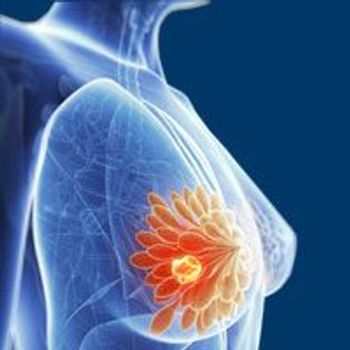
The HER2-selective TKI tucatinib (Tukysa) demonstrated potent antitumor activity alone and in combination with ado-trastuzumab emtansine (T-DM1; Kadcyla) in HER2-overexpressing breast cancer cell lines and xenograft models.
KRAS mutations are found in approximately in 25% of all NSCLC, and it was not until recently that the previously coined “undruggable target” showed signals of actionability with KRAS mutation–specific therapy, tumor-suppressor–specific therapy, and anti-inflammatory therapy.
Patients 18 to 39 years of age with early-onset cancer had a significantly high risk of harboring germline mutations, suggesting that this population should undergo germline genetic testing, irrespective of tumor type.
A panel of hematologic experts came together for a live Q/A session to discuss promising research related to common clinical complications of hematopoietic stem cell transplantation.

CPX-351 continued to showcase an overall survival benefit versus conventional 7+3 chemotherapy in patients with newly diagnosed high-risk/secondary acute myeloid leukemia.
Michael J. Morris, MD, discusses the results of the CONDOR trial and the utility of PSMA-targeted PET imaging in prostate cancer.
The combination of eprenetapopt and azacitidine led to high objective response rates and complete response rates in patients with TP53-mutated myelodysplastic syndrome and acute myeloid leukemia.
The combination of venetoclax (Venclexta) and azacitidine led to a 34% reduction in the risk of death versus azacitidine alone in treatment-naïve patients with acute myeloid leukemia who are ineligible for intensive therapy.
The novel C3 inhibitor pegcetacoplan led to a significant improvement in hemoglobin level and other clinical outcomes at week 16 versus the current standard of care, eculizumab in patients with paroxysmal nocturnal hemoglobinuria.
Rana R. McKay, MD, discusses the design and key findings of the OMNIVORE trial, as well as other ongoing adaptive trials in renal cell carcinoma.
Rana R. McKay, MD, discusses the design and key findings of the OMNIVORE trial, as well as other ongoing adaptive trials in renal cell carcinoma.