
Hui-Zi Chen, MD, PhD, discusses the use of immunotherapy in ES-SCLC and the work being done to identify mechanisms of resistance to frontline therapy.

Managing Editor, OncLive®
Caroline Seymour is your initial point of contact for the OncLive® podcast, OncLive On Air™. She joined the company in 2018 as an assistant editor, with expertise in video production and print/digital publication. Email: cseymour@onclive.com
Hui-Zi Chen, MD, PhD, discusses the use of immunotherapy in ES-SCLC and the work being done to identify mechanisms of resistance to frontline therapy.
Erin M. Bertino, MD, discusses the current treatment landscape and next steps in the EGFR-mutant NSCLC paradigm.
Eugene B. Cone, MD, discusses the advantages of the study, the need for such research, and the potential to broaden these efforts to more novel agents such as abiraterone acetate, enzalutamide, and immune checkpoint inhibitors.
Prithviraj Bose, MD, discusses the high unmet need in post-myeloproliferative neoplasms acute myeloid leukemia and the impact of findings from the phase I/II trial on current and future treatment strategies in the space.
Julie N. Graff, MD, discusses the results of the KEYNOTE-199 trial, the importance of combination strategies in metastatic castration-resistant prostate cancer, and the next phase of research for the combination.
Ghassan K. Abou-Alfa, MD, provides perspective on the accelerated approval of nivolumab and ipilimumab in advanced hepatocellular carcinoma.
Noopur S. Raje, MD, discusses the preliminary data with BCMA-directed treatment strategies in multiple myeloma.
Leonard G. Gomella, MD, discusses the state of genetic testing in prostate cancer, shares his recommendations for screening, and provides perspective on where the field is headed.
Carrie L. Langstraat, MD, discusses the role of sentinel lymph node biopsy in endometrial cancer.
Matthew S. Davids, MD, MMSc, discusses data that were presented with novel combinations in chronic lymphocytic leukemia at the 2019 ASH Annual Meeting and the importance of conducting cost-effective analyses.
Shubham Pant, MD, discusses frontline treatment selection in metastatic pancreatic cancer and shed light on some of the latest research being done in the space.
Kanwal Raghav, MBBS, MD, discusses the implications of molecular profiling on treatment decisions in metastatic colorectal cancer and the importance of referring patients to clinical trials.
Ahmed O. Kaseb, MD, discusses important considerations in the frontline treatment of patients with advanced hepatocellular carcinoma, the potential for targeted therapy in the space, and ongoing research with immunotherapy in earlier stages of disease.
The frontline treatment of patients with multiple myeloma continues to evolve with novel, multidrug regimens that are leading to higher, deeper, and more durable responses, as well as increased rates of minimal residual disease negativity.
Paul G. Richardson, MD, discusses the findings from the ICARIA-MM trial and the clinical implications of isatuximab’s FDA approval in multiple myeloma.
Michael J. Overman, MD, discusses the current treatment landscape of metastatic colorectal cancer and ongoing research efforts in the space.
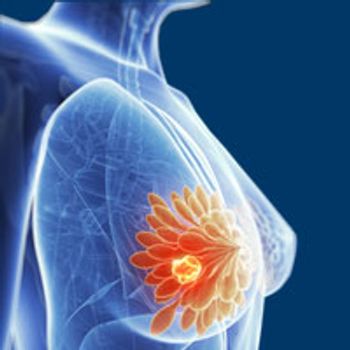
Patients with breast cancer who are ultrarapid or poor CYP2D6 metabolizers of tamoxifen have a worse prognosis compared with normal metabolizers after receiving a standard dose of the drug, due, in part, to a higher incidence of treatment-related adverse events.
Stephen J. Freedland, MD, discusses a real-world analysis of enzalutamide in patients with metastatic castration-resistant prostate cancer.
Michael Choi, MD, sheds light on the data with BTK and BCL-2 inhibitors in CLL and shares ongoing research being done with PI3K inhibitors and CAR T-cell therapy in the relapsed/refractory setting.
Alexander Leandros Lazarides, MD, discusses the need for better drug discovery models in osteosarcoma and provides insight into a new personalized medicine pipeline that has the potential to redefine drug development in the field.
Aaron Goodman, MD, discusses recent changes to the frontline treatment of patients with peripheral T-cell lymphoma and the challenges of targeting T-cell lymphoma.
Neil H. Segal, MD, PhD, discusses the current role of immunotherapy in colorectal cancer and the work being done to define its role in earlier-line settings and among patients with microsatellite stable disease.
Diego Villa, MD, MPH, discusses the benefit of bendamustine and rituximab versus R-CHOP in transplant-eligible and -ineligible patients with mantle cell lymphoma.
Neelima Denduluri, MD, sheds light on the use of genomic assays in early-stage HR-positive/HER2-negative breast cancer, as well as the agents that are prolonging survival in patients with metastatic HER2-positive disease.
Hernan Vargas, MD, FACS, discusses the criteria that are used to determine the appropriate surgical intervention for patients with node-positive breast cancer and shared questions that still need to be addressed in the space.
Ghassan K. Abou-Alfa, MD, discusses the treatment options that have emerged in advanced hepatocellular carcinoma and the work being done to determine optimal sequencing strategies.
Investigators are exploring concurrent PARP inhibition and definitive regional radiotherapy in patients with metastatic invasive cervical cancer in an ongoing phase I/II study.
Girish Putcha, MD, PhD, provides insight on the study results and highlights the advantages of using a multiomic, blood-based assay in colorectal cancer screening.
David H. Ilson, MD, PhD, discusses the treatment landscape of advanced gastric cancer and the research being done to define a role for novel agents in this space.
The foremost choice in the treatment of patients with newly diagnosed multiple myeloma is determining whether a patient is eligible for transplant, as that choice will set the stage for all future decisions.