
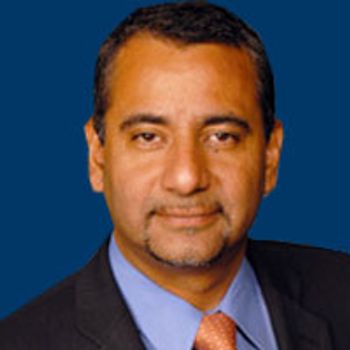
Luis E. Raez, MD, provides insight into therapies available to patients with ALK-mutant non–small cell lung cancer and underscores the role of genetic testing in informing treatment decisions.
Managing Editor, OncLive®
Caroline Seymour is your initial point of contact for the OncLive® podcast, OncLive On Air™. She joined the company in 2018 as an assistant editor, with expertise in video production and print/digital publication. Email: [email protected]
Luis E. Raez, MD, provides insight into therapies available to patients with ALK-mutant non–small cell lung cancer and underscores the role of genetic testing in informing treatment decisions.
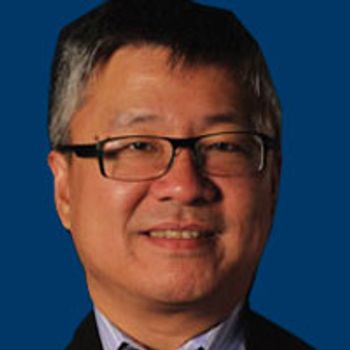
William K. Oh, MD, sheds light on how he approaches treatment in patients with metastatic hormone-sensitive prostate cancer.
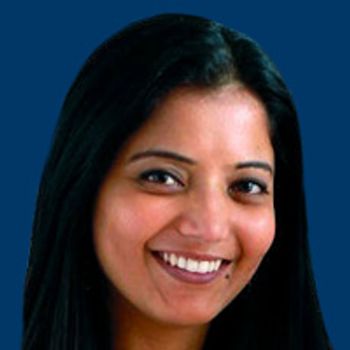
Deepu Madduri, MD, discusses the results of the CARTITUDE-1 trial and the next phase of development with JNJ-4528.
Antonio González-Martín, MD, discusses the design and findings of the PRIMA trial in advanced ovarian cancer.
Dawn L. Hershman, MD, MS, discusses current treatment considerations in premenopausal women with early-stage, hormone receptor-positive breast cancer.
Praveen Ramakrishnan, MD, spotlights some of the exciting data recently presented across the spectrum of non-Hodgkin lymphoma treatment.
Jacqueline S. Garcia, MD, discusses the design and findings of a phase II trial of navitoclax and details next steps for the BCL-XL/BCL-2 inhibitor.
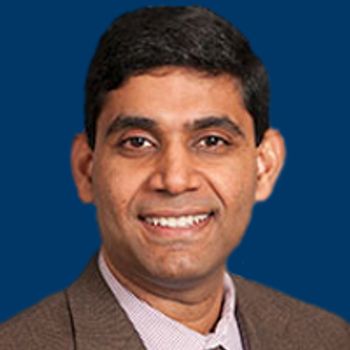
Srikanth Nagalla, MD, discusses the management of cancer-related thrombosis in myeloproliferative neoplasms, as well as updates in immune thrombocytopenic purpura.
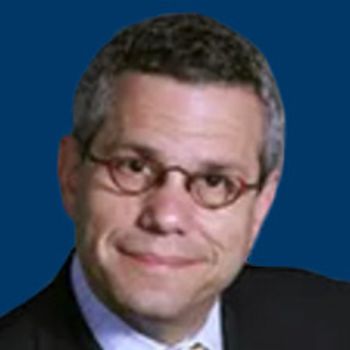
Lawrence D. Kaplan, MD, discusses standard frontline treatment in follicular lymphoma, toxicities of some of the newer agents, and preliminary data with bispecific antibodies.
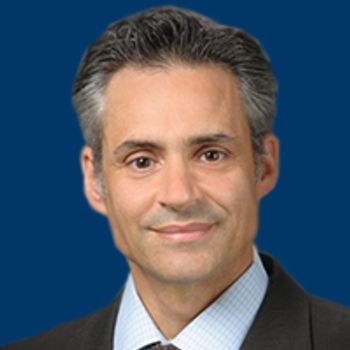
Robert L. Coleman, MD, FACOG, FACS, discusses the VELIA trial and the impact the results are going to have on the use of PARP inhibitors in ovarian cancer.
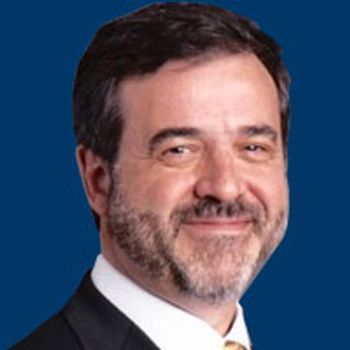
Francisco J. Esteva, MD, PhD, discusses how the use of precision medicine has helped improve the treatment of patients with breast cancer.
Narendranath Epperla, MD, MS, reflects on recent advances in Hodgkin lymphoma and non-Hodgkin lymphoma.
Francisco J. Esteva, MD, PhD, discusses the cost-saving potential of biosimilars in breast cancer and historical experience with their use.
Weiyun Z. Ai, MD, PhD, discusses some of the most pivotal advances that have been made in the fields of T-cell lymphoma and Hodgkin lymphoma in recent years.
Thomas G. Martin, MD, discusses the current treatment approaches in multiple myeloma, as well as the agents that are generating excitement in relapsed/refractory patient populations.
Saad Z. Usmani, MD, FACP, discusses the results of the CANDOR trial and the impact of these data on clinical practice in multiple myeloma.
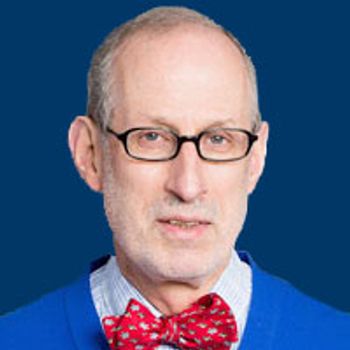
Jeffrey S. Weber, MD, PhD, discusses the activity of targeted therapy in metastatic melanoma, its adoption into the adjuvant setting, and the optimal use of immunotherapy in the space.
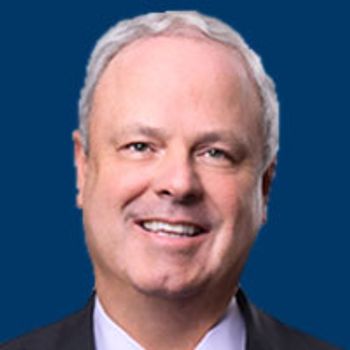
Howard A. "Skip" Burris, III, MD, FACP, FASCO, discusses the progress that has been made in metastatic triple-negative breast cancer and the work being done to broaden the utility of novel approaches.
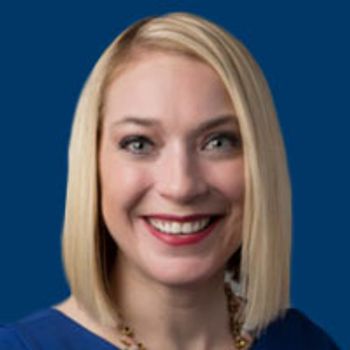
Stephanie L. Graff, MD, discusses the importance of using genomic risk to tailor treatment to patients with early-stage hormone receptor-positive, HER2-negative disease, the benefit of extended endocrine therapy, and ongoing research with CDK4/6 inhibitors and immunotherapy.
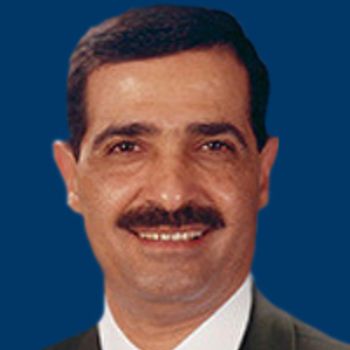
Atif Hussein, MD, discusses how the treatment of patients with hepatocellular carcinoma and cholangiocarcinoma has evolved in recent years.
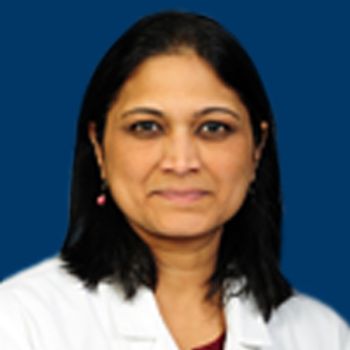
Ulka Vaishampayan, MD, discusses the historical management of patients with metastatic renal cell carcinoma and how advances with systemic therapy have impacted the sequencing of cytoreductive nephrectomy in the treatment paradigm.
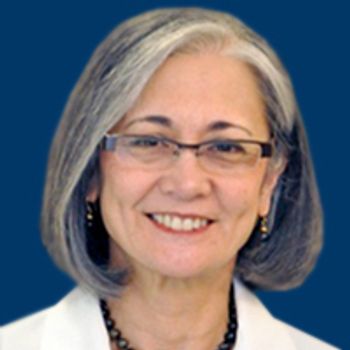
Celestia S. Higano, MD, FACP, provides perspective on data from the CARD trial and their implications on clinical practice.
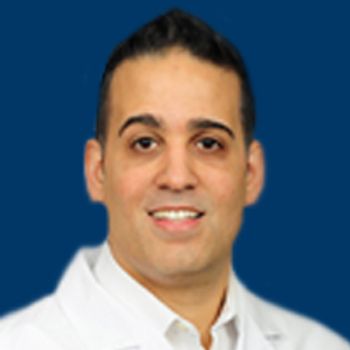
Hussein Aoun, MD, discusses the use of novel imaging modalities and contrasted them with conventional imaging tools in prostate cancer.
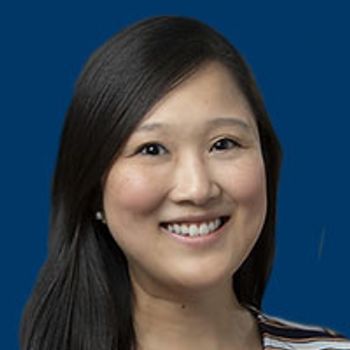
Seo-Hyun Kim, MD, discusses frontline treatment considerations in stage III and IV classical Hodgkin lymphoma and exciting combinations on the horizon.
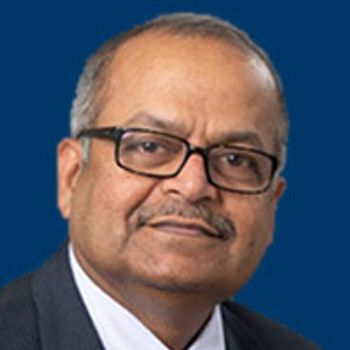
Parameswaran Venugopal, MD, discusses current and emerging treatment strategies in non-Hodgkin lymphoma.
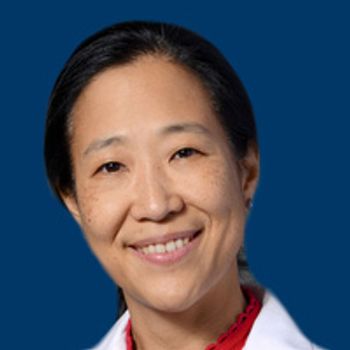
Clara Hwang, MD, discusses key trials that have shaped the current treatment paradigms of metastatic castration-sensitive prostate cancer and metastatic castration-resistant prostate cancer.
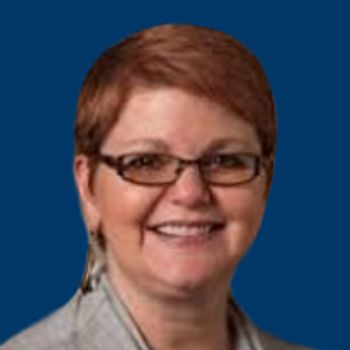
Nancy B. Davis, MD, discusses the excitement with targeted therapies as well as anticipated combination strategies under investigation in advanced urothelial cancer.
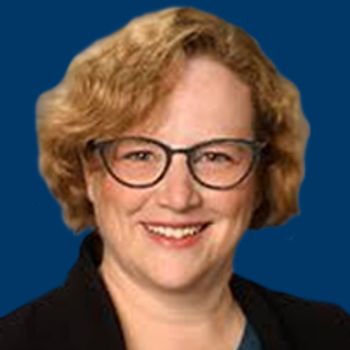
Minimal residual disease has become an important investigational prognostic marker and risk stratification tool in acute lymphoblastic leukemia.
Anthony R. Mato, MD, MSCE, discusses recent treatment advances that have been made in the frontline and relapsed/refractory settings of chronic lymphocytic leukemia.
Jeff P. Sharman, MD, discusses updated data from the ELEVATE-TN trial and ongoing research that is poised to define the optimal role of acalabrutinib in chronic lymphocytic leukemia.