
James G. Herman, MD, discusses the work that has been done to elucidate biomarkers of response to immunotherapy in non–small cell lung cancer and the necessity of molecular testing at diagnosis.

Managing Editor, OncLive®
Caroline Seymour is your initial point of contact for the OncLive® podcast, OncLive On Air™. She joined the company in 2018 as an assistant editor, with expertise in video production and print/digital publication. Email: cseymour@onclive.com
James G. Herman, MD, discusses the work that has been done to elucidate biomarkers of response to immunotherapy in non–small cell lung cancer and the necessity of molecular testing at diagnosis.
The addition of cisplatin to gemcitabine and nab-paclitaxel resulted in encouraging activity in patients with previously untreated advanced pancreatic cancer, despite not having demonstrated the prespecified number of complete responses to meet the primary endpoint of a phase Ib/II clinical trial (NCT01893801), according to findings published in JAMA Oncology.
Gretchen G. Kimmick, MD, MS, discusses the management of patients with early-stage hormone receptor–positive, HER2-negative breast cancer.
Michael Untch, MD, PhD, discusses the primary findings from the phase III KATHERINE trial and the added impact of long-term safety data regarding the use of adjuvant T-DM1 in early-stage HER2-positive breast cancer.
Lisa A. Cannon-Albright, PhD, discusses her research regarding the heredity of lung cancer, histologic subgroups at increased risk, and the implications these data have on practice.
Wallace L. Akerley, MD, discusses targeted approaches for patients with non-small cell lung cancer who harbor alterations in MET, RET, and HER2, as well as the importance of broad molecular profiling.
Ivan M. Borrello, MD, discusses the most impactful agents that have entered the relapsed/refractory setting of multiple myeloma and details some of the guiding principles of treatment selection.
Eduardo Sotomayor, MD, discusses the evolution of CAR T-cell therapy, adverse events that require careful monitoring, and novel strategies under development that may mitigate toxicity and improve T-cell persistence.
Reagan M. Street, MD, MMS, discusses the shift toward targeted treatment in advanced ovarian cancer partly brought on by PARP inhibitors and the importance of hierarchical genomic testing.
Treatment with pemigatinib resulted in a durable objective response rate in 35.5% of patients with previously treated, locally advanced or metastatic cholangiocarcinoma who harbored an FGFR2 fusion or rearrangement.

Jasmine M. Zain, MD, discusses the phase III ECHELON-2 trial and the ongoing work being done in peripheral T-cell lymphoma and other T-cell lymphomas.
Carey K. Anders, MD, discussed current approaches in the management of patients with breast cancer that has metastasized to the brain.
Miguel A. Villalona-Calero, MD, discusses the availability of ALK inhibitors for patients with ALK-positive non–small cell lung cancer and the importance of implementing sequencing panels to guide treatment.
Nivolumab monotherapy demonstrated promising activity in a small number of patients with recurrent or metastatic cervical, vaginal, and vulvar cancer.
John M. Timmerman, MD, discusses the research being conducted across the spectrum of Hodgkin and non-Hodgkin lymphoma.

Matthew G. Mei, MD, discusses current considerations in the frontline management of advanced-stage Hodgkin lymphoma as well as ongoing investigations with checkpoint inhibitors and cellular-based therapy.
Andrew D. Zelenetz, MD, PhD, discusses the use of emerging targeted therapies in mantle cell lymphoma.
Sarah M. Larson, MD, discusses trials with the potential to shift treatment strategies in the frontline and relapsed/refractory settings of multiple myeloma and remaining research questions in the field.
Serial assessment of blood-based immune markers showed that the risk of progression from monoclonal gammopathy of undetermined significance, the precursor disease to multiple myeloma is fluctuating rather than determinate, and these patients can experience progression to myeloma within 5 years.
Herbert A. Eradat, MD, explains how insight into the pathogenesis of chronic lymphocytic leukemia is leading to novel treatment strategies and shed light on unmet needs in the field.
Christopher S. Seet, MD, PhD, discusses elements of treatment discontinuation in chronic myeloid leukemia.
Patients with metastatic colorectal cancer who harbored BRAF non-V600, RAS-dependent mutations were more likely to respond to anti-EGFR therapy versus those with BRAF non-V600, RAS-independent mutations.
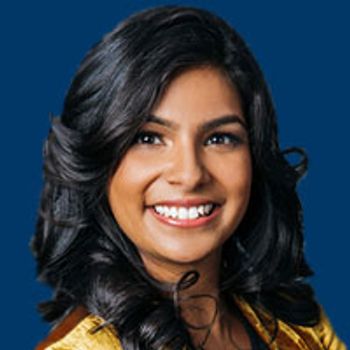
Shubhada Dhage, MD, FACS, discusses the role of surgery and other therapeutic modalities in breast cancer and explained the shift toward de-escalated treatments and less morbid surgical management strategies.
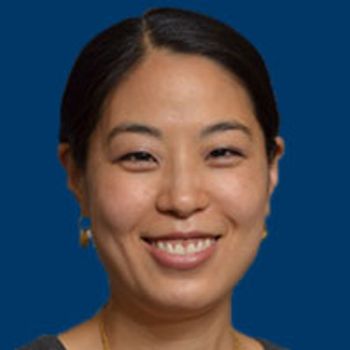
Naomi Fujioka, MD, discusses the clinical implications of the PACIFIC trial in NSCLC treatment and additional questions that are informing planned and ongoing trial designs in stage III disease.
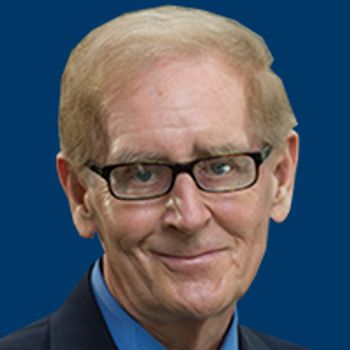
Gary H. Lyman, MD, MPH, discusses the current parameters used to develop a biosimilar, the impact these products have had in the treatment and supportive care settings, and ongoing initiatives to address remaining challenges.
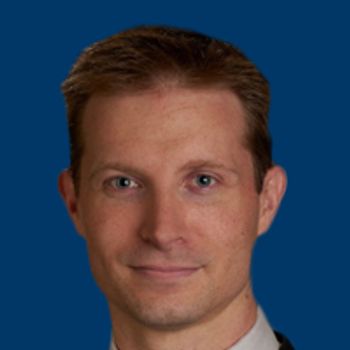
Joshua P. Sasine, MD, PhD, spotlights some of the strategies under investigation to improve the safety and efficacy of CAR T-cell therapy in hematologic malignancies.

Tanya Siddiqi, MD, discusses the novel agents that have emerged in the treatment paradigm for patients with chronic lymphocytic leukemia.

Nina D’Abreo, MD, explains how treatment is being tailored to women with early-stage, HR-positive, HER2-negative breast cancer.
Two distinct subtypes of nonfunctional pancreatic neuroendocrine tumors could help prognosticate risk of recurrence following surgery.
Lee S. Schwartzberg, MD, discusses the mission of OneOncology as well as the work that is being done to bring biosimilars to the market.