
Ernest S. Han, MD, PhD, FACOG, discusses the role of HIPEC in advanced ovarian cancer at the time of interval debulking, as well as anticipated research examining its use at time of primary debulking.
Managing Editor, OncLive®
Caroline Seymour is your initial point of contact for the OncLive® podcast, OncLive On Air™. She joined the company in 2018 as an assistant editor, with expertise in video production and print/digital publication. Email: cseymour@onclive.com
Ernest S. Han, MD, PhD, FACOG, discusses the role of HIPEC in advanced ovarian cancer at the time of interval debulking, as well as anticipated research examining its use at time of primary debulking.
Sai-Hong I. Ou, MD, PhD, discusses the status of different mutations in lung cancer and the work being done to bring clinically meaningful treatments to the space.
Sai-Hong I. Ou, MD, highlights the conveniences of liquid biopsies relative to tissue biopsies, as well as current drawbacks to their use in detecting targetable alterations in lung cancer.
Lyudmila A. Bazhenova, MD, discusses the phase III PACIFIC trial and clinical scenarios that warrant further investigation in the field of stage III non–small cell lung cancer.
Bing Xia, MD, discusses the latest immunotherapy developments in nonsquamous non–small cell lung cancer, as well as sequencing strategies for patients with ALK-positive disease.
Preclinical data suggest that the small molecule IACS-10759, which targets the oxidative phosphorylation (OXPHOS) and glutaminolysis pathways, may play a critical role in overcoming resistance to ibrutinib (Imbruvica) in mantle cell lymphoma.
Danielle M. Brander, MD, discusses the investigational combination treatments that are bringing patients with chronic lymphocytic leukemia one step closer to well-tolerated, time-limited therapy.
Viola W. Zhu, MD, PhD, explains how the use of immunotherapy has improved survival for patients with advanced squamous cell non–small cell lung cancer.
Lyudmila A. Bazhenova, MD, sheds light on initial treatment approaches for patients with EGFR-mutant NSCLC and adapted therapeutic strategies at the time of progression.
Bassel El-Rayes, MD, further discusses the role of locoregional approaches in borderline and unresectable patients with metastatic colorectal cancer.
Atish D. Choudhury, MD, PhD, details the advances in metastatic prostate cancer in light of updated analyses from several clinical trials and forthcoming research in the field.
Joanne Mortimer, MD, discusses key facets of treatment for patients with early and metastatic HER2-positive breast cancer.
Lyndsey Runaas, MD, discusses the newfound outlook for patients with FLT3- and IDH1/2-mutant acute myeloid leukemia given recent regulatory approvals and trial data.
A vaccine targeting GUCY2C, a commonly overexpressed protein in patients with early-stage colorectal cancer, induced antibody and T-cell responses toward the specified target and demonstrated an acceptable safety profile in this patient population
Laura Kruper, MD, MS, discusses outstanding questions within the context of the current management of the axilla.
Martin Dietrich, MD, PhD, discusses ways of offsetting neratinib-associated diarrhea for patients with early-stage HER2-positive breast cancer at high risk of recurrence in need of extended adjuvant therapy.
Yuan Yuan, MD, PhD, discusses how treating physicians are optimizing novel agents for patients with metastatic triple-negative breast cancer.
The rationale for frontline chemoimmunotherapy in stage IV nonsquamous non–small cell lung cancer, now made evident by several phase III trials, stems from its synergistic activity, stimulatory effects on neoantigens, and tolerable safety profile.
Eric S. Winer, MD, highlights the targeted therapies that have made the biggest clinical impact for patients with acute myeloid leukemia.
Although TKIs have significantly improved life expectancy for patients with chronic myeloid leukemia, investigators are actively examining ways to safely discontinue treatment without sacrificing benefit.
Christine N. Duncan, MD, discusses the current components of CAR T-cell therapy in pediatric acute lymphoblastic leukemia.
Kartik Konduri, MD, discusses the use of combination therapies and newer agents in patients with targetable driver mutations.
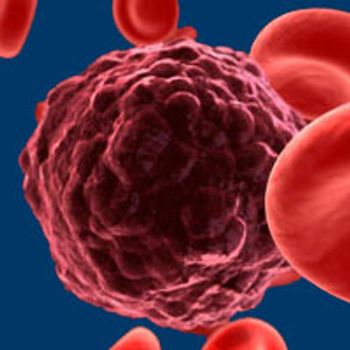
Clinical outcomes were found to be consistent among transplant-eligible patients with mantle cell lymphoma, irrespective of the chemoimmunotherapy induction regimen that was administered.
David P. Mason, MD, discusses the available treatment approaches for patients with locally advanced non–small cell lung cancer.
Matthew S. Davids, MD, MMSc, discusses recent shifts in the chronic lymphocytic leukemia paradigm with the use of novel therapies and the need to increase personalized treatment with these agents.
Giada Bianchi, MD, discusses the scope of frontline therapy and subsequent maintenance strategies among patients with transplant eligible and ineligible newly diagnosed multiple myeloma.
Mariana Chavez Mac Gregor, MD, MSc, discussex recent shifts in the treatment of patients with metastatic triple-negative breast cancer.
Although biological criteria carry prognostic value in mantle cell lymphoma, initial observation based solely on clinical criteria was found to be an effective management strategy that did not compromise patient outcomes.
Cindy Osborne, MD, highlights the many advances that have been made in the treatment paradigms of locally advanced and metastatic HER2-positive breast cancer.
Joyce A. O’Shaughnessy, MD, discusses the clinical implications of the TEXT and SOFT trials for women with premenopausal HR-positive, HER2-negative breast cancer, as well as unanswered questions that remain with adjuvant endocrine therapy.