
Patients with newly diagnosed mantle cell lymphoma who were 65 years of age or older had worse progression-free survival and overall survival at 1 and 2 years compared with patients under the age of 65 years.

Managing Editor, OncLive®
Caroline Seymour is your initial point of contact for the OncLive® podcast, OncLive On Air™. She joined the company in 2018 as an assistant editor, with expertise in video production and print/digital publication. Email: [email protected]
Patients with newly diagnosed mantle cell lymphoma who were 65 years of age or older had worse progression-free survival and overall survival at 1 and 2 years compared with patients under the age of 65 years.
Communication and education of a patient with lung cancer and their family is only part of a nurse practitioner’s responsibility. Moreover, they often represent the primary point of contact for a patient when it comes to their diagnostic workup, treatment follow-up, and symptom management.
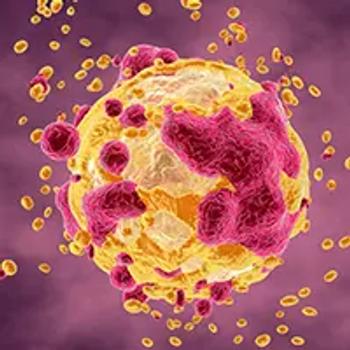
Patient Reported Outcomes Measurement Information System scoring indicated that preoperative and postoperative radiation therapy was associated with worse anxiety and physical function in patients with soft tissue sarcoma who had resulting wound complications compared with those who did not.

The combination of atezolizumab and cabozantinib elicited encouraging responses, marked by an unprecedented disease control rate, in previously treated patients with locally advanced or metastatic castration-resistant prostate cancer, but most strikingly in patients with high-risk features.

Spanning metastatic non–small cell lung cancer, castration-resistant prostate cancer, and HER2-low breast cancer, here are 4 must-know clinical trials in Tennessee that community oncologists can now enroll their patients on.
Efforts to move beyond chemotherapy alone for patients with advanced urothelial cancer, shift effective treatments into the curative setting in renal cell carcinoma, and effectively escalate treatment for patients with high-risk and high-volume prostate cancer have been successfully met.
Selective estrogen receptor degraders and antibody-drug conjugates are not only broadening the armamentarium in breast cancer but are demonstrating increasing utility across subtypes and in underserved populations, such as those with HER2-low disease, explained Erika P. Hamilton, MD.
Sumit K. Subudhi, MD, PhD, discusses the treatment of patients with nonmetastatic castration-resistant prostate cancer, as well as those with metastatic castration-naïve, hormone-sensitive, and castration-resistant prostate cancer.

MSH3 immunohistochemistry and tetranucleotide analysis failed to demonstrate concordance in identifying microsatellite instability in a cohort of colorectal cancer cases at selected tetranucleotide repeats, suggesting that the dual assessment strategy is not ready for routine use in diagnostic workup.

Sandip P. Patel, MD, discussed the real-world application of the phase 3 PACIFIC trial in unresectable stage III non–small cell lung cancer.
The sustainability of next-generation sequencing will be dependent on the implementation of thorough informatics and infrastructure that can support the integration of genomic results into electronic medical records.
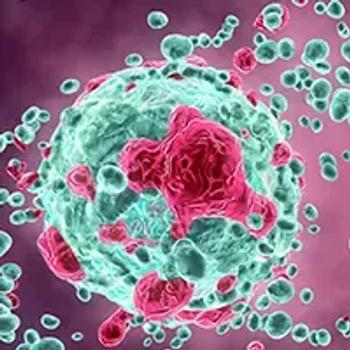
Soft tissue sarcoma was the primary cause of death in patients over the age of 75 years, indicating that age alone should not be a prohibitive factor for treatment in older patients, according to findings from a retrospective analysis that was presented at the 2021 ESMO Congress.
Martin F. Dietrich, MD, PhD, discusses the significance of the PACIFIC trial on clinical practice and research efforts in stage III non–small cell lung cancer, expectations for ongoing clinical trials, and the emergence of targeted therapy in the adjuvant setting
Rovalpituzumab tesirine failed to show an efficacy or safety benefit as a frontline, maintenance, and second-line treatment for patients with advanced small cell lung cancer, warranting its discontinued development.
Cabozantinib demonstrated a sustained benefit in progression-free survival vs placebo in patients with previously treated, radioactive iodine–refractory differentiated thyroid cancer, regardless of prior exposure to sorafenib or lenvatinib.
Jubilee Brown, MD, contextualizes updates in endometrial cancer and cervical cancer, frontline and second-line maintenance, and novel immune-oncology combination strategies in ovarian cancer.

Clinical trial enrollments underwent a substantial decrease during the first year of the COVID-19 pandemic only to rebound during the winter 2020 to 2021 wave, and primarily affected enrollment to cancer control and prevention trials vs treatment trials.

The availability of targeted agents for patients with advanced non–small cell lung cancer who harbor mutations in EGFR, RET, MET, and KRAS has not only led to improved outcomes, but provided greater flexibility for treatment-naïve and pretreated populations, with the possibility of enhanced intracranial activity.

Treatment with CD19-22.BB.z-CAR, a bispecific CAR T-cell therapy targeting CD19 and CD22, elicited high response rates and was well tolerated in adult patients with relapsed/refractory, CD19-positive B-cell acute lymphoblastic leukemia and large B-cell lymphoma.
Fam-trastuzumab deruxtecan-nxki led to improved responses in patients with higher HER2 expression at baseline, whereas responses were seen irrespective of RAS- and PIK3CA mutation status and blood tumor mutational burden levels in patients with HER2-positive, metastatic colorectal cancer.
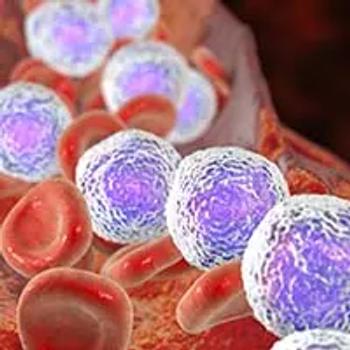
A genome-wide look into changes in three-dimensional chromatin organization between ibrutinib-resistant and parental chronic lymphocytic leukemia cells illustrated the involvement of PAK1 as an oncogenic driver in CLL.

Tisotumab vedotin elicited significant responses without prohibitive toxicity in combination with carboplatin as frontline therapy, as well as in combination with pembrolizumab as second- or third-line therapy in patients with recurrent or metastatic cervical cancer.
CRISPR/Cas9 and mRNA-based gene editing and expression was found to be feasible in evaluating primary chronic lymphocytic leukemia cells.
Current approaches to precision medicine in oncology have been fruitful, but require better integration and utilization of available resources to inform sustainable and effective drug development and clinical care, according to Andre Goy, MD.
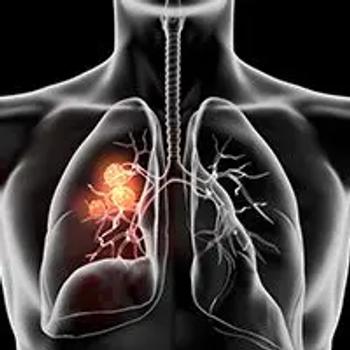
Mobocertinib displayed a manageable safety profile across 40-mg, 120-mg, and 160-mg dose cohorts in Japanese patients with non–small cell lung cancer, which, when coupled with pharmacokinetic analysis, led to the determination of 160 mg as the maximum tolerated dose and recommended phase 2 dose for further study in this population.

Sitting at the forefront of clinical development, pirtobrutinib and lisocabtagene maraleucel have generated significant enthusiasm in chronic lymphocytic leukemia.
David J. Feller-Kopman, MD, discusses the imperative role of the pulmonologist in the screening and management of lung cancer.

Approximately 20% of patients with malignant pleural mesothelioma were diagnosed with COVID-19 during the first year of the pandemic at the Vall d’Hebron University Hospital, leading to a high hospitalization and mortality rate.

The European Association of Neuro-Oncology and ESMO have released clinical practice guidelines, which provide management recommendations for the diagnosis, treatment, and follow-up of patients with solid tumor brain metastases.
The combination of pembrolizumab and lenvatinib led to a statistically significant improvement in progression-free survival and overall survival in patients with mismatch repair deficient advanced endometrial cancer following platinum-based chemotherapy.