
Melanie Majure, MD, discusses the optimal role chemotherapy for patients with TNBC and the importance of achieving a pCR.
Melanie Majure, MD, discusses the optimal role chemotherapy for patients with TNBC and the importance of achieving a pCR.
Elizabeth Plimack, MD, discusses the impact of the immunotherapy approvals in the first- and second-line setting for bladder cancer and the future of combinations for these patients.
Petros Grivas, MD, shares insight on the value of combining immunotherapy regimens in the treatment of patients with urothelial carcinoma.
Jacqueline Claudia Barrientos, MD, discusses the appropriate treatment strategies for elderly patients with chronic lymphocytic leukemia.
Susan R. Rheingold, MD, discusses the impact of CAR T-cell therapy on patients with ALL and options for patients who relapse on treatment.

Lajos Pusztai, MD, discusses neoadjuvant and adjuvant treatment decisions for patients with HER2-positive breast cancer, as well as the potential of immunotherapy in the metastatic setting.
A. David McCollum, MD, discusses the optimal management of CRC in the first-line setting and the ongoing research with checkpoint inhibitors designed to benefit larger groups of patients.
Carlos Becerra, MD, discusses the current management and emerging therapies for patients with pancreatic cancer.
George R. Blumenschein, MD, discusses the current treatment landscape for patients with squamous cell lung cancer.
Jonathan Warner, MD, discusses the evolving role of surgery and radiation therapy in the treatment landscape for patients with prostate cancer.
Jacqueline Claudia Barrientos, MD, discusses emerging treatment options in CLL.
Johanna Bendell, MD, discusses the current and emerging treatment landscape of immunotherapy for patients with CRC.
Mathieu Lupien, MD, discusses this analysis of the influence of mutations on the epigenetics of prostate cancer.

E. David Crawford, MD, discusses the controversy surrounding the Prostate, Lung, Colorectal, and Ovarian Cancer Screening Trial, as well as the role of prostate-specific antigen testing for men with prostate cancer.
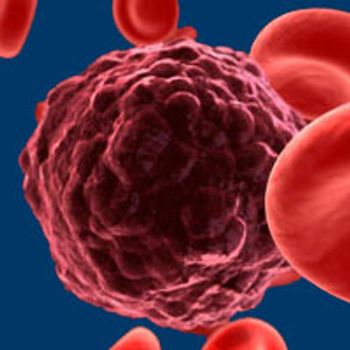
Adam Waxman, MD, discusses emerging regimens for patients with multiple myeloma.
Alfred L. Garfall, MD, MS, discussed the treatment and management of patients with multiple myeloma, with a focus on maintenance therapy, CAR T-cell therapy, and the role of transplant.
Michael A. Postow, MD, discusses the impressive efficacy seen with combining BRAF and MEK inhibitors for patients with melanoma.
Elizabeth A. Mittendorf, MD, PhD, discusses the evolving neoadjuvant treatment landscape and other developments in the field of HER2-postive breast cancer.

Gregory Daniels, MD, PhD, discusses the current treatment landscape of thyroid cancer and the development of immunotherapy for patients with this disease.
Alice Mims, MD, provides updates on the field of myeloproliferative neoplasms, with a focus on myelofibrosis.
Ezra Cohen, MD, discusses the role of immunotherapy, the potential of entrectinib, and the importance of multidisciplinary teams for the treatment of patients with head and neck cancer.
Erika P. Hamilton, MD, discusses the current treatment landscape for patients with HER2-positive breast cancer.
Daniel Zandberg, MD, discusses results from the HAWK study as well as current combination approaches for patients with head and neck cancer.

Dmitriy Zamarin, MD, PhD, discusses the role of immunotherapy for patients with gynecologic malignancies.
The combination of nivolumab and ipilimumab showed an intracranial response rate of 46% for asymptomatic patients with melanoma brain metastases who had not received prior local therapy to the brain.

Immunotherapy has led a transformation for melanoma care but combinations of anti–PD-1 and CTLA-4 agents are toxic and biomarkers are not available to help personalized treatment, calling for further research into less toxic and more effective options.
While chemotherapy has historically been used to treat patients with Merkel cell carcinoma, immunotherapy advances have infused new hope into the treatment landscape.

Narendranath Epperla, MD, discusses the evolving treatment landscape for patients with follicular lymphoma and mantle cell lymphoma.
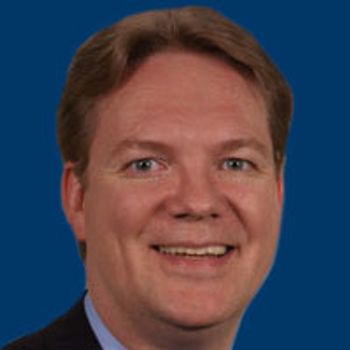
The use of intralesional therapies in combination with checkpoint inhibitors has shown to be an improvement to monotherapy and combinations with immunotherapy in melanoma.
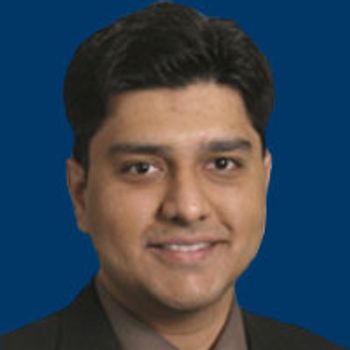
Farrukh Awan, MD, discusses novel agents and combinations in CLL, as well as the critical importance of FISH and IGHV testing for patient selection in this population.