

Ingfrid Haldorsen, MD, discusses the role of imaging in the diagnosis of patients with endometrial cancer.
Ingfrid Haldorsen, MD, discusses the role of imaging in the diagnosis of patients with endometrial cancer.

Xavier Bosch, MD, discusses a second-generation vaccination against HPV for the prevention of cervical cancer.
Rana R. McKay, MD, discusses the evolving management of patients with advanced RCC, specifically the future of combinations of with immunotherapy regimens.
Ruben A. Mesa, MD, discusses the significance of the RESPONSE study for patients with polycythemia vera.

David H. Ilson, MD, PhD, discusses practice-changing trials, the optimal available therapies, and how immunotherapy fits into the future treatment paradigm for gastric cancer.

Eileen O’Reilly, MD, discusses novel therapeutic approaches for the treatment of patients with pancreatic cancer.

Aleix Prat, MD, PhD, discusses the novel treatments being developed in the paradigm of HER2-positive breast cancer.
Aaron Logan, MD, PhD, discusses the most promising combinations and available treatments for patients with chronic lymphocytic leukemia.
Nancy E. Kemeny, MD, discusses the combination of pump and systemic therapy as a liver-directed treatment option for patients with metastatic colorectal cancer.
Diane Reidy-Lagunes, MD, discusses ongoing developments for the treatment of patients with gastrointestinal and pancreatic NETs.
Adam M. Brufsky, MD, PhD, discusses the developing role of pertuzumab in HER2-positive breast cancer, as well as the impact of other agents in the field.
Luis A. Diaz, MD, discusses the precision medicine approaches available and in development for the treatment of patients with GI malignancies.
Jared Weiss, MD, discusses utilizing liquid biopsies for patients with lung cancer, the pros and cons of the approach, and when it might be appropriate to rebiopsy patients.
Kathryn F. Mileham, MD, discusses the development of biomarker testing for patients with mutated non-small cell lung cancer.

Daniel E. Haggstrom, MD, discusses the developing area of immunotherapy combinations for patients with non-small cell lung cancer.
Erika P. Hamilton, MD, discusses recent FDA approvals in the treatment paradigm of HER2-positive breast cancer.
Shirley Michelle Shiller, DO, discusses progress with precision medicine for patients with gastrointestinal cancers.
Alicia Morgan, MD, discusses the role of PARP inhibitors as a novel treatment strategy for patients with metastatic castration-resistant prostate cancer.
Arjun Balar, MD, discusses novel immunotherapy combinations for the treatment of patients with bladder cancer.
Joseph A. Califano, MD, discusses how surgery factors into modern multidisciplinary care for patients with head and neck cancer.

Mothaffar Fahed Rimawi, MD, discusses the significance of precision medicine in HER2-positive breast cancer, as well as the possible role of immunotherapy for this specific population.

John Heinzerling, MD, discusses the impact of durvalumab and other developments in the treatment of patients with stage III non-small cell lung cancer.
Ferdinandos Skoulidis, MD, PhD, discusses potential treatment options for KRAS-mutated lung cancer and highlighted developments in biomarker research in other areas in the field.
Richard Furman, MD, discusses the current management of chronic lymphocytic leukemia and the future of combinations, including venetoclax and ibrutinib, for this patient population.
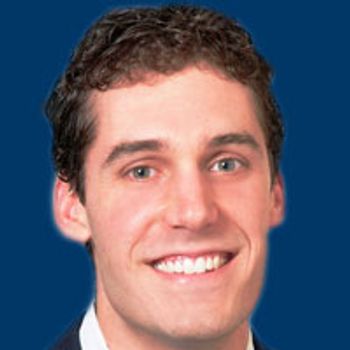
Michael A. Postow, MD, discusses the evolution of combination therapies for patients with melanoma.

Hans Hammers, MD, PhD, discusses the game-changing combination of nivolumab and ipilimumab and highlighted other combinations that have potential in the treatment of patients with renal cell carcinoma.
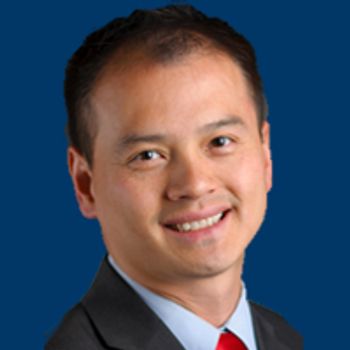
Vincent K. Lam, MD, discusses the treatment paradigm for patients with ALK/ROS1-translocated NSCLC.
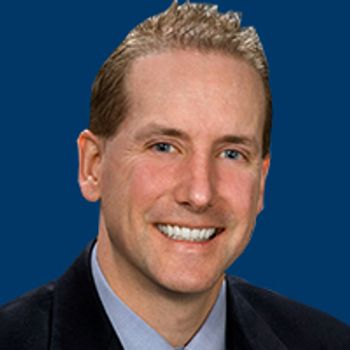
Jerry W. Mitchell, MD, discusses the use of medical marijuana as a chronic pain relief for patients with hematologic malignancies ad other tumor types.

George R. Simon, MD, discusses the advancements being made with immunotherapy for the treatment of NSCLC.
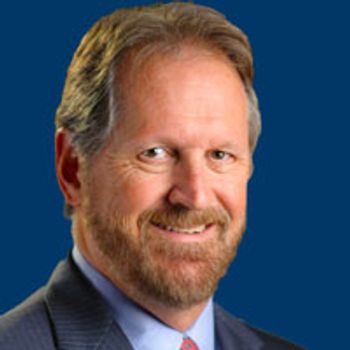
Frank E. Mott, MD, discusses optimal treatment selection strategies for patients with NSCLC.