
Stephan Grupp, MD, PhD, discusses the phase II ELIANA study results and the next steps with chimeric antigen receptor T-cell therapy in acute lymphoblastic leukemia.
Stephan Grupp, MD, PhD, discusses the phase II ELIANA study results and the next steps with chimeric antigen receptor T-cell therapy in acute lymphoblastic leukemia.
John E. Mullinax, MD, discusses isolated limb infusion as a limb salvage strategy for locally advanced extremity sarcoma.
Ann Marie Beddoe, MD, discusses a study implementing cervical cancer screening and highlights HPV predictors in developing countries.
David M. Gershenson, MD, discusses the results for a retrospective study of patients with stage II to IV low-grade serous carcinoma of the ovary or peritoneum and the next steps going forward.
Leonard Gomella, MD, discusses the current state and critical next steps for optimizing genetic testing in prostate cancer.

Dmitriy Zamarin, MD, PhD, discusses the current state of immunotherapy in gynecologic cancers and necessary next steps for advancement in these diseases.
Daniel Petrylak, MD, discusses the significance of genetics in the future of prostate cancer care and highlights emerging treatments and challenges in the field.
Sagar Lonial, MD, discusses recent advances that have revolutionized the treatment of patients with multiple myeloma.
Leo I. Gordon MD, discusses results from the TRANSCEND trial and the next steps with chimeric antigen receptor T-cell therapy in non-Hodgkin lymphoma.
Arturo Loaiza-Bonilla, MD, discusses the potential role of BRAF and CTNNB1 mutations in the survival difference between colorectal cancer patients with left- and right-sided tumors.
Jonathan Strosberg, MD, discusses the overall findings of the NETTER-1 trial and the quality of life analysis in patients with midgut neuroendocrine tumors.
The University of Pennsylvania took a multidisciplinary team to Botswana to implement an approach to bring treatment to patients with cervical cancer in a more efficient and conducive way.
Single-agent ibrutinib induced a response rate of 90% at a median follow-up of 18.1 months in rituximab-refractory patients with Waldenstrom macroglobulinemia, according to results from an open-label substudy of the ongoing phase III iNNOVATE trial published in The Lancet Oncology.
Michael J. Morris, MD, discusses a phase I/II trial in which the combination of radium-223 (Xofigo) and docetaxel had a greater effect than docetaxel alone on bone biomarkers in patients with bone-metastatic castration-resistant prostate cancer.
Carey Anders, MD, discusses available and emerging treatment options for patients with breast cancer that has metastasized to the brain.
William K. Oh, MD, discusses the continued use of chemotherapy in patients with metastatic castration-resistant prostate cancer.
Researchers hope the acquired ibrutinib resistance mutations BTK and PLCG2 can be used as biomarkers for early intervention opportunities in patients with chronic lymphocytic leukemia.
Brian Van Tine, MD, PhD, discusses the potential of the investigational compound 5-imino-13-deoxydoxorubicin (GPX-150) in metastatic and nonresectable soft tissue sarcoma.
Matthew I. Milowsky, MD, discusses advances with checkpoint inhibitors in the treatment paradigm for urothelial cancer.
Jonathan Strosberg, MD, discusses the latest results from the NETTER-1 trial in midgut neuroendocrine tumors.
Gregory T. Wolf, MD, discusses a novel approach to treating patients with advanced laryngeal cancer.
Markus Albertsmeier, MD, discusses the results of the meta-analysis and the implications going forward for the treatment of patients with soft tissue sarcoma.
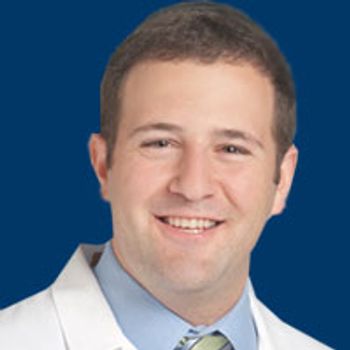
The findings from the phase II study of intermittent sunitinib in patients with previously untreated metastatic renal cell carcinoma demonstrate that periodic extended sunitinib treatment breaks are feasible and the clinical efficacy does not seem to be compromised.
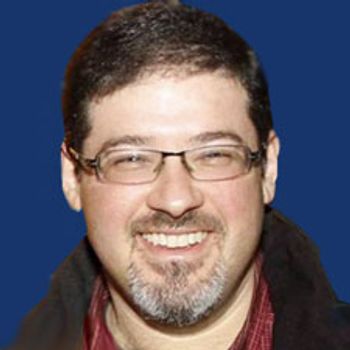
H. Jack West, MD, discusses the benefits of EGFR tyrosine kinase inhibitors in non–small cell lung cancer, challenges with determining optimal sequencing, and potential combinations on the horizon.
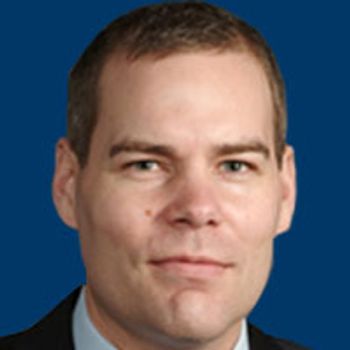
Peter Martin, MD, discusses the efficacy of a combination regimen of ibrutinib and palbociclib in the treatment of patients with mantle cell lymphoma.
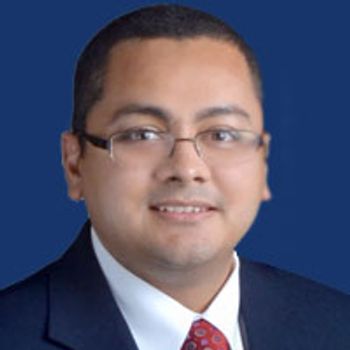
Saad Z. Usmani, MD, discusses the latest developments with daratumumab in the treatment of patients with multiple myeloma, many of which were presented at the recent 2016 ASH Annual Meeting.
Elizabeth Plimack, MD, discusses updated data from the pivotal CheckMate-025 trial, which compared the use of nivolumab with everolimus in the treatment of patients with metastatic renal cell carcinoma.
David Albala, MD, discusses the uses and benefits of robotic urological surgery in prostate cancer, as well as methods to achieve better physician compliance.
Franco M. Muggia, MD, discusses the results of the Gynecologic Oncology Group (GOG) 252 trial and what the findings mean regarding intraperitoneal therapy for patients with ovarian cancer.
David F. McDermott, MD, discusses ongoing efforts to improve outcomes in advanced renal cell carcinoma through combination anti–VEGF/PD-1 regimens.